Get and manage Deeds of Trust Forms online

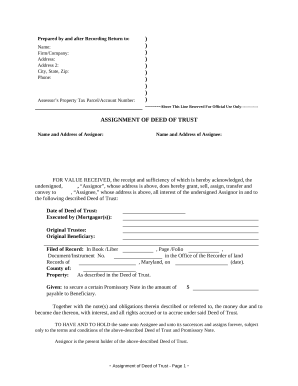
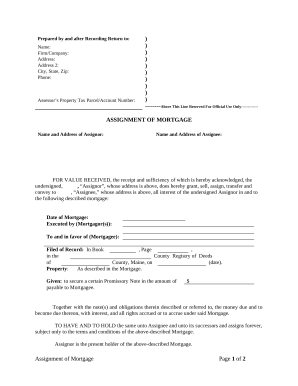
Accelerate your file managing using our Deeds of Trust Forms collection with ready-made templates that meet your needs. Access the document template, edit it, complete it, and share it with your contributors without breaking a sweat. Begin working more effectively together with your forms.

The best way to manage our Deeds of Trust Forms:

  1. Open our Deeds of Trust Forms and find the form you need.
  2. Preview your document to ensure it’s what you want, and click Get Form to begin working on it.
  3. Alter, include new text, or point out important information with DocHub features.
  4. Prepare your form and preserve the changes.
  5. Download or share your document template with other recipients.

Examine all of the opportunities for your online document management using our Deeds of Trust Forms. Get a totally free DocHub account today!


Video Guide on Deeds of Trust Forms management

video background

Commonly Asked Questions about Deeds of Trust Forms

Lets explore these drawbacks in detail. Loss of Direct Ownership. One disadvantage of placing your house in a trust is the loss of direct ownership. Potential Complexity and Administrative Burden. Potential for Increased Costs. No Asset Protection Benefits. Limited Tax Advantages. No Protection Against Creditors.
What Is Included in a Trust Deed? The identities of the borrower, lender, and trustee. A full description of the property to be placed in trust. Any restrictions or requirements on the use of the property while it is in trust. The terms of the loan, including principal, monthly payments, and interest rate.
Disadvantages of a trust deed If you do not cooperate with the trustee, they can try to make you bankrupt. You cannot continue to be the director of a limited company unless your trustee agrees and unless the rules of the limited company allow you to enter into a trust deed.
Your Assets Might Not Be Protected: Another crucial point to note is that not all trusts offer protection from creditors. For instance, in revocable trusts, the assets are not protected from creditors as the grantor retains control of the assets. Potential Tax Burdens: Finally, trusts can carry potential tax burdens.
An instrument that transfers legal title in real property to a trustee to hold as security for a loan made by a lender to a borrower. The borrower retains equitable title to the real property. A deed of trust typically involves three parties: The borrower (the trustor or grantor). The beneficiary (the lender).
In a Trust Deed, what happens to my bank account? If you do not owe your existing bank any money it is unlikely you would need to change banks. However, if you have an overdraft or other debt with your bank then you will need change banks and arrange for your salary/wages to be paid into a new account.
Draft a Trust Deed Your trust deed should clearly specify the beneficiaries, distribution rules, and trustees powers and responsibilities. Consult with an expert trust and estate attorney to draft a comprehensive deed that complies with Albertas legal requirements.
Rich people frequently place their homes and other financial assets in trusts to reduce taxes and give their wealth to their beneficiaries. They may also do this to protect their property from divorce proceedings and frivolous lawsuits.