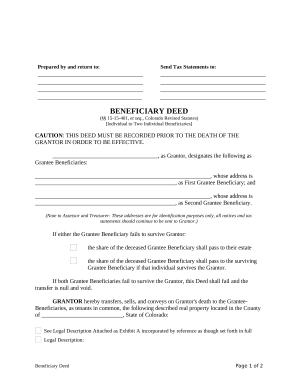
Manage Colorado Real Estate Documents quickly online

Document management can overwhelm you when you can’t find all the forms you require. Luckily, with DocHub's considerable form library, you can get everything you need and swiftly take care of it without the need of switching among apps. Get our Colorado Real Estate Documents and begin working with them.

How to use our Colorado Real Estate Documents using these easy steps:

  1. Browse Colorado Real Estate Documents and select the form you require.
  2. Review the template and then click Get Form.
  3. Wait for it to upload in our online editor.
  4. Adjust your template: add new information and pictures, and fillable fields or blackout certain parts if needed.
  5. Complete your template, conserve modifications, and prepare it for sending.
  6. When you are ready, download your form or share it with other contributors.

Try out DocHub and browse our Colorado Real Estate Documents category without trouble. Get your free profile right now!


Video Guide on Colorado Real Estate Documents management

video background

Commonly Asked Questions about Colorado Real Estate Documents

Does a Power of Attorney Need to be docHubd or Witnessed? Colorado law does not require a power of attorney to be witnessed or docHubd. Despite the law, it is considered best practice to have the document signed, docHubd, and witnessed by two people.
Navigate to Colorado Department of Regulatory Agencies (DORA), Division of Real Estate online portal, eLicense Online. This online portal allows anyone to conduct a Colorado real estate license search.
To earn your real estate license in Colorado, you must be at least 18 years of age, register for 168 hours of required education, submit to fingerprinting and a background check, complete your required education, register for and take the Colorado broker licensing exam, and find a sponsoring broker.
In every residential sales transaction, a Square Footage Disclosure form is required to be completed and signed by both the Seller and Buyer.
Please be warned that these numbers may not be accurate: For example, the Clio Trends Report for 2022 suggests that an attorney practicing in the real estate section on average may bill from $288-$307 an hour (Non-state specific). This increased in the 2023 report to $328-$354 an hour (Non-state specific).
Unlike in the past, when sellers were allowed to stay silent until asked about problems under the doctrine of caveat emptor (buyer beware), Colorado requires sellers to tell prospective buyers about certain conditions on the property being sold.
Colorado: Real estate attorneys are not essential for closing but may be advised by your real estate agent. Connecticut: Connecticut Senate Bill 320 (Public Act No. 19-88) requires a licensed attorney to conduct real estate closings.
Colorado is a state that does not require a real estate attorney to be involved in the home buying process.