
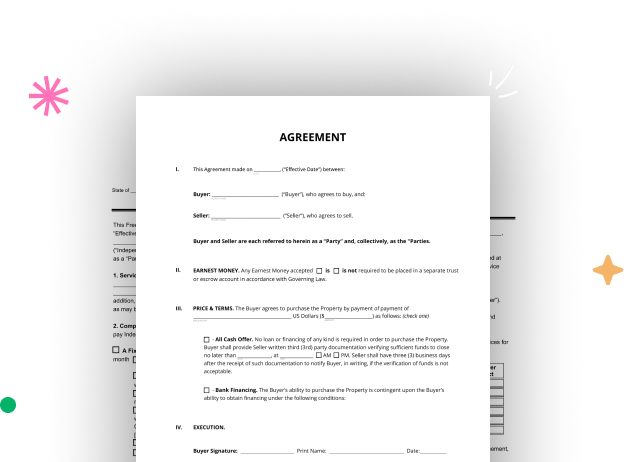

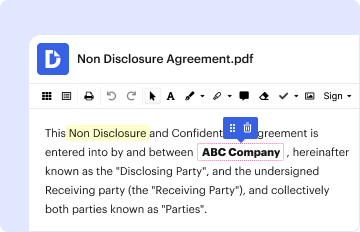

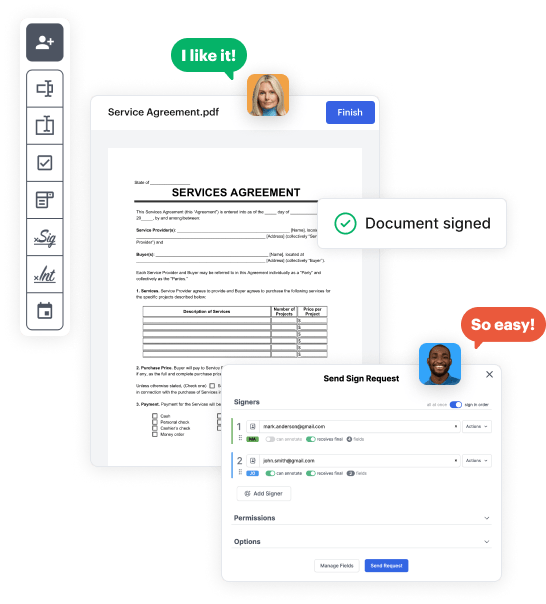
Create your Collection Agency Legal Form from scratch

Start Building Now
Title decoration

Here's how it works

01. Start with a blank Collection Agency Legal Form
Open the blank document in the editor, set the document view, and add extra pages if applicable.
02. Add and configure fillable fields
Use the top toolbar to insert fields like text and signature boxes, radio buttons, checkboxes, and more. Assign users to fields.
03. Distribute your form
Share your Collection Agency Legal Form in seconds via email or a link. You can also download it, export it, or print it out.

Create your Collection Agency Legal Form in a matter of minutes

Form edit decoration

Step 1: Access DocHub to build your Collection Agency Legal Form.

Start by logging into your DocHub account. Try out the pro DocHub functionality free for 30 days.

Step 2: Navigate to the dashboard.

Once signed in, head to the DocHub dashboard. This is where you'll create your forms and handle your document workflow.

Step 3: Create the Collection Agency Legal Form.

Hit New Document and select Create Blank Document to be redirected to the form builder.

Step 4: Set up the form layout.

Use the DocHub features to add and arrange form fields like text areas, signature boxes, images, and others to your form.

Step 5: Add text and titles.

Include needed text, such as questions or instructions, using the text tool to assist the users in your form.

Step 6: Customize field settings.

Adjust the properties of each field, such as making them required or arranging them according to the data you plan to collect. Assign recipients if applicable.

Step 7: Review and save.

After you’ve managed to design the Collection Agency Legal Form, make a final review of your form. Then, save the form within DocHub, transfer it to your chosen location, or distribute it via a link or email.


be ready to get more

Build your Collection Agency Legal Form in minutes

Start creating now

Got questions?

We have answers to the most popular questions from our customers. If you can't find an answer to your question, please contact us.
Contact us
Key Components to Include in a Debt Collection Letter Clear identification. Begin by clearly identifying the debtor, including their name, address, and relevant account information. Specific debt information. Payment options and due dates. Contact information. Call to Action. Legal considerations.
Most states require debt collection agencies to obtain licenses and to secure a collection agency bond. There are other requirements you will have to take care of when starting a new business. Here are some tips for how to start your own collection business.
You need to found a legal entity before you can begin collecting debts. Start your business as a legal entity with the appropriate federal and state authorities. Having the proper licenses, and billing and fee structure, can help show potential clients and financers that you are a serious businessperson.
The typical collections process includes the following steps: Overdue invoice is assigned. Verify past due amount. Issue dunning letters. Call the customer. Settle payment arrangements. Adjust credit limit. Monitor payments under settlement arrangements. Refer to a collection agency.
Launching a debt collection agency can be a lucrative and rewarding business venture. With the right skills, resources, and strategies, you can build a successful business that helps clients recover outstanding debts while maintaining ethical and legal practices.
be ready to get more

Build your Collection Agency Legal Form in minutes

Start creating now

Related Q&A to Collection Agency Legal Form

Business Formation Fees CostRequired?Max Cost Set up business: LLC Corporations Required $500 Small Business Insurance Recommended $2,000 Permit and License Fees Optional $700 Lawyer Fees Optional $1,500 Jan 18, 2023
Effective April 7, 2022, the New York statute of limitations for debt collection lawsuits arising out of a consumer credit transaction is reduced from six years to three years. Also, payment toward the debt or written or oral affirmation of the debt by the consumer does not revive or extend the limitations period.

Additional resources on building your forms


