
Create your Vermont Divorce Form from scratch

Start Building Now
Title decoration

Here's how it works

01. Start with a blank Vermont Divorce Form
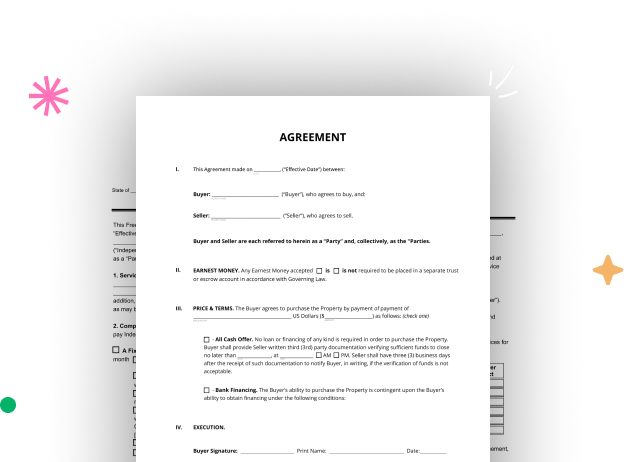
Open the blank document in the editor, set the document view, and add extra pages if applicable.
02. Add and configure fillable fields
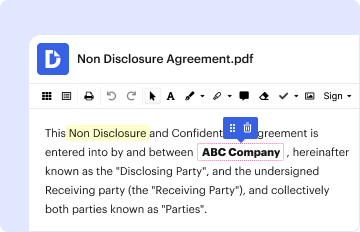
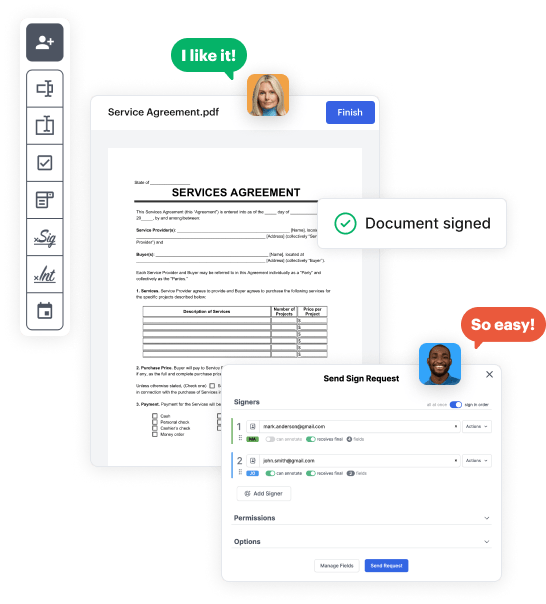
Use the top toolbar to insert fields like text and signature boxes, radio buttons, checkboxes, and more. Assign users to fields.
03. Distribute your form
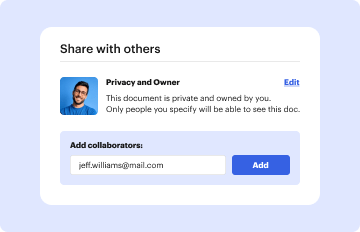
Share your Vermont Divorce Form in seconds via email or a link. You can also download it, export it, or print it out.

Create your Vermont Divorce Form in a matter of minutes

Form edit decoration

Step 1: Access DocHub to build your Vermont Divorce Form.

Begin signining into your DocHub account. Explore the advanced DocHub functionality free for 30 days.

Step 2: Go to the dashboard.

Once logged in, head to the DocHub dashboard. This is where you'll create your forms and manage your document workflow.

Step 3: Design the Vermont Divorce Form.

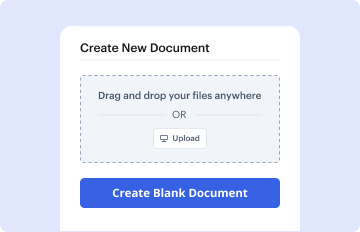
Hit New Document and select Create Blank Document to be taken to the form builder.

Step 4: Design the form layout.

Use the DocHub features to add and configure form fields like text areas, signature boxes, images, and others to your document.

Step 5: Add text and titles.

Include needed text, such as questions or instructions, using the text tool to assist the users in your document.

Step 6: Customize field properties.

Adjust the properties of each field, such as making them required or formatting them according to the data you plan to collect. Designate recipients if applicable.

Step 7: Review and save.

After you’ve managed to design the Vermont Divorce Form, make a final review of your document. Then, save the form within DocHub, transfer it to your preferred location, or distribute it via a link or email.


be ready to get more

Build your Vermont Divorce Form in minutes

Start creating now

Got questions?

We have answers to the most popular questions from our customers. If you can't find an answer to your question, please contact us.
Contact us
Under Vermont law, a plaintiff can file a no-fault divorce if they cite irreconcilable differences in their complaint. You can also file a fault-based divorce case in Vermont. The State of Vermont recognizes the following traditional grounds for divorce: Adultery.
The divorce divides everything you have, no matter whose name it is in, or who brought it to the marriage, or who earned the money to pay for it. Thats the rule of thumb. The judge has some flexibility, however. The equitable part of the rule means that the division should be fair, even if its not equal.
Vermont allows a no-fault divorce or civil union dissolution if you and your spouse have lived separate and apart for at least six consecutive months and are not likely to get back together. There are other grounds for divorce or dissolution, but this is the most common.
In a legal separation you can divide your finances and property, and plan the custody and support of your children. But you are still married and you cannot marry someone else. If you and your partner were never married but you have children together, you can start a parentage case in family court not a divorce case.
There is a 90-day waiting period after the final hearing before the divorce is final. This is called the nisi period. At the end of the nisi period the divorce becomes final.
be ready to get more

Build your Vermont Divorce Form in minutes

Start creating now

Related Q&A to Vermont Divorce Form

Vermonts filing fees for divorce (as of 2023) are $90 for a stipulated (uncontested) divorce or $295 when you file for a contested divorce. Theres a small additional fee for electronic filing.
The court will divide your property equitably, but that does not necessarily mean a 50/50 split. The court, by law, has to look at these factors when dividing property: The length of the marriage. The age and health of the parties.

Additional resources on building your forms


