



Understanding the Medication Record Sheet Example
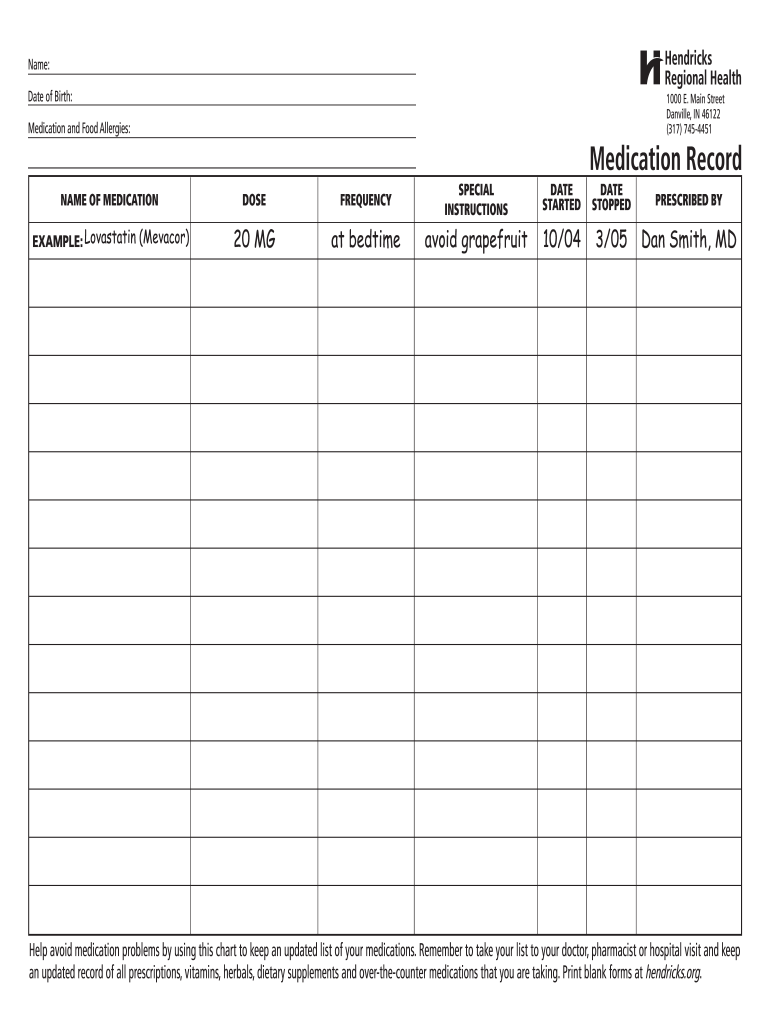
A medication record sheet is an essential document designed for patients to keep track of their medications, including prescriptions, over-the-counter drugs, vitamins, and supplements. This sheet not only aids in personal health management but serves as an important communication tool with healthcare providers.
Key Components of a Medication Record Sheet
These are crucial elements commonly found in a medication record sheet:
- Patient Information: This section includes the patient's name, age, allergies, and contact information, ensuring that all healthcare providers have access to essential patient details.
- Medication List: Details such as the name of the medication, dosage, frequency of intake, prescribing physician, and purpose of the medication are included. This ensures clarity about what the patient is taking and why.
- Administration Instructions: Clear guidelines on how and when to take each medication are provided, which aids in adherence to treatment plans.
- Side Effects and Interactions: Patients are encouraged to document any side effects they experience, as well as any potential drug interactions. This can offer valuable information during follow-up appointments.
- Review Dates: It's important to note when the medication was last reviewed by a healthcare professional, helping ensure that prescriptions remain up-to-date and safe.
How to Use a Medication Record Sheet Effectively
To maximize the benefits of a medication record sheet, patients should follow these guidelines:
- Update Regularly: The sheet should be reviewed and updated after each doctor’s visit or whenever medication changes occur. This helps maintain an accurate and current record.
- Share with Healthcare Providers: Presenting the record during medical appointments can foster better communication and allow for informed decision-making about treatment options.
- Integrate with Daily Routines: Have the medication record sheet in a readily accessible location, such as a wallet or on a mobile device. This can assist with on-the-go reference, ensuring consistent adherence to medication schedules.
- Track Refills: Include information about when refills are due so patients can schedule timely appointments with healthcare providers when necessary.
Benefits of Maintaining a Medication Record
Keeping an accurate medication record sheet offers several advantages:
- Enhanced Safety: An organized list of medications can prevent adverse drug interactions and overlooked allergies, significantly reducing the risk of harm.
- Improved Adherence: By having a comprehensive record, patients are more likely to stay on track with their prescribed therapies, leading to better health outcomes.
- Empowerment: By taking charge of their healthcare, patients become active participants in their treatment and can engage more meaningfully with their providers.
Templates and Formats for the Medication Record Sheet
The medication record sheet can come in a variety of formats, enabling customization based on individual needs:
- Printable Options: Many websites offer free printable medication log sheets in PDF format, providing a tangible option for those who prefer paper.
- Digital Tools: There are various apps and online platforms available that allow users to enter their medication information, with features that send reminders for doses or refills.
- Electronic Health Records (EHRs): Some health systems integrate medication records into EHRs, making it easy for healthcare providers and patients to access updated medication lists in real-time.
Conclusion on Medication Record Management
Establishing a routine for managing a medication record sheet is vital for anyone taking multiple medications or those with complex health conditions. By fostering communication with healthcare providers and maintaining an updated log, individuals can enhance their safety and wellbeing while navigating their treatment plans.