




01. Edit your 5284e form online
Type text, add images, blackout confidential details, add comments, highlights and more.

Type text, add images, blackout confidential details, add comments, highlights and more.

Draw your signature, type it, upload its image, or use your mobile device as a signature pad.

Send form 5284e via email, link, or fax. You can also download it, export it or print it out.
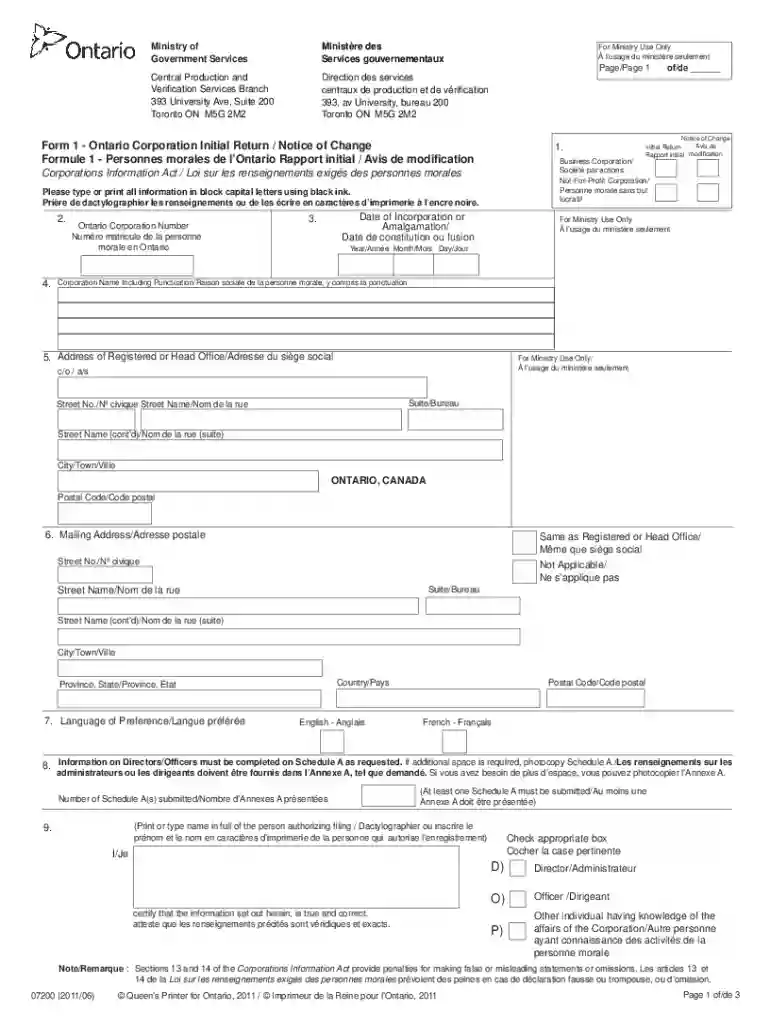
The Form 1 Initial Return is a crucial document used in the compliance and administrative processes for corporations in the United States. This form is primarily utilized for entities that need to file an Initial Return or Notice of Change, as mandated under corporate regulations. The purpose of the form is to officially notify the appropriate state authority about the incorporation of a business or any changes in existing corporate information. It includes basic data such as the corporation's name, address, officers, and other pertinent details necessary for regulatory compliance.
Properly completing this fillable form ensures that the company meets its legal obligations and avoids potential penalties. An Initial Return must often be submitted within specific deadlines after the entity is formed, making accuracy and timeliness vital for adherence to state laws.
Filling out the Form 1 Initial Return involves several clear steps that must be followed to ensure compliance:
Each of these steps is essential to ensure that the Form 1 Initial Return is complete, accurate, and submitted timely, fulfilling the necessary legal obligations of the corporate entity.
Filing deadlines for the Form 1 Initial Return can vary by state, but there are general timelines to be aware of:
Failure to meet these deadlines can lead to penalties, including fines or the potential dissolution of the corporation, underlining the importance of adhering to the regulatory timeline.
Completing the Form 1 Initial Return typically requires several supporting documents as follows:
Collecting these documents beforehand can streamline the process, ensuring that the Form 1 Initial Return is complete and accurate when submitted.
Failure to properly file the Form 1 Initial Return can result in significant penalties, which may include:
To avoid these repercussions, it is critical to understand the requirements and keep track of all deadlines associated with the Form 1 Initial Return.
The Form 1 Initial Return can be completed digitally or in a paper format, with distinct advantages and disadvantages to each:
Digital Format: The fillable version of Form 1 allows for convenient electronic submissions.
Paper Format: The traditional paper form may still be preferred by some individuals or businesses.
Choosing between a digital and paper format will depend on the corporation's resources, comfort with technology, and specific state requirements.
Utilizing the Form 1 Initial Return is common among various types of corporations, with several scenarios illustrating its importance:
Each of these examples underscores the integral role of the Form 1 Initial Return in ensuring that corporations adhere to legal standards and maintain their corporate status.
At DocHub, your data security is our priority. We follow HIPAA, SOC2, GDPR, and other standards, so you can work on your documents with confidence.
Forms with known limitations. Form 1040, U.S. Individual Income Tax Return. The program only supports filing for the calendar year (January 1 December 31).Read more
When citing to a case that has not yet been published in a reporter, use the following citation form: (1) the first party name v. the second party nameRead more
I, the individual identified above, designate the beneficiary or beneficiaries named below to receive any lump-sum benefit which may become payable underRead more


