
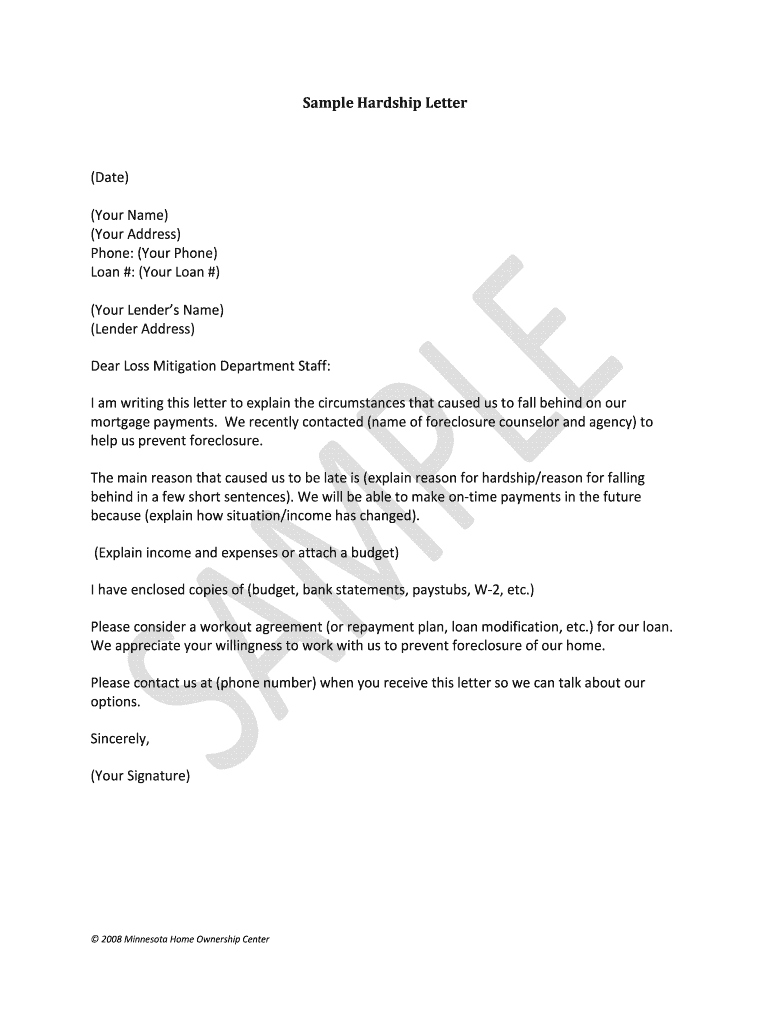







Definition and Meaning of a Proof of Property Ownership Letter
A proof of property ownership letter serves as an official document that confirms an individual's legal claim to a specific piece of real estate. This letter is frequently requested by various parties, including financial institutions, insurance companies, and government agencies, to validate ownership for purposes such as financing, insuring, or transferring property. It is essential to clearly outline details such as the property address, the owner's name, and specifics about the ownership rights held.
Importance of Proof of Property Ownership
- Verification: Confirms the ownership status, which is crucial for transactions involving the property.
- Legal Requirement: Some processes, such as applying for loans or property sales, necessitate proof of ownership.
- Protection: Provides legal recourse against unauthorized claims or disputes over property ownership.
How to Use the Proof of Property Ownership Letter
Using a proof of property ownership letter effectively requires understanding its context and application. Here are typical scenarios:
- Real Estate Transactions: When buying or selling a property, presenting this letter to the involved parties helps facilitate a smooth transaction.
- Loan Applications: Lenders may request a proof of property ownership letter when considering mortgage applications.
- Insurance Claims: In cases of damage or loss, this letter may be required to validate that the claimant is indeed the property owner.
Steps for Effective Use
- Determine the Requirement: Confirm who requires the letter and for what purpose.
- Gather Necessary Information: Compile property details such as legal descriptions, property tax identification number, and any relevant documentation.
- Present the Document: Provide the proof of property ownership letter to the requesting party along with any additional documentation that may be needed.
How to Obtain a Proof of Property Ownership Letter
Obtaining a proof of property ownership letter involves several straightforward steps:
- Contact the County Recorder's Office: The letter can typically be requested from your local county recorder or assessor's office, which maintains property records.
- Provide Details: When making the request, include information such as your name as the property owner, the property address, and any associated parcel numbers. This data helps expedite the process.
- Request Official Documentation: Ask for an official version of the proof of ownership letter, as some entities may not accept informal versions.
Additional Tips for Obtaining the Letter
- Check for Fees: Be aware that there may be fees associated with obtaining the letter, which can vary by location.
- Online Resources: Many counties provide digital access to property records, allowing you to obtain necessary documentation online.
Key Elements of a Proof of Property Ownership Letter
A well-crafted proof of property ownership letter must include several crucial components:
- Property Owner Information: Clearly list the owner's full name and current address.
- Property Details: Provide a complete description of the property, including its address, legal description, and possibly parcel identification numbers.
- Owner Affidavit: Include a statement confirming the owner’s identity and their ownership rights.
- Date of Issue: The letter should include the date it is issued, which is significant for legal matters.
Common Formats
- Letterhead: Use official letterhead if available, particularly if the letter is issued by a government agency or a legal entity.
- Signature: Ensure that the letter is signed by the appropriate authority or the owner to lend authenticity.
Examples of Using a Proof of Property Ownership Letter
The versatility of the proof of property ownership letter can be illustrated through various scenarios:
- Mortgage Application: A homeowner applies for a mortgage and needs to provide proof of ownership to the bank. The letter confirms their ownership and is included in the loan documentation.
- Tax Assessment Appeal: A property owner receiving an unjust tax assessment may use the proof of ownership letter to contest the assessment in a local board of appeals.
- Property Management: A property manager may require the letter to validate their authority when managing a property on behalf of the owner.
Additional Scenarios
- Title Transfers: When transferring ownership of property, the proof of ownership letter substantiates the transaction to ensure that all legal requirements are fulfilled.
- Proving Ownership for Inheritance: At times of estate settlement, a proof of property ownership letter may help heirs establish their claim to inherited property.
State-Specific Rules for Proof of Property Ownership Letters
Regulations surrounding proof of property ownership letters can differ by state. Understanding these nuances is essential for ensuring compliance with local laws.
Common Requirements:
- Notarization: Some states may require a notarized letter for it to be accepted in legal or financial contexts.
- Format Standards: Each state might have specific format requirements, such as the need for a specific title or header.
Researching Local Regulations
- Consult Local Authorities: It's advisable to check with local government websites or offices to understand specific rules regarding property ownership letters to avoid complications.
- Real Estate Professionals: Engaging with real estate professionals can also provide clarity and guidance on state-specific requirements.




