




Here's how it works
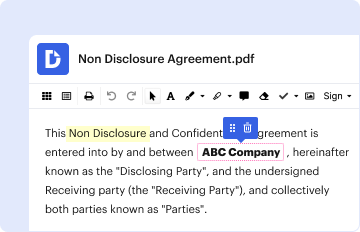
01. Edit your form online
Type text, add images, blackout confidential details, add comments, highlights and more.
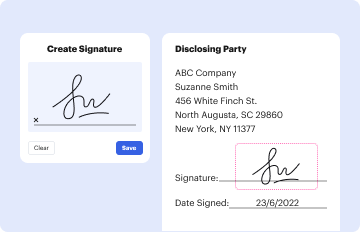
02. Sign it in a few clicks
Draw your signature, type it, upload its image, or use your mobile device as a signature pad.
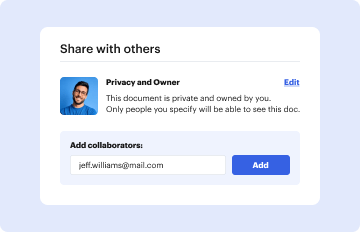
03. Share your form with others
Send it via email, link, or fax. You can also download it, export it or print it out.
How to use or fill out SC1041 2006 form with our platform

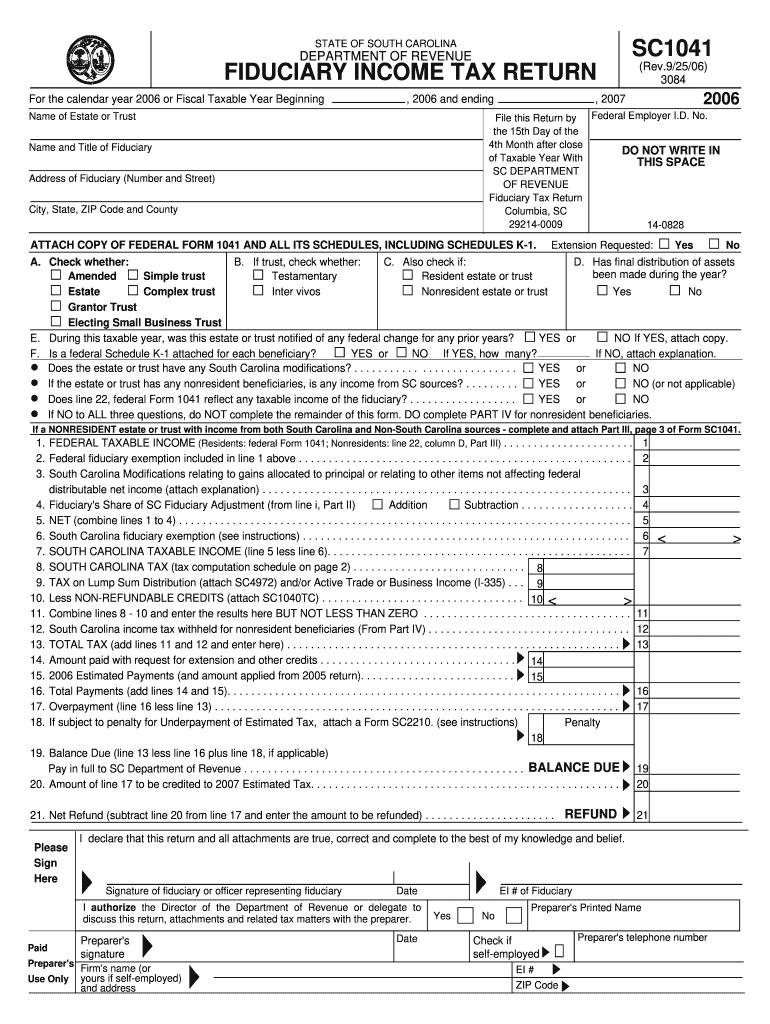
- Click ‘Get Form’ to open the SC1041 2006 form in the editor.
- Begin by entering the name of the estate or trust, along with the fiduciary's name and title. Ensure that you provide a complete address including city, state, ZIP code, and county.
- In the extension requested section, check the appropriate boxes based on your situation (e.g., if it’s a simple trust or if an amended return is needed).
- Proceed to fill in federal taxable income from federal Form 1041 on line 1. If applicable, include any South Carolina modifications as instructed.
- Complete Parts II and III for allocation of adjustments and computation of income from South Carolina sources if there are nonresident beneficiaries.
- Review all entries for accuracy before signing at the bottom of the form. Make sure to attach a copy of federal Form 1041 and any required schedules.
Start filling out your SC1041 form today for free using our platform!
Fill out sc1041 2006 form online
It's free
It's free
See more sc1041 2006 form versions
We've got more versions of the sc1041 2006 form form. Select the right sc1041 2006 form version from the list and start editing it straight away!
| Versions | Form popularity | Fillable & printable |
|---|---|---|
| 2025 | 4.4 Satisfied (36 Votes) | |
| 2024 | 4.4 Satisfied (46 Votes) | |
| 2023 | 4.3 Satisfied (43 Votes) | |
| 2022 | 4.8 Satisfied (50 Votes) | |
| 2021 | 4.8 Satisfied (104 Votes) | |
| 2020 | 4.4 Satisfied (52 Votes) | |
| 2019 | 4 Satisfied (46 Votes) | |
| 2018 | 4.4 Satisfied (199 Votes) | |
| 2017 | 4.4 Satisfied (51 Votes) | |
| 2016 | 4.3 Satisfied (362 Votes) | |
| 2015 | 4 Satisfied (51 Votes) | |
| 2014 | 4.3 Satisfied (54 Votes) | |
| 2013 | 4.1 Satisfied (31 Votes) | |
| 2006 | 4.1 Satisfied (62 Votes) | |
| 2003 | 4.2 Satisfied (31 Votes) |
Security and compliance
At DocHub, your data security is our priority. We follow HIPAA, SOC2, GDPR, and other standards, so you can work on your documents with confidence.
Learn more


