

Stark county conveyance form 2026

Get Form
stark county conveyance form Preview on Page 1

Here's how it works

01. Edit your stark county conveyance form online
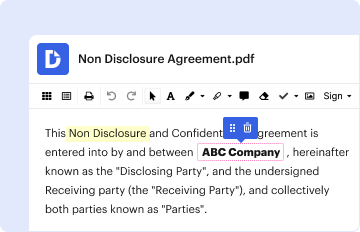
Type text, add images, blackout confidential details, add comments, highlights and more.
02. Sign it in a few clicks
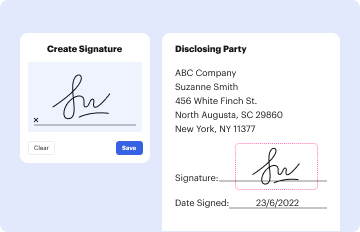
Draw your signature, type it, upload its image, or use your mobile device as a signature pad.
03. Share your form with others
Send it via email, link, or fax. You can also download it, export it or print it out.

How to use or fill out stark county conveyance form with our platform

Form edit decoration
9.5
Ease of Setup
DocHub User Ratings on G2
9.0
Ease of Use
DocHub User Ratings on G2
  1. Click ‘Get Form’ to open the stark county conveyance form in the editor.
  2. Begin by filling in the grantor's name and contact information in lines 1 and 2. Ensure accuracy as this information is crucial for property records.
  3. In line 3, enter the complete address of the property being conveyed. This should include street number and name for clarity.
  4. For line 4, provide the tax billing address where future tax bills should be sent. This ensures timely receipt of important documents.
  5. On line 5, indicate whether there are buildings on the land. If yes, check the appropriate box that describes the type of building present.
  6. Complete line 6 by checking any special conditions of sale that apply. This may include trade agreements or if the grantor is a relative.
  7. In lines 7a to 7i, detail any financial considerations such as mortgage amounts and cash payments. Be thorough to avoid discrepancies.
  8. Finally, review all entries for accuracy before signing at the bottom of the form to declare that all information is true and complete.

Start using our platform today to easily fill out your stark county conveyance form online for free!

be ready to get more

Complete this form in 5 minutes or less

Get form

Got questions?

We have answers to the most popular questions from our customers. If you can't find an answer to your question, please contact us.
Contact us
Conveyance is the act of transferring property from one party to another, such as with real estate. A conveyance is done using an instrument of conveyancea legal document such as a contract, deed, title, or lease.
The Deed Transfer Department transfers the owners name and address on the real estate tax list and duplicate. The department also collects the transfer tax/ conveyance fee ($4.00 per $1,000 of sale price) and the transfer fee ($. 50 per parcel).
The conveyance fee consists of two parts. A statewide mandatory tax of 1 mill ($1 per $1,000 dollars of the value of property sold or transferred) applies in all 88 of Ohios coun ties. In addition, counties may also impose a permissive real property transfer tax of up to 3 additional mills.
The real property conveyance fee is paid by persons who make sales of real estate or used manufactured homes. The base of the tax is the value of real estate sold or transferred from one person to another.
A real estate transfer tax or conveyance tax is levied by the government when the ownership or title of real estate changes. The tax varies by state, county, and locality, and there are no federal guidelines for real estate transfer tax. PropertyShark. Real Estate Transfer Tax by State 2024.

Security and compliance

At DocHub, your data security is our priority. We follow HIPAA, SOC2, GDPR, and other standards, so you can work on your documents with confidence.

Learn more

People also ask

A statewide mandatory tax of 1 mill ($1 per $1,000 dollars of the value of property sold or transferred) applies in all 88 of Ohios coun ties. In addition, counties may also impose a permissive real property transfer tax of up to 3 additional mills.
Ohio law prohibits individuals from knowingly taking or attempting to take illegal drugs or controlled substances onto the grounds of a detention facility or government institution. The crime is known as illegal conveyance.
The exemption, which takes the form of a credit on property tax bills, allows qualifying homeowners to exempt $28,000 of the market value of their homes from all local property taxes. For example, through the homestead exemption, a home with a market value of $100,000 is billed as if it is worth $72,000.

Related links