





Definition and Meaning of MS State Tax Refund
The Mississippi state tax refund is a reimbursement process where taxpayers receive a refund of excess taxes paid to the state of Mississippi. This typically occurs when a taxpayer’s actual tax liability is less than the amount they originally paid through withholding or estimated tax payments. A state tax refund helps ensure that taxpayers are not overpaying their tax liabilities, and it functions as an essential component of tax compliance, reinforcing equitable financial arrangements between taxpayers and the state.
State tax refunds apply to individual taxpayers, businesses, and other entities that have fulfilled or over-fulfilled their tax obligations. The refund process may involve several steps, from filing tax returns to waiting for processing and approval by the Mississippi Department of Revenue.
How to Use the MS State Tax Refund
To utilize your Mississippi state tax refund, you must first ensure that you've correctly filed your state tax return. Once the Department of Revenue processes your return, refunds can be issued either through direct deposit into your bank account or as a paper check sent by mail. Using direct deposit is the most secure and efficient method to receive your refund. It's crucial to provide accurate bank account details on your tax return to avoid any delays or complications.
Once the refund is received, taxpayers commonly use the funds for a variety of personal or financial needs. This may include paying off debts, saving for future expenses, or investing. Alternatively, some choose to contribute their refunds to voluntary funds that align with personal values or community support initiatives outlined during the tax filing process.
Steps to Complete the MS State Tax Refund
-
Gather Required Documents: Start by collecting all necessary documents, including your W-2, 1099 forms, and any relevant expenditures that qualify for deductions.
-
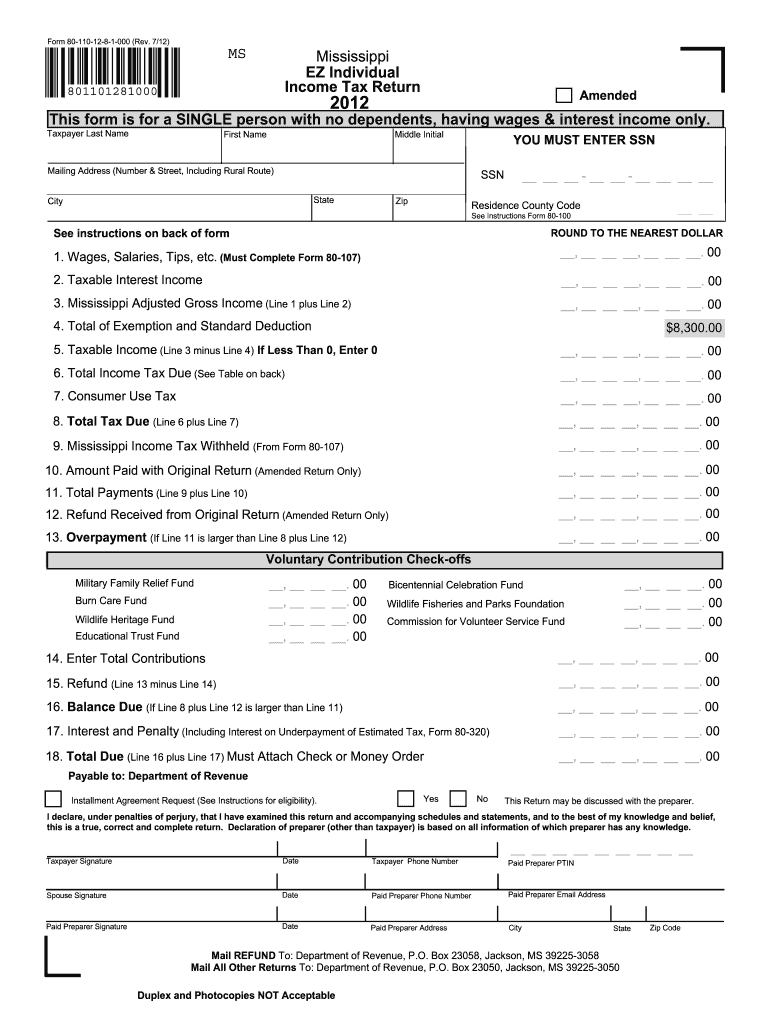
File Your State Tax Return: Use tax software or consult with a tax professional to accurately file your Mississippi state tax return. Ensure every line in the form is complete, following the instructions provided by the Department of Revenue.
-
Verify and Submit: Double-check all details, ensuring that numbers match your financial documents and personal information is correct.
-
Choose Refund Preference: Indicate your chosen method of refund receipt on the return, either via direct deposit or paper check.
-
Track Your Refund Status: After submitting, use the Department of Revenue's online portal to track your refund's processing status. This step allows you to monitor any issues or delays.
-
Receive and Manage Refund: Once processed, receive your refund directly to your bank or via mail and allocate these funds based on your financial strategy or immediate requirements.
Important Terms Related to MS State Tax Refund
- Tax Liability: The total amount of tax that a taxpayer is legally obligated to pay to the state.
- Tax Withholding: The portion of an employee’s wages that is not included in their paycheck because it is sent directly to state and federal tax authorities.
- Adjusted Gross Income (AGI): An individual's total gross income minus specific deductions, pivotal in determining tax liability.
- Filing Status: Determines the tax rate and standard deduction amount, with categories such as single, married filing jointly, and head of household.
- Direct Deposit: An electronic funds transfer directly into a recipient's bank account, considered the fastest way to receive refunds.
- E-File: An electronic method of filing taxes, offering convenience and faster processing times compared to paper submissions.
Form Submission Methods
Filing your Mississippi state tax return can be completed using several methods, each offering different conveniences. Online filing, commonly known as e-filing, is the most popular and recommended due to its efficiency and reduced error rates. Mississippi provides an online filing system that integrates with federal filing, allowing a streamlined process.
For those preferring traditional methods, paper submission is still an option. However, this method may result in longer processing times. It is vital to verify that all necessary forms and attachments are included before mailing them to the Department of Revenue's designated address.
Filing Deadlines and Important Dates
The filing deadline for the Mississippi state tax returns is typically April 15, mirroring the federal tax deadline unless an extension is announced by state authorities. If you cannot meet this deadline, you may file for an extension, usually providing an additional six months. However, note that an extension to file is not an extension to pay any taxes due; interest may accrue on any unpaid amounts after the original deadline.
Ensure to stay informed on any changes to these dates, especially in cases of emergencies or other official announcements by the Mississippi Department of Revenue.
Eligibility Criteria for MS State Tax Refund
Eligibility for a Mississippi state tax refund depends on several factors:
- Residency Status: Must be a resident, part-year resident, or non-resident who earned income within Mississippi during the tax year.
- Filing Requirements: Must have filed a Mississippi state tax return showing a refundable overpayment.
- Tax Payments and Withholding: The total amount of taxes withheld from income or paid through estimated payments exceeds the taxpayer's calculated liability.
Understanding these criteria helps ensure that taxpayers determine their refund eligibility with accuracy and improve compliance during the filing process.


Penalties for Non-compliance
Failing to file or pay taxes by Mississippi's specified deadlines can lead to several penalties:
- Late Filing Penalty: Usually a percentage of the unpaid taxes for each month or part of a month that the return is late.
- Late Payment Penalty: Accrued on unpaid taxes from the due date until paid, typically assessed monthly.
- Interest Charges: Additional interest may be charged on unpaid taxes, calculated at a predetermined rate.
Ensuring timely and accurate filing is crucial to avoid these financial penalties, providing compliance and fiscal responsibility in state tax affairs.