




Here's how it works
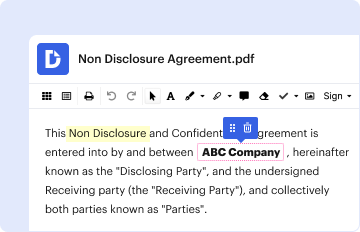
01. Edit your form online
Type text, add images, blackout confidential details, add comments, highlights and more.
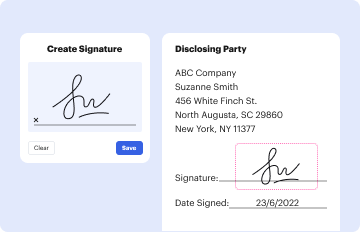
02. Sign it in a few clicks
Draw your signature, type it, upload its image, or use your mobile device as a signature pad.
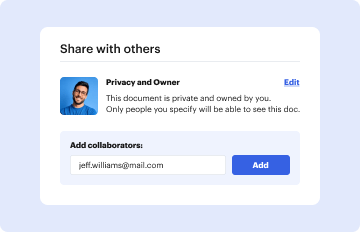
03. Share your form with others
Send it via email, link, or fax. You can also download it, export it or print it out.
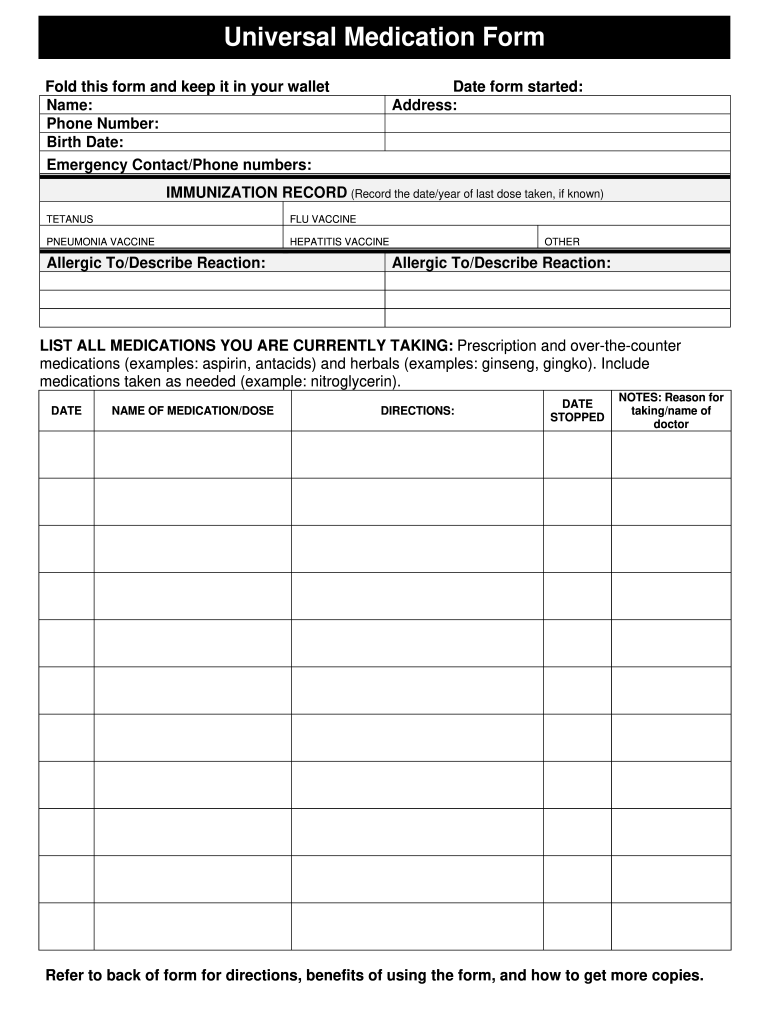
How to Use the Universal Medication Form

- Click ‘Get Form’ to open it in the editor.
- Begin by entering your personal information at the top of the form, including your name, phone number, birth date, and address. This ensures that your details are readily available in case of an emergency.
- In the Immunization Record section, record the dates of your last vaccinations for Tetanus, Flu, Pneumonia, and Hepatitis. This helps healthcare providers understand your immunization status.
- List all medications you are currently taking in the designated area. Include both prescription and over-the-counter medications along with any herbal supplements. Be sure to note the dosage and directions for each medication.
- Document any allergies you have and describe your reactions. This is crucial for avoiding adverse effects during medical treatments.
- Use the NOTES section to write down reasons for taking each medication and the names of prescribing doctors. This provides context for healthcare professionals reviewing your form.
Start using our platform today to easily fill out and manage your Universal Medication Form online for free!
Fill out printable illness and medication form online
It's free
It's free
Got questions?
We have answers to the most popular questions from our customers. If you can't find an answer to your question, please contact us.
Contact us
What are the 10 different forms of medicines?
Types of medicines Liquid. The active part of the medicine is combined with a liquid to make it easier to take or better absorbed. Tablet. The active ingredient is combined with another substance and pressed into a round or oval solid shape. Capsules. Topical medicines. Suppositories. Drops. Inhalers. Injections.
What are the 20 classes of drugs?
USP Drug Classification AnalgesicsAntipsychoticsHormonal agents (pituitary) Anesthetics Antispasticity agents Hormonal agents (prostaglandins) Anti-addiction agents Antivirals Hormonal agents (sex hormones) Antibacterials Anxiolytics Hormonal agents (thyroid) Anticonvulsants Bipolar agents Hormone suppressant (adrenal)11 more rows Aug 26, 2024
What is a medication template?
Prescription (Rx) Templates allow you to easily save frequently used medications and its specifications (Sig, Qty, Unit, Refills, Days Supply, Packaging (NDC)) as a set of information to use and reuse at a later time.
What are 10 examples of drugs?
Commonly Used Drugs Charts Alcohol. Ayahuasca. Cannabis (Marijuana/Pot/) Central Nervous System Depressants (Benzos) (Coke/) Fentanyl. GHB. Hallucinogens.
What are the 10 Rs of medication?
The Essential Guide to the 10 Rights of Medication Administration Right Medication. Ensuring Accuracy in Medication Selection. Right Patient. Confirming the Recipient. Right Dose. Accurate Dosage Delivery. Right Route. Administering via the Correct Route. Right Time Frequency. Right Response. Right Documentation. Right to Refuse.
Security and compliance
At DocHub, your data security is our priority. We follow HIPAA, SOC2, GDPR, and other standards, so you can work on your documents with confidence.
Learn more


People also ask
What is a medication administration form?
You can use a Medication Administration Record (MAR) to help you keep track of every dose that the individual you support takes or misses for whatever reason. A MAR includes key information about the individuals medication including, the medication name, dose taken, special instructions and date and time.
How to make a medication checklist?
The list should have your emergency contacts, allergies and information about your prescription and nonprescription medicines, vitamins and supplements, including: The name of each medicine. The strength of each medicine. What you take the medicine for. Instructions of when, how and how much of the medicine you take.