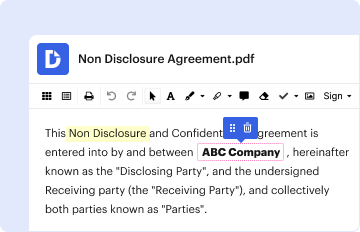
Type text, add images, blackout confidential details, add comments, highlights and more.
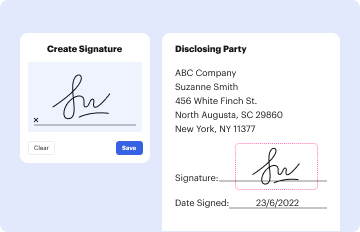
02. Sign it in a few clicks
Draw your signature, type it, upload its image, or use your mobile device as a signature pad.
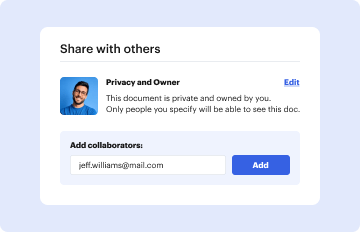
03. Share your form with others
Send dv 100 instructions via email, link, or fax. You can also download it, export it or print it out.
How to use or fill out DV-100 Petition for Domestic Violence Protective Order - 1 Petitioner (6-11) PDF Fill in. Domestic Violence Forms with our platform
Ease of Setup
DocHub User Ratings on G2
Ease of Use
DocHub User Ratings on G2
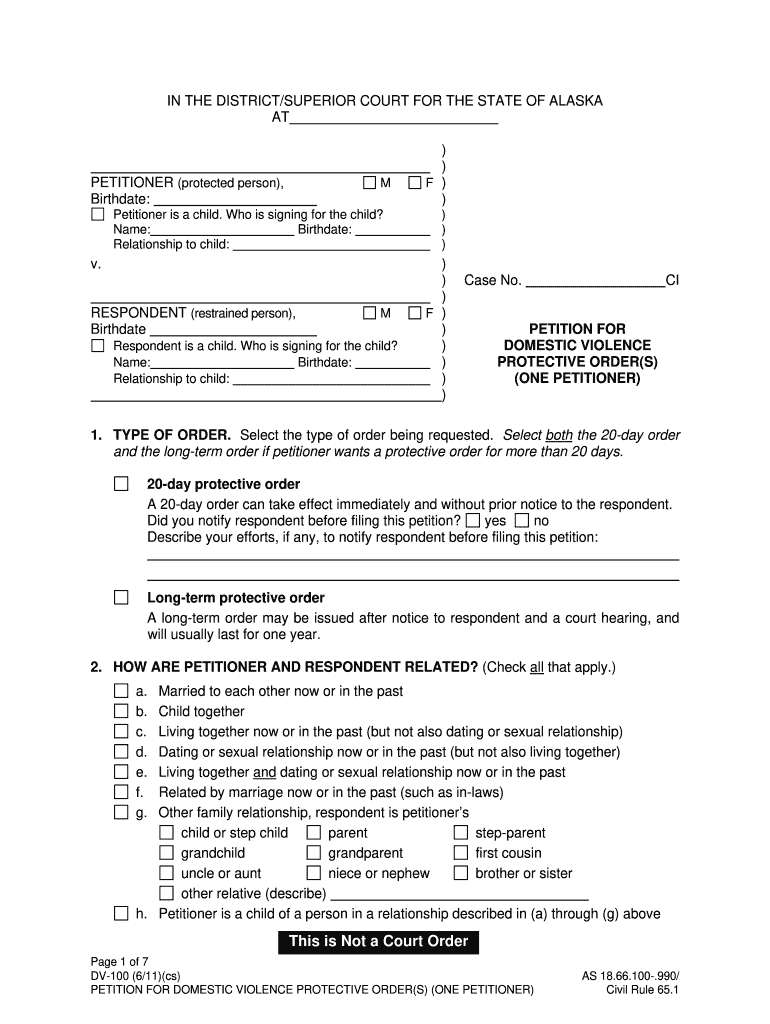
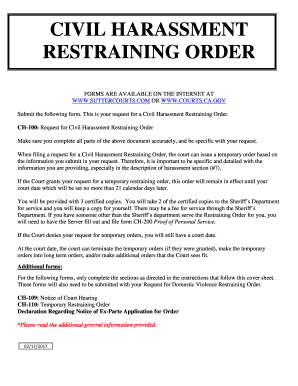
Click ‘Get Form’ to open the DV-100 Petition in the editor.
Begin by entering your personal information as the petitioner, including your birthdate and relationship to any children involved.
Select the type of protective order you are requesting: a 20-day order or a long-term order. Provide details on whether you notified the respondent before filing.
Indicate how you and the respondent are related by checking all applicable boxes.
Describe the incidents of domestic violence in detail, including dates, locations, and any involvement of weapons or injuries.
Specify the protections you are requesting from the court, such as no contact orders or temporary possession of property.
If applicable, provide information regarding children involved, including custody requests and visitation concerns.
Complete sections about other legal cases involving either party and any assistance needed from law enforcement.
Finally, review all entered information for accuracy before signing and submitting your petition.
Start filling out your DV-100 Petition today using our platform for free!
Fill out DV-100 Petition for Domestic Violence Protective Order - 1 Petitioner (6-11) PDF Fill in. Domestic Violence Forms online It's free
How do you respond to a restraining order in California?
Respond means to let the judge and the other side know whether you agree or disagree with the request for restraining order, and why. If you want to respond in writing, you can complete a form and turn it in to the court. Responding in writing is optional and there is no penalty if you dont.
What does DV stand for?
abbreviation for domestic violence: a situation in which someone is attacked and hurt by a person who lives with them: She highlights how victims of DV have been failed by the legal system.
Who is the petitioner in domestic violence?
(2) A person may seek relief from domestic violence by filing a petition based on a sworn affidavit with the magistrates division of the district court, alleging that the person or a family or household member, whether an adult or a child, is the victim of domestic violence.
What is dv100?
To dismiss an order of protection, certain legal requirements must be met, like proving no violation happened or submitting a motion for dismissal. In order to have an order of protection dropped, one must: Return to the county court where the petition for the original order was filed. Complete the necessary paperwork.
What does the term DV mean?
Domestic violence is a pattern of abusive behavior in any relationship that is used by one partner to gain or maintain power and control over another intimate partner.
Security and compliance
At DocHub, your data security is our priority. We follow HIPAA, SOC2, GDPR, and other standards, so you can work on your documents with confidence.
The person who files a petition for protection is called the petitioner; the person against whom the petition is filed (the abusive person) is called the defendant. The protected person is usually the petitioner, but not always.
What is the order of protection in California?
An EPO can include orders that the defendant: Not contact people protected by the order. Not harass, stalk, threaten or hurt people protected by the order. Stay a certain distance away from people protected by the order or places they live or go regularly. Move out from a home that is shared with the protected person.
Related links
ACS Forms Catalog - Alaska Court System
In the small courts normally one person has this responsibility. 2. Forms Not Listed in This Catalog. The only forms which you may order from Court Supply areRead more
Divorce can also provide the victim with certain financial protections. 3. Child Custody and Visitation. Many abusers use child custody litigation to continueRead more
Cookie consent notice
This site uses cookies to enhance site navigation and personalize your experience.
By using this site you agree to our use of cookies as described in our Privacy Notice.
You can modify your selections by visiting our Cookie and Advertising Notice.