



01. Edit your irs consent form online
Type text, add images, blackout confidential details, add comments, highlights and more.

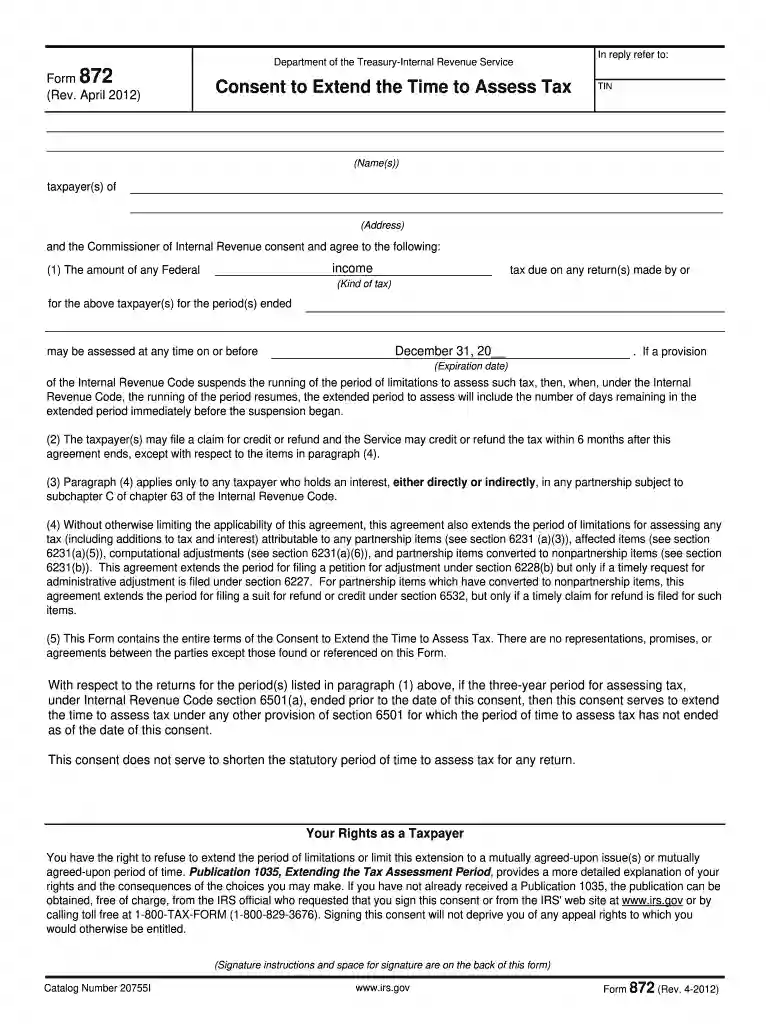
Type text, add images, blackout confidential details, add comments, highlights and more.

Draw your signature, type it, upload its image, or use your mobile device as a signature pad.

Send taxpayer consent form via email, link, or fax. You can also download it, export it or print it out.
The "consent form to talk to IRS 2012" refers to a specific document used by taxpayers to authorize the IRS to disclose their tax return information to a designated third party. This form is crucial for situations where representation or assistance by another party is needed during tax discussions. By submitting this consent form, taxpayers can facilitate interactions with the IRS, ensuring that their representative has the legal authority to discuss relevant tax matters on their behalf.
Using the consent form involves several key steps to ensure proper authorization. First, identify the third party you wish to allow communication with the IRS. Fill out the form with accurate details, including the name, address, and contact information of both the taxpayer and the authorized party. Specify the tax years and types of tax information that the third party will have access to. Once the form is completed, submit it according to the IRS's specified submission methods, which may include mail or online options.
Acquiring the consent form is a straightforward process. Taxpayers can download the form directly from the IRS website or request a physical copy by contacting the IRS. Some tax preparation software may also offer the ability to access and fill out the form directly within their platforms. Ensure you are using the correct version to avoid any compliance issues.
Completing the consent form accurately is crucial. Start by entering the taxpayer’s information, followed by the details of the person or entity receiving the authorization. Remember to include specific information on what the third party will have the right to discuss with the IRS. After filling out the form, review all entries for accuracy, then sign and date it to validate the consent.
Utilizing the consent form is beneficial for taxpayers who lack the expertise to fully navigate tax matters or for those requiring professional representation. It provides peace of mind by officially documenting who can discuss their tax affairs with the IRS, ensuring that representatives can access necessary information to help resolve issues efficiently.
The consent form contains several critical components that ensure its validity and proper execution. Notably, these include the taxpayer identification number, the third party’s details, the tax period involved, and a clear outline of the information the third party can access. Signature fields authenticate the consent and must be completed by the taxpayer.
The legal use of this consent form is governed by IRS regulations, ensuring that taxpayer information is shared only with designated individuals with explicit permission. It helps maintain compliance with privacy laws, such as the Taxpayer Bill of Rights, safeguarding sensitive tax details.
Failing to use the consent form correctly or attempting unauthorized representations can result in penalties. The IRS reserves the right to reject communications from unauthorized representatives, and taxpayers might face fines or sanctions for fraudulent submissions.
Understanding and utilizing the "consent form to talk to IRS 2012" effectively prepares taxpayers to manage and delegate their tax-related communications securely and in compliance with IRS standards.
We've got more versions of the irs consent form form. Select the right irs consent form version from the list and start editing it straight away!
At DocHub, your data security is our priority. We follow HIPAA, SOC2, GDPR, and other standards, so you can work on your documents with confidence.
Form 2848, Power of Attorney and Declaration of Representative, provides an individual with the authority to act on behalf of a taxpayer and to access taxRead more
Defining the reasonableness standard of duty to search. Generally. Agencies have a duty to liberally construe FOIA requests to ensure responsive records areRead more
Mar 30, 2026 Use this form to authorize a reporting agent to: Sign and file certain returns;; Make deposits and payments for certain returns;Read more


