







Definition & Meaning of a Business Letter Template
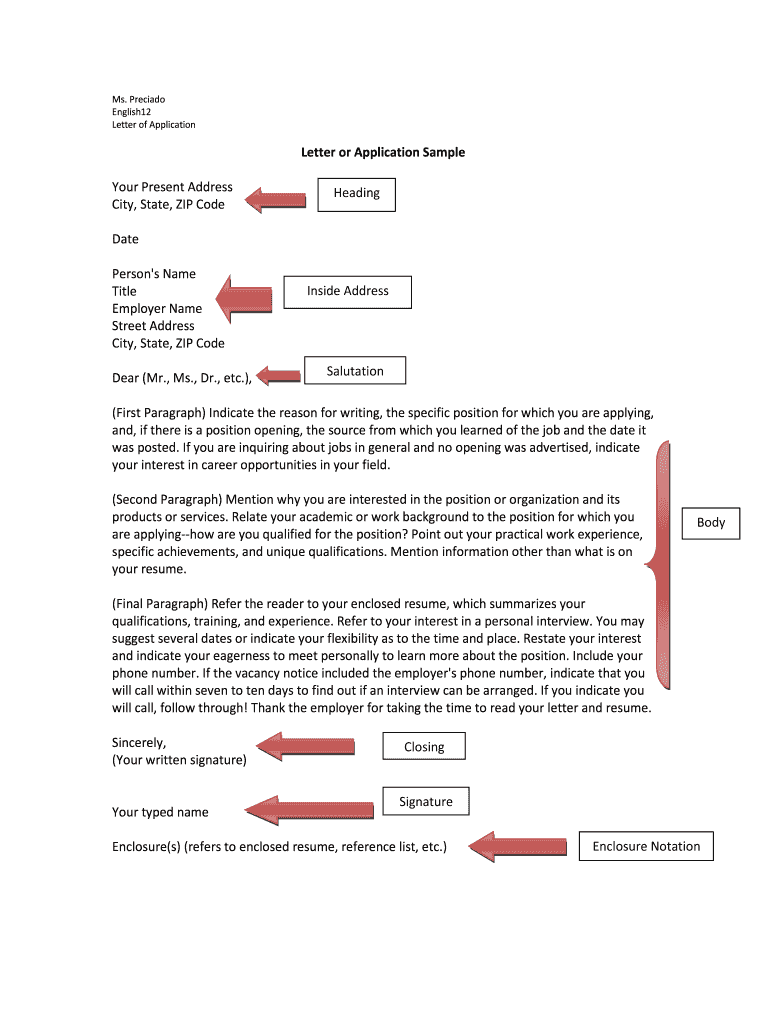
A business letter template is a pre-formatted document used to facilitate the creation of professional correspondence. It provides a structured layout that includes essential components such as the sender's address, recipient's address, subject line, salutation, body paragraphs, closing, and signature line. This template serves as a guideline for individuals and businesses alike, ensuring that their communications are clear, concise, and adhere to conventional business etiquette.
Importance of Using a Business Letter Template
Using a business letter template offers various advantages:
- Consistency: It ensures that all outgoing letters maintain a uniform appearance, enhancing the organization’s professional image.
- Time-Saving: Templates reduce the time spent on formatting and structure, allowing users to focus on the content of the letter.
- Clarity: A well-structured template provides a clear outline, which helps in conveying messages effectively.
Components Included in a Business Letter Template
A standard business letter template typically includes:
- Heading: Displays the sender's address and date.
- Recipient's Address: Specifies to whom the letter is directed.
- Salutation: A formal greeting, such as "Dear [Recipient's Name]."
- Body Paragraphs: Contains the main message, divided into clear, concise sections.
- Closing: Commonly used phrases, such as "Sincerely," followed by the sender's name and title.
How to Use the Business Letter Template
To effectively use a business letter template, follow these steps:
- Select the Appropriate Template: Identify the right template based on the purpose, whether it’s for a job application, complaint, or information request.
- Fill in Sender Information: Include your name, title, organization, address, and contact information at the top.
- Input Recipient Details: Enter the recipient's name, title, company, and address accurately.
- Personalize the Greeting: Use the recipient’s name in the salutation to establish a more personal connection.
- Write the Body: Clearly state your purpose, supporting details, and any relevant information using professional language.
- Finalize the Letter: Add a formal closing, your signature, and any additional enclosures if necessary.
Tips for Effective Usage
- Tailor the template content to your specific context, addressing any unique needs or points relevant to the recipient.
- Maintain an appropriate tone that reflects the relationship with the recipient, whether formal or semi-formal.
- Proofread before sending to ensure that there are no grammatical errors or typos.
Key Elements of the Business Letter Template
Essential components of a business letter template include:
- Date Line: The date when the letter is written; this is critical for record-keeping.
- Subject Line: A short phrase summarizing the matter of the letter.
- Body: Organized into sections to enhance readability, usually including an introduction, main content, and conclusion.
- Enclosures: Notations indicating any additional documents included with the letter, such as invoices or reports.
Importance of Each Element
- Date Line: Indicates the timeliness of the communication.
- Subject Line: Helps the recipient prioritize the letter.
- Body Structure: Aids in logic flow and clarity, which impacts the effectiveness of the communication.
- Enclosures: Provide context and additional resources that support the letter's message.
Who Typically Uses the Business Letter Template
A variety of professionals and organizations utilize business letter templates, including:
- Corporations: For internal communication or client correspondence.
- Small Businesses: To enhance their professional image when reaching out to clients or partners.
- Freelancers: To communicate with clients regarding services, agreements, or payments.
- Job Seekers: For writing cover letters, inquiries, or follow-ups to potential employers.


Examples of Use Cases
- A corporation sending a formal proposal to a potential partner.
- A small business complaining about a service or product.
- A freelancer following up with a client on project milestones.
Steps to Complete the Business Letter Template
To efficiently complete a business letter template, follow these structured steps:
- Select or Download the Template: Choose a template that fits the context of your letter.
- Customize Header Information: Insert your details and recipient details where required.
- Draft the Message: Start with an introduction, state your purpose, elaborate, and end with a conclusive statement.
- Review and Edit: Check for grammar, punctuation, and layout consistency.
- Send or Print: Depending on your medium, either email the letter or print it for physical delivery.
Tips for Streamlining the Process
- Utilize word processing features that allow for easy editing and formatting.
- Familiarize yourself with common phrases used in business correspondence to enhance professionalism.
- Keep a library of letter templates for various scenarios to save time in the future.
Legal Use of the Business Letter Template
Business letters may carry legal implications depending on their content and context. It is vital to understand the legal context in which these letters are used.
Reminders for Compliance
- Ensure clarity in the intentions expressed in the letter to avoid potential misinterpretations.
- Maintain an accurate record of any commitments made within the correspondence.
- When applicable, include references to laws or regulations that support claims made in the letter.
Importance of Legal Language
Using precise language helps to protect the interests of the sender and establish clear agreements or notifications, particularly in formal business transactions.
Examples of Using the Business Letter Template
Practical examples of business letter templates include:
Job Application Letter
This type of letter typically follows the template structure by detailing the applicant's experience and enthusiasm for the position, while also referencing attached resumes.
Complaint Letter
In a complaint letter, the sender should clearly outline the issue, provide context, and express a desired resolution, showing a need for professionalism and clarity.
Request for Information
When seeking information, it is essential to be direct and polite, providing background where necessary to assist in the recipient's response.
Each of these examples demonstrates how the structured format of a business letter template can enhance communication and effectiveness.




