
Client risk assessment template 2026

Get Form
client risk assessment template Preview on Page 1

Here's how it works

01. Edit your client risk assessment template online
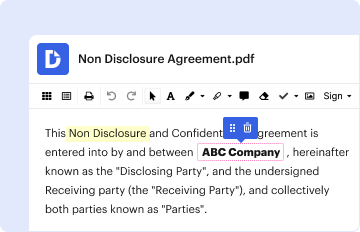
Type text, add images, blackout confidential details, add comments, highlights and more.
02. Sign it in a few clicks
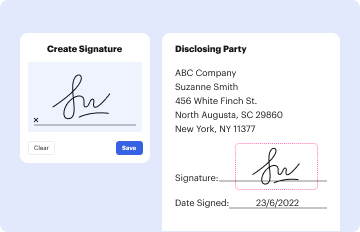
Draw your signature, type it, upload its image, or use your mobile device as a signature pad.
03. Share your form with others
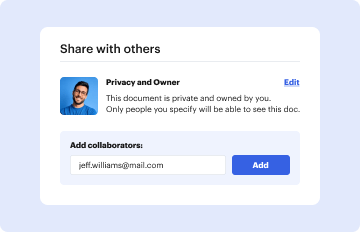
Send aml client risk assessment template via email, link, or fax. You can also download it, export it or print it out.

How to use or fill out client risk assessment template with our platform

Form edit decoration
9.5
Ease of Setup
DocHub User Ratings on G2
9.0
Ease of Use
DocHub User Ratings on G2
  1. Click ‘Get Form’ to open the client risk assessment template in the editor.
  2. Begin by entering the client's name and address at the top of the form. This information is crucial for identifying the individual being assessed.
  3. Fill in the date of assessment and the client's date of birth. This helps track when assessments are conducted and ensures compliance with age-related considerations.
  4. Assess medical conditions and physical capabilities by answering questions regarding mobility, pain, and cooperation. Use 'Yes' or 'No' options as applicable, providing details where necessary.
  5. Evaluate the risk level associated with assisting the client without equipment by selecting HIGH, MEDIUM, or LOW RISK based on your observations.
  6. Complete sections B and C regarding specific tasks and equipment details. Ensure all staff involved sign off on their understanding of the handling plan.

Start using our platform today to streamline your document editing and ensure efficient completion of your client risk assessments for free!

See more client risk assessment template versions

We've got more versions of the client risk assessment template form. Select the right client risk assessment template version from the list and start editing it straight away!
Versions Form popularity Fillable & printable
2011 4.8 Satisfied (34 Votes)
be ready to get more

Complete this form in 5 minutes or less

Get form

Got questions?

We have answers to the most popular questions from our customers. If you can't find an answer to your question, please contact us.
Contact us
The 4 Ps of risk assessmentPredict, Prevent, Prepare, and Protecttakes on a heightened significance in environments where the potential for severe and costly risks is ever-present. Effective risk assessment is paramount to ensure safety, operational continuity, and environmental responsibility.
The Health and Safety Executive (HSE) recommends following five actionable steps to conduct an effective risk assessment. Step 1: Identify Hazards. Step 2: Assess the Risks. Step 3: Control the Risks. Step 4: Record your Findings. Step 5: Review the Controls.
The risk assessment process has four distinctive and sequential stages, and social care practitioners should go through each of them with the individual. Understanding the persons circumstances. Identifying risks. Assessing impact and likelihood of risks. Managing risks risk enablement and planning.
The essentials for a successful risk assessment. Namely, Collaboration, Context, and Communication. These 3 components combine to form a more comprehensive risk assessment process that creates more favourable outcomes.
The key factors that help assess and identify customer risk profiles are: Industry. Transaction values. Types and volume of transactions. Types of products and services offered. Jurisdictions they operate in. Jurisdictions their customers are in. Third parties they deal with. Ownership and operation of these companies.

Security and compliance

At DocHub, your data security is our priority. We follow HIPAA, SOC2, GDPR, and other standards, so you can work on your documents with confidence.

Learn more
ccpa2
pci-dss
gdpr-compliance
hipaa
soc-compliance
be ready to get more

Complete this form in 5 minutes or less

Get form

People also ask

The assessment process typically includes the following steps: Collecting and verifying customer information. Profiling customers based on their behavior and transaction patterns. Identifying potential risks associated with each customer profile. Implementing measures to mitigate identified risks.
2. Steps needed to manage risk Identify hazards. Assess the risks. Control the risks. Record your findings. Review the controls.

customer aml risk assessment template excel