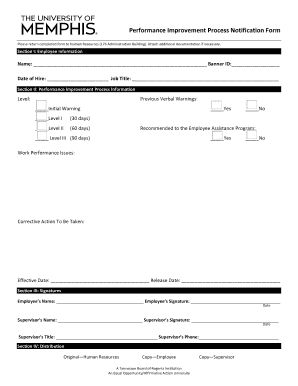
Understanding the Credit Facility Application
The credit facility application is a formal document used by businesses to request credit from financial institutions or suppliers. It is essential for companies that wish to establish a credit history and gain access to necessary funds for operations or growth. This form typically includes critical company information and financial details, which help lenders assess the creditworthiness of the applicant.
Key Information Required in the Application
Essential details that need to be provided in the credit facility application include:
-
Company Information: This section should contain the business name, address, contact details, and tax identification number. Lenders require accurate data to verify the business’s identity and legal standing.
-
Nature of Business: A description of the products or services offered by the company is necessary. This helps the lender understand the business model and its potential for generating revenue.
-
Financial Details: This includes the company’s annual revenue, existing debts, and any assets the company owns. Lenders analyze these figures to gauge the applicant's ability to repay borrowed funds.
-
Trade References: Prospective applicants are often asked to provide details about suppliers or other businesses they have credit relationships with. These references help lenders assess the company’s payment history and reliability.
How to Complete the Application Form
Filling out the credit facility application form correctly is vital for approval. Here are steps to ensure accuracy:
-
Gather Necessary Documents: Collect all relevant financial statements, business licenses, and identification proofs before starting the application. This preparation helps in providing the required information smoothly.
-
Fill Out the Form: Enter all mandatory fields precisely. Ensure company names are spelled correctly and that financial figures are up to date.
-
Review Information: Double-check the completed application for any errors or omissions. Mistakes can lead to delays or rejection of the request.
-
Submit the Application: Follow the submission guidelines provided by your lender, whether online or via mail. Ensure that you retain copies of your application for personal records.
Important Terms Relating to Credit Facility Applications
It is crucial to understand specific terminology associated with credit facilities:
-
Credit Facility: A type of loan or credit extended by a lender to a borrower, allowing them to withdraw funds up to a specified limit.
-
Collateral: An asset that a borrower pledges as security for a loan. Lenders may require collateral to reduce the risk of default.
-
Interest Rate: The cost of borrowing represented as a percentage of the loan amount, which can significantly affect repayment.
-
Credit Limit: The maximum amount of credit a lender extends to a borrower, which is determined based on creditworthiness and financial capability.
Who Typically Uses Credit Facility Applications?
Various business entities may utilize credit facility applications, including:
-
Startups: New businesses often seek credit facilities to fund initial operations and cover startup costs.
-
Small and Medium Enterprises (SMEs): Established SMEs may apply for credit to manage cash flow fluctuations or finance expansion.
-
Corporations: Larger businesses often use credit facilities for strategic initiatives and large-scale projects.
Understanding the target audience for the credit facility application is important for tailoring requests to meet lender criteria.
Key Elements for Successful Credit Facility Applications
When preparing a credit facility application, focus on these critical components:
-
Clarity and Brevity: Present information concisely to enhance clarity and facilitate understanding. Avoid ambiguous language that may confuse the reviewer.
-
Truthfulness: Always provide accurate data, as misleading information can lead to rejection or future penalties.
-
Preparation of Supporting Documents: Ensure all relevant documentation is organized and presented along with the application to support the claims made.
Application Approval Process and Timelines
The approval process for a credit facility application may vary based on the lender's policies. Typically, it includes:
-
Initial Review: Lenders review the application for completeness and accuracy, which may take a few days.
-
Credit Assessment: Financial details are analyzed to evaluate the creditworthiness of the applicant; this may involve checking credit scores and financial ratios.
-
Decision Making: After the assessment, lenders determine whether to approve or deny the application. This may take anywhere from a few days to several weeks, depending on the complexity of the request.
Implications of Overdue Payments and Penalties
Businesses must understand the impact of overdue payments on their credit facility. Common implications include:
-
Interest Charges: Lenders may levy additional interest on overdue payments, compounding financial burdens.
-
Impact on Credit Score: Late payments can negatively affect a business's credit rating, which may hinder future lending opportunities.
-
Legal Actions: In extreme cases, consistent defaults may lead to legal measures taken by lenders to recover owed funds.
Maintaining financial discipline and adhering to payment schedules is crucial for preserving business credibility and ensuring ongoing access to credit facilities.