




01. Edit your one and same certificate format online
Type text, add images, blackout confidential details, add comments, highlights and more.

Type text, add images, blackout confidential details, add comments, highlights and more.

Draw your signature, type it, upload its image, or use your mobile device as a signature pad.

Send one and the same certificate via email, link, or fax. You can also download it, export it or print it out.
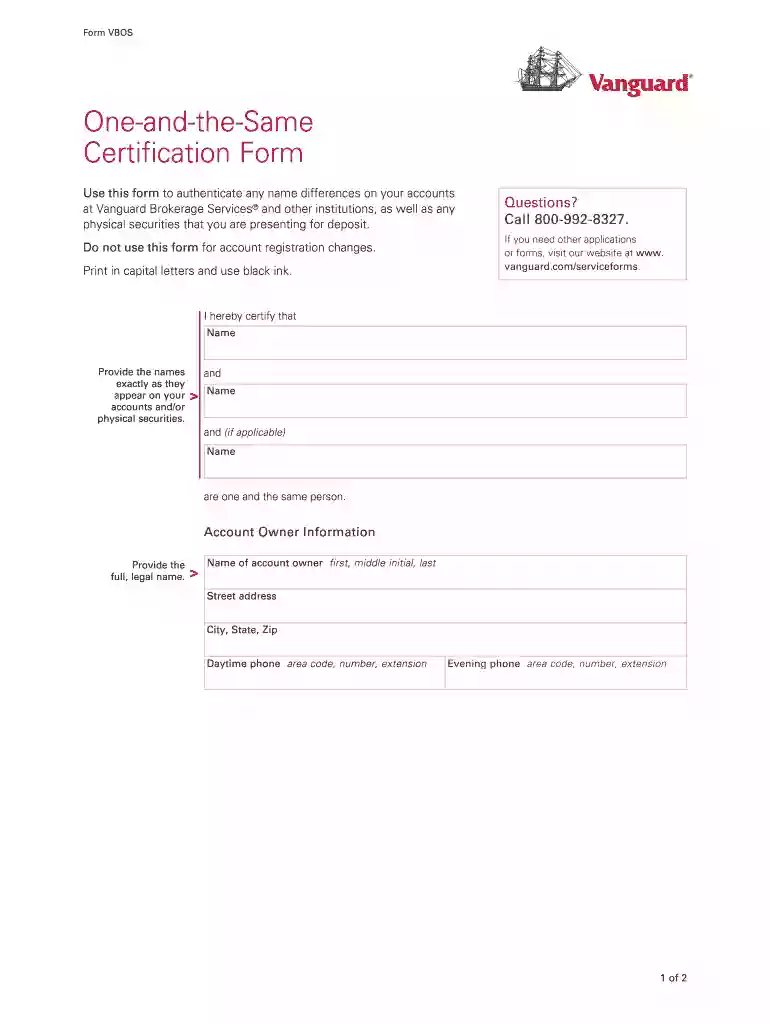
The one and same certificate format is a vital document used to establish that two or more names refer to the same individual or legal entity. This certificate is commonly required in various scenarios such as verifying identity during legal processes, financial transactions, or when an individual needs to affirm their identity for banking or credit purposes. Officially issued by government bodies or authorized officers, the one and same certificate format serves to clarify name discrepancies, such as maiden names, name changes due to marriage or divorce, or even clerical corrections.
Utilizing the one and same certificate format involves submitting it in scenarios where verification of identity or name discrepancy is necessary. Here are practical uses:
To effectively use this certificate, present it along with any required identification documents, ensuring that they align with the name cited in the one and same certificate.
Completing the one and same certificate format requires careful attention to detail to avoid discrepancies. Here are the steps involved:
Using the one and same certificate format is essential for clear legal and financial identification. Here are important reasons to utilize this document:
Several groups require the one and same certificate format, including:
Understanding the demographics who require this document can help in ensuring that the proper procedures for obtaining and using it are followed.


Be familiar with important terms often associated with the one and same certificate format to ensure clear understanding:
These terms are integral to grasping the context and requirements of the one and same certificate format.
The legal significance of the one and same certificate format cannot be understated. Here are key points regarding its use:
Understanding its legal implications highlights the document's necessity across different domains, particularly in the United States.
At DocHub, your data security is our priority. We follow HIPAA, SOC2, GDPR, and other standards, so you can work on your documents with confidence.
Introduction. Components of a Certificate. The Subject of the certificate denotes its owner. A Public Key is paired with a privately held key to link theRead more
Sample of Required Immigration document Certificate of Naturalization, Permanent Resident Card (PRC), Employment Authorization Card (EAC), and United StatesRead more
One and the Same Certificate Supporting documentation when the name on an ownership document does not match the signature. File size / Pages. 33KB ; 1 pg.Read more


