
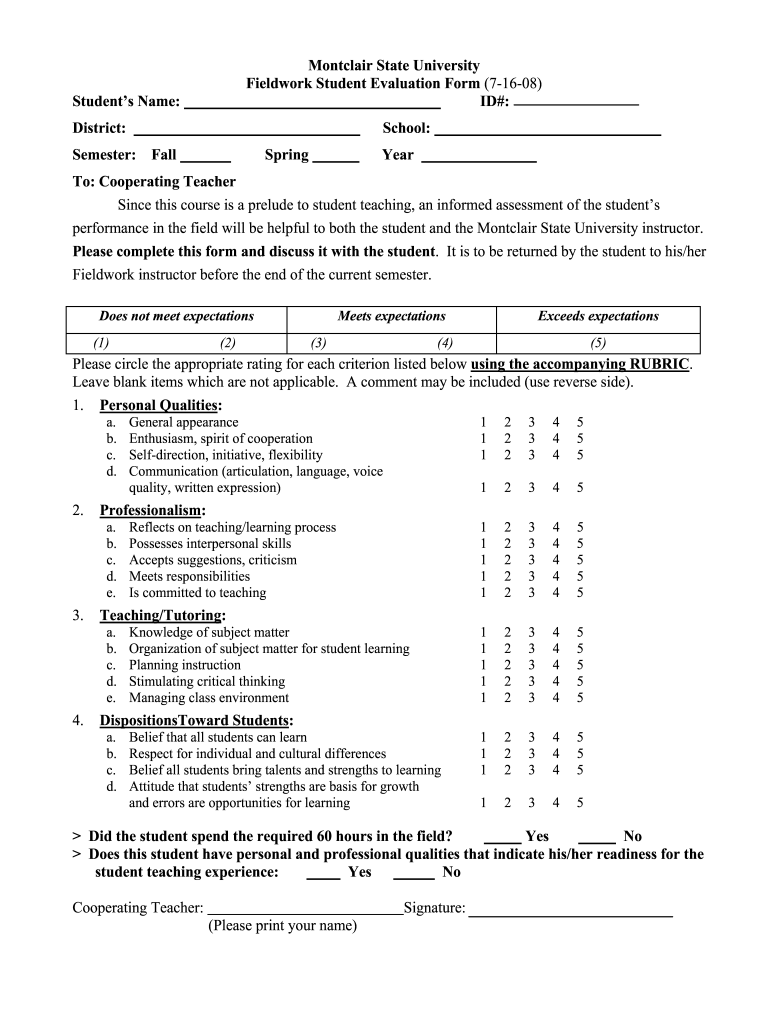







Definition and Meaning of the Teacher Evaluation Form by Supervisor
The teacher evaluation form by supervisor serves as a structured tool for assessing the effectiveness and performance of teachers within educational settings. It typically encompasses various criteria related to teaching practices, engagement with students, adherence to curriculum standards, and overall professional conduct. The importance of this evaluation process lies in its ability to provide constructive feedback aimed at enhancing teaching quality and student learning outcomes.
Essential components of the form may include:
- Performance Metrics: These can involve specific indicators such as lesson planning, classroom management, and instructional strategies.
- Rating Scale: Most forms adopt a numerical scale (often one to five) that quantifies performance levels, facilitating clearer assessments.
- Comments Section: This area allows supervisors to provide detailed feedback, highlighting strengths and areas for improvement, thus guiding professional development.
The evaluation process is beneficial not only for teachers in assessing their own effectiveness but also for school administrators and policymakers aiming to foster improved teaching practices across their institutions.
Key Elements of the Teacher Evaluation Form by Supervisor
Understanding the key elements of the teacher evaluation form by supervisor is critical to its effective use. These elements typically include:
- Evaluator Information: Details about the supervisor conducting the evaluation, including their name, position, and date of the evaluation.
- Teacher Information: Similarly, this section includes the teacher's name, subject taught, and grade level.
- Evaluation Criteria: A breakdown of specific areas of teaching effectiveness, such as pedagogical skills, classroom environment, and student outcomes.
- Rating System: A clear, articulated scale that allows for consistent evaluations across different teachers and subjects.
- Summary Comments: A section reserved for the supervisor’s overall impressions and recommendations for the teacher’s professional growth.
Each of these elements plays a vital role in creating an effective evaluation form that can guide both teaching practices and professional development initiatives.
Steps to Complete the Teacher Evaluation Form by Supervisor PDF
Completing the teacher evaluation form by supervisor requires a structured approach to ensure comprehensiveness and accuracy. Here are the steps to follow:
- Gather Necessary Information: Before starting the evaluation, ensure you have all relevant data about the teacher, including teaching materials and observations.
- Review Evaluation Criteria: Familiarize yourself with the specific criteria on the form to ensure targeted assessments.
- Observe Teaching Practices: Attend actual lessons to gain insight into the teacher’s instructional methods, engagement, and classroom management.
- Rate Each Criterion: Utilize the rating scale to assess each aspect of the teacher’s performance based on your observations and experience.
- Provide Comments: Utilize the comment sections to offer constructive feedback, focusing on strengths and areas needing improvement.
- Finalize the Document: Ensure all sections are completed accurately before saving the form as a PDF for record-keeping or sharing.
By following these steps, evaluators can facilitate a thorough and effective assessment process that supports teacher growth.
Who Typically Uses the Teacher Evaluation Form by Supervisor?
The teacher evaluation form by supervisor is primarily used by various stakeholders within the educational system, including:
- School Administrators: Principals and district administrators use these forms to evaluate teachers systematically, ensuring that teaching practices align with institutional standards.
- Department Heads: Subject or grade-level leaders can utilize the form to assess the effectiveness of teaching practices among their staff.
- Peer Evaluators: In some cases, fellow teachers may participate in evaluations to provide additional perspectives on teaching effectiveness.
- Human Resource Departments: HR professionals may use these evaluations to inform hiring decisions, promotions, and professional development opportunities based on teacher performance.
These diverse users all contribute to a more comprehensive evaluation process designed to enhance teaching standards and ultimately improve student outcomes.


Importance of the Teacher Evaluation Form by Supervisor
Utilizing the teacher evaluation form by supervisor is crucial for several reasons:
- Professional Development: The feedback provided allows teachers to identify areas for professional growth and engage in targeted development opportunities.
- Enhancing Student Learning: By ensuring high-quality teaching practices are recognized and supported, student learning outcomes can improve significantly.
- Accountability: The form establishes a system of accountability for teachers, ensuring they meet established professional and educational standards.
- Support for Administrators: Administrators can use the evaluations to make informed decisions regarding training needs, promotions, and staffing.
These factors underscore the vital role that structured evaluation forms play in fostering a culture of improvement and accountability within educational environments.
Examples of Using the Teacher Evaluation Form by Supervisor
Practical examples can illustrate how the teacher evaluation form by supervisor is applied in real-world settings:
- Annual Performance Reviews: Administrators often conduct yearly evaluations to assess overall teacher performance and set goals for the upcoming year.
- Mid-Year Check-Ins: Some schools may implement a mid-year evaluation process to identify early opportunities for improvement before the conclusion of the academic year.
- New Teacher Induction: For novice teachers, the evaluation form can serve as a roadmap, indicating critical areas for development that align with their teaching assignments.
- Professional Growth Plans: The feedback from the evaluation can directly inform individualized professional growth plans, providing a structured approach to ongoing teacher development.
These examples demonstrate the form's versatility and importance across various contexts within the educational landscape.




