






Definition and Purpose of a Dental Receipt
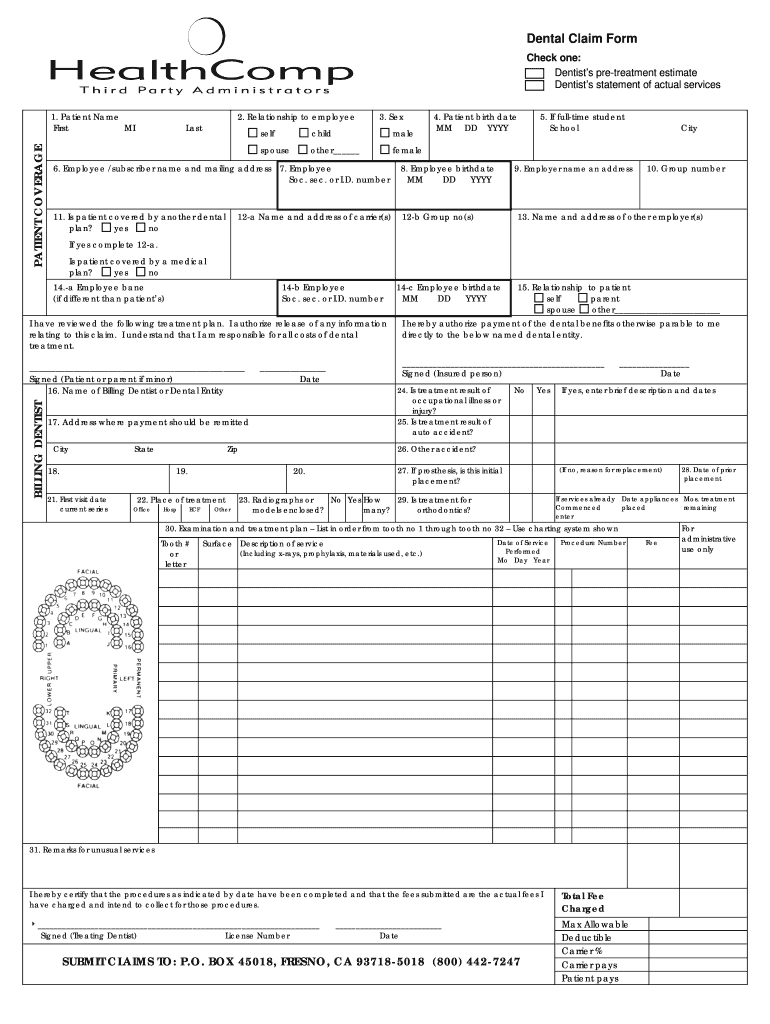
A dental receipt is an essential document that serves as proof of payment for dental services rendered. This itemized document provides detailed information about the treatments provided, allowing both the patient and dental provider to maintain accurate records for personal use, insurance claims, or tax purposes.
Key components often included in a dental receipt are:
- Provider Information: Name, address, and contact details of the dental practice.
- Patient Information: Name, contact details, and sometimes insurance information for the individual receiving treatment.
- Detailed Itemization of Services: Each service performed is listed, along with corresponding costs, ensuring clarity in billing.
Some variations of the dental receipt, such as a dental treatment receipt or a dental invoice, may feature similar elements but serve slightly different purposes, such as billing or record-keeping.
How to Use a Dental Receipt Effectively
Understanding how to utilize a dental receipt can maximize its benefits. The document can be employed in various scenarios, including:
- Insurance Claims: Patients can submit the receipt to their insurers for reimbursement purposes. The detailed breakdown helps in processing claims accurately.
- Tax Deductions: Dental expenses can sometimes be deducted on tax returns, making a dental receipt valuable for taxpayers who itemize deductions.
- Record-Keeping: Maintaining a dental receipt helps in tracking personal or family healthcare spending.
When using the receipt, ensure it is kept in a safe place and is easy to access for future reference.
Steps to Complete a Dental Receipt
Creating a dental receipt involves attention to several details. Here are the steps to follow:
- Collect Patient Information: Gather the patient’s name, contact details, and insurance information.
- List Services Rendered: Document each treatment provided, ensuring to include treatment dates, descriptions, and associated costs.
- Calculate Total Costs: Add up the costs of all services for a final total.
- Include Payment Details: Record the payment method used (cash, credit card, insurance) and the date of payment.
- Add Provider’s Signature: Sign the receipt to validate it and indicate it was issued by the dental practice.
These steps ensure the receipt provides comprehensive information, making it functional for both personal and professional use.
Key Elements of a Dental Receipt
A comprehensive dental receipt includes several critical elements that enhance its reliability and utility. Important components are:
- Header: Often featuring the dental practice's name and logo, the header establishes the document's origin.
- Date of Service: Clearly stating when the procedure was completed helps both parties keep accurate records.
- Itemized Billing: Each treatment listed with its cost prevents confusion and offers transparency in billing.
- Total Amount: A summary of the total cost due, indicating how much was paid or is owed.
- Payment Information: Information about how payment was made provides a clear record for both parties.
Including these elements ensures the receipt serves its purpose effectively and meets any necessary requirements for documentation.
Legal Use of the Dental Receipt
A dental receipt is not just a casual document; it carries legal weight in various contexts. Its importance can be highlighted in:
- Insurance Claims: For patients seeking reimbursement, a properly formatted dental receipt is often required by insurers to verify that services were rendered.
- Tax Documentation: Receipts can serve as proof for tax deductions on medical expenses as stipulated by IRS guidelines.
- Legal Disputes: In cases where treatment costs are contested, having a detailed receipt can support claims regarding the actual services rendered and payments made.
Understanding the legal implications enhances the precision with which a receipt is handled and preserved.
Variants of the Dental Receipt
In addition to the standard dental receipt, several variants exist that serve specific purposes. These include:
- Dental Invoice: Primarily issued for billing purposes, often sent to insurance companies or patients to request payment.
- Dental Billing Statement: Provides an overview of all services rendered and payments applied over a specified period, useful for tracking ongoing dental treatments.
- Itemized Dental Receipt: Offers a detailed layout of services, frequently required for insurance reconciliations.
Each variant provides options tailored to the specific needs of patients or dental practices, ensuring flexibility in documentation.
Digital vs. Paper Dental Receipts
When considering the format of dental receipts, both digital and paper versions have benefits:
- Digital Dental Receipts: These are convenient for storing and sharing, allowing patients to access receipts anytime via cloud storage or email. Digital records also reduce paper waste and improve organization.
- Paper Dental Receipts: Physical copies may be preferred for patients who like tangible documentation or in situations where digital access is limited.
Ultimately, the choice between digital and paper depends on personal preferences and particular circumstances, with each format serving valid purposes.
Examples of Using a Dental Receipt
Understanding practical applications of a dental receipt can improve its usage. Here are scenarios where it might be utilized:
- A patient submits a dental receipt to their insurance company after receiving an expensive treatment, providing proof of costs to receive reimbursement.
- During an audit, individuals use dental receipts as supportive documentation for health-related tax deductions, ensuring they meet IRS requirements.
- A dental practice reviews past receipts to analyze service demand and assess patient billing patterns, aiding in financial planning.
These examples demonstrate the varied functions that a dental receipt can fulfill, emphasizing its importance in both personal and professional contexts.