







Understanding the Medication Form for Daycare
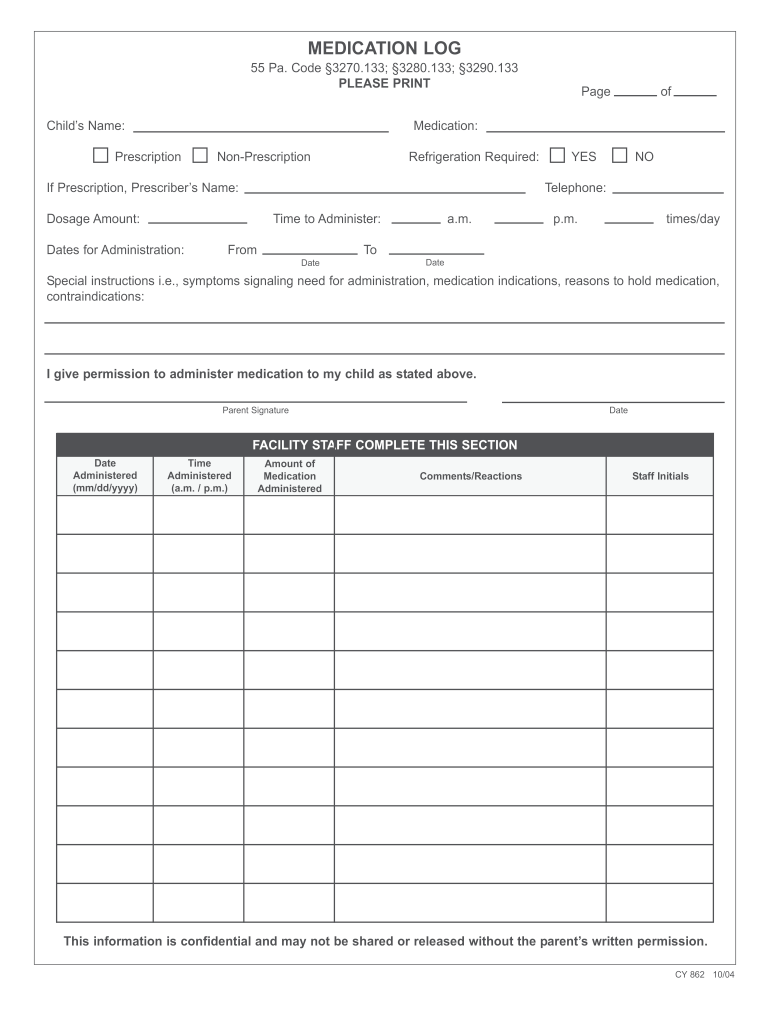
A medication form for daycare is a vital document designed for parents and childcare providers to ensure the safe and proper administration of medication to children in a daycare setting. Such forms are essential for documenting permissions and instructions related to medication administration, making them an indispensable part of childcare compliance and safety protocols.
Key Components of a Medication Administration Form
The medication form for daycare typically includes several crucial sections that capture all necessary information related to medication distribution. These sections include:
- Child's Information: The section requires the child's full name, date of birth, and any relevant medical history that could affect medication administration.
- Medication Details: This part includes the type of medication (prescription or over-the-counter), dosage, administration times, and any special instructions regarding the medication's usage.
- Parent/Guardian Authorization: This section mandates a signature from a parent or guardian, giving formal consent for the daycare staff to administer the specified medication.
- Facility Staff Documentation: A designated area for the daycare staff to record when the medication was administered, the amount given, and any observations or reactions from the child.
Steps to Complete the Medication Form for Daycare
Completing the medication form involves a few clear steps to ensure accuracy and compliance:
- Gather Required Information: Collect the child's personal details, medication specifics, and any pertinent medical information that should be known to the daycare providers.
- Fill Out the Form: Enter the gathered information into the appropriate sections of the medication form. Ensure every detail is clear and legible.
- Obtain Authorization: Have the parent or guardian sign the authorization section. This signature is critical as it legally permits the daycare to administer the medication.
- Submit the Form to the Daycare: Hand in the completed form to the daycare staff before the administration of any medication. This establishes a clear communication channel regarding the child's health needs.
Importance of Using a Medication Log
Keeping a medication log is crucial for tracking what medications have been administered. This log aids in:
- Preventing Errors: Documenting medication helps avoid mistakes in dosage or timing.
- Maintaining Communication: It creates a record for parents to see what medications their child has received and any reactions observed by the staff.
- Emergency Preparedness: In case of adverse reactions, a well-maintained log can provide vital information quickly.
Legal Considerations for Medication Administration in Daycare
Compliance with local and state regulations regarding medication administration in childcare settings is essential. Key legal aspects include:
- Parental Consent: Obtaining a signed permission to administer medication is not just best practice; it is often mandated by law to protect the daycare facility from liability.
- Record Keeping: Childcare providers must maintain accurate and thorough records of medications administered, as this may be subject to inspection by regulatory agencies.
- Thus, accurate forms and logs help safeguard the rights of children, caregivers, and parents alike.
Variations in Medication Administration Forms
Different childcare facilities may have variations of the medication administration form, but essential elements remain consistent. It is common to find:
- Specific Formats: Some daycares may utilize digital formats while others prefer paper.
- Additional Requirements: Some forms may include vaccine records, allergies, or pre-existing conditions that could impact medication administration.
Scenarios for Medication Needs
In practice, there are numerous situations where a medication form is essential, including:
- Chronic Conditions: Children with asthma or diabetes may require ongoing medication while at daycare.
- Short-Term Illnesses: If a child is prescribed antibiotics for a brief period, a medication form is necessary for the correct administration.
- Emergency Situations: In instances of allergies or other severe reactions, having proper documentation allows for quick action.
Summary of Best Practices
Maintaining high standards in medication management in daycare settings involves:
- Regularly reviewing forms for any updates or changes in a child's medication needs.
- Ensuring all staff members are trained on the proper procedures for administering medications, understanding emergency protocols, and the importance of accuracy in documentation.
- Engaging parents in discussions regarding their child's medication needs to promote transparency and trust between caregivers and families.
Following these best practices creates a foundation of safety and care, ensuring that children's health is prioritized while in daycare. Understanding the complexities and requirements surrounding a medication form for daycare helps contribute to the overall well-being of children in childcare settings.


