




Here's how it works
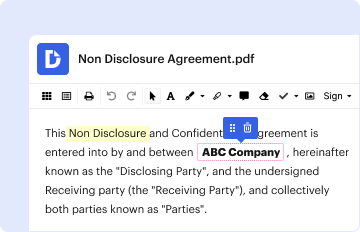
01. Edit your form online
Type text, add images, blackout confidential details, add comments, highlights and more.
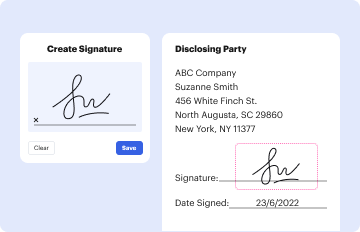
02. Sign it in a few clicks
Draw your signature, type it, upload its image, or use your mobile device as a signature pad.

03. Share your form with others
Send it via email, link, or fax. You can also download it, export it or print it out.
How to use or fill out da 2946 form with our platform

- Click ‘Get Form’ to open the DA 2946 form in the editor.
- Begin by entering your ID Code in the first field. This is essential for identification purposes.
- Next, fill in your Unit information. Ensure accuracy as this reflects your operational unit.
- Input the Date in YYYYMMDD format to document when the scorecard is completed.
- Proceed to record the Zero Leaf Sight and Zero Defilade Quadrant Sight Elevation values as required.
- In section 6, document the Record Fire Task Number and Time taken for each target, marking hits and misses accordingly.
- Calculate Total Points based on hits (10 points per hit) and enter them in Block 7.
- Finally, have the Grader and OIC initial and date their respective sections to validate the scorecard.
Start using our platform today to fill out your DA 2946 form online for free!
Fill out da 2946 form online
It's free
It's free
See more da 2946 form versions
We've got more versions of the da 2946 form form. Select the right da 2946 form version from the list and start editing it straight away!
| Versions | Form popularity | Fillable & printable |
|---|---|---|
| 2007 | 4.8 Satisfied (64 Votes) |
Got questions?
We have answers to the most popular questions from our customers. If you can't find an answer to your question, please contact us.
Contact us
What is ad hoc or situational telework?
Situational telework: A telework arrangement in which an employee is approved by a supervisor to telework on an ad-hoc/case-by-case and non-routine basis, where the hours teleworked are not part of a previously approved, ongoing, or regular telework schedule.
What is the difference between situational telework and regular telework?
There are three categories of telework in the Department: core (which means you telework on regular, scheduled basis for a certain number of days every pay period); situational (which means you telework when you have special project but not on a scheduled basis); and emergency or continuity of operations (COOP) (this
What are the two types of telework?
As stated earlier, there are two general types of telework: regular and situational. Regular telework is also referred to as recurring telework, because it occurs on a regularly scheduled basis. Regular telework is defined as occurring at least once in each two-week pay period.
What is the difference between recurring and frequent telework?
Frequent teleworkregular and recurring duties that may be performed at an approved telework site for more than 80 hours each month. Recurring teleworkrecurring work assignments performed at an approved telework site for 80 hours or less per month.
What are the different types of telework?
Regular telework is defined as occurring at least once in each two-week pay period. Regular telework requires a formal agreement. Situational telework is also referred to as ad hoc telework as it occurs on a non-routine basis. Employees may engage in ad hoc telework for various reasons.
Security and compliance
At DocHub, your data security is our priority. We follow HIPAA, SOC2, GDPR, and other standards, so you can work on your documents with confidence.
Learn more


People also ask
What is the new DoD telework policy?
DoD Components will terminate telework and remote work agreements for all DoD employees who work remotely or via telework within 50 miles of their Agency worksite. Employees must report full-time in person to their Agency worksite no later than 7 days from the date of this memorandum.
What is a DD form 2946?
Telework Agreement DD Form 2946 mandates an approved written agreement for any Federal employee who participates in telework. Every DoD telework participant must have a completed and approved DD Form 2946, regardless of whether telework is routine or situational.