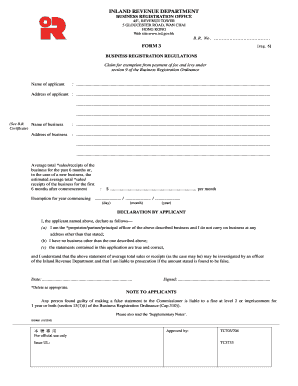
Definition & Meaning of a Remittance Voucher
A remittance voucher is a document used during the payment process to communicate payment details to the recipient, typically a government entity or service provider. It serves as both a receipt and notification of payment, ensuring that the funds can be accurately attributed to the correct account or tax obligation. For example, the CRA remittance voucher is necessary when submitting payments related to Canadian taxes, enabling proper record-keeping and application of payments towards the taxpayer's accounts.
Types of Remittance Vouchers
- Tax Remittance Voucher: Used for paying various taxes, including income tax, sales tax, and corporate taxes.
- Payroll Remittance Voucher: Specifically designed for employers to remit payroll deductions, such as income tax and contributions to social security and other government programs.
- GST/HST Remittance Voucher: Employed by businesses to report and remit Goods and Services Tax (GST) or Harmonized Sales Tax (HST).
Understanding the specific type of remittance voucher required for different payments ensures compliance with legal and reporting obligations.
How to Use a Remittance Voucher
The process for utilizing a remittance voucher generally involves a few straightforward steps:
-
Obtain the Voucher: Whether from a tax authority's website or through accounting software, acquire the appropriate remittance voucher.
-
Fill Out Required Information: Provide necessary information such as taxpayer identification numbers, payment amounts, and details about the tax or fee being remitted.
-
Make the Payment: Submit your payment either through an online portal or by mail. Ensure that you attach the completed remittance voucher as this connects the payment to your account.
-
Keep Copies: Retain copies of both the remittance voucher and any documentation related to the payment for your records and future reference.
Using the remittance voucher correctly expedites the processing of payments and prevents potential issues with misallocated funds.
How to Obtain the Remittance Voucher
Acquiring a remittance voucher hinges on the type of payment being made and the jurisdiction involved. Here are several ways to obtain a remittance voucher:
-
Online: Many tax authorities, like the Canada Revenue Agency (CRA), offer downloadable PDF versions of their remittance vouchers on their websites. This is often the most convenient option.
-
Accounting Software: Software solutions such as TurboTax or QuickBooks often provide built-in features to generate remittance vouchers automatically based on the data entered.
-
Request From a Tax Professional: If you work with an accountant or tax advisor, they can provide the necessary forms.
It is important to ensure that the most current version of the remittance voucher is used to avoid any compliance issues.
Steps to Complete the Remittance Voucher
Completing a remittance voucher involves several key areas of information. The following steps provide a comprehensive guide to filling it out:
-
Enter Your Information: Start with your full name, address, and taxpayer identification number, ensuring all details match the records held by the payment authority.
-
Specify the Payment Details: Clearly indicate the type of payment (e.g., GST, payroll taxes), the amount being remitted, and any associated invoice or account numbers.
-
Additional Information: If required, include any other details that help link the payment to your specific tax obligations, such as the reporting period for taxes owed.
-
Sign and Date: Ensure that the document is signed and dated where necessary, as this formalizes the submission.
-
Submit the Voucher: Send the voucher along with any payment through the chosen method—online, by mail, or in person.
Completing the voucher accurately is essential for ensuring that payments are credited appropriately and avoiding potential penalties.
Who Typically Uses the Remittance Voucher
Various entities utilize remittance vouchers depending on the nature of their obligations. Typical users include:
-
Individuals: Taxpayers submitting personal income taxes, including freelancers and contractors who may not have taxes withheld from their payments.
-
Businesses: Corporations and sole proprietors that need to remit payroll taxes or sales taxes regularly.
-
Non-Profit Organizations: These entities often have specific tax liabilities that require remittance vouchers for accurate reporting and compliance.
Understanding the diverse user base highlights the importance of the remittance voucher as a tool for compliance and accurate financial reporting.


Important Terms Related to the Remittance Voucher
Familiarizing yourself with the terminology linked to remittance vouchers can improve understanding and utilization:
-
Tax Identification Number (TIN): A unique number assigned to individuals and businesses for tax purposes.
-
Payment Amount: The total sum being remitted, which varies according to the tax applicable.
-
Filing Obligation: The requirement to submit remittance vouchers and accompanying payments by specified deadlines.
-
Audit Trail: A documented path following a payment from submission to completion, which is crucial for both tax authorities and taxpayers.
Understanding these terms helps in navigating the remittance process efficiently and ensures compliance with taxation laws.
Legal Use of the Remittance Voucher
The legal aspect of remittance vouchers involves adherence to government regulations and guidelines. Key points to consider include:
-
Compliance with Tax Laws: All remittances made through the voucher must comply with federal and state tax laws to avoid penalties.
-
Record Keeping: Maintain copies of remittance vouchers for several years, as required by various tax authorities, to ensure proper records in the event of an audit.
-
Electronic vs. Paper Submissions: While both methods are legally accepted, formatting and submission processes may vary between electronic and paper vouchers.
Recognizing the legal framework surrounding remittance vouchers promotes responsible and compliant fiscal behavior across all types of payments.
Filing Deadlines / Important Dates
Filing deadlines play a crucial role in the effective use of remittance vouchers. Common deadlines include:
-
Quarterly Payroll Tax Payments: Many employers must submit payroll tax remittances quarterly.
-
Estimated Tax Payments: Individuals and businesses may have to file estimated tax payments on specific deadlines throughout the year.
-
Annual Returns: The deadline for submitting annual returns often coincides with the remittance of taxes owed for the previous year.
Missing a deadline can result in penalties and interest on unpaid taxes, making awareness of these dates vital for compliance.