






Definition & Meaning of Rental Applications
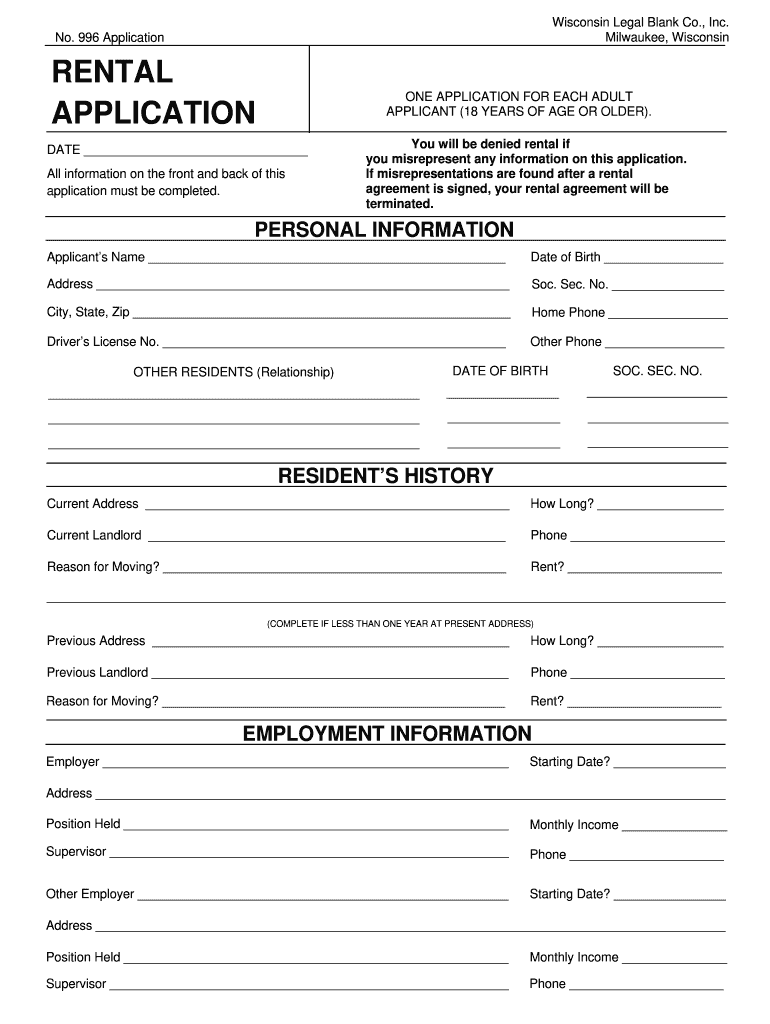
A rental application is a crucial document used by landlords to collect pertinent information from prospective tenants. This form typically requires applicants to provide a variety of personal details, including name, contact information, and social security number. It may also ask for an applicant's residential history, employment background, and credit references, allowing landlords to assess suitability for the rental property. Understanding the components of a rental application can help both tenants and landlords navigate the rental process more effectively.
- Personal Information: Most applications will require details such as full name, date of birth, and contact information.
- Rental History: Applicants must often provide their previous addresses, along with the names and contact details of previous landlords, to establish rental history.
- Employment Details: Many forms include sections for current and past employment to verify income stability.
These details are pivotal because they enable landlords to evaluate the reliability and responsibility of potential tenants. By compiling this information, landlords can better understand an applicant's capacity to meet financial obligations.
Key Elements of the Rental Application
Understanding the essential components of the rental application can streamline the application process for prospective tenants. Commonly included elements are:
- Identification: This includes basic details such as the applicant's full name, social security number, and contact information.
- Rental History: A detailed account of past residences, including landlord references, helps assess the applicant's reliability.
- Employment Information: Current and previous employment details support the evaluation of the applicant's income and reliability in meeting rental obligations.
- Financial Information: This section often requires proof of income through payslips or bank statements, allowing landlords to confirm the applicant's financial capability.
- Background Check Authorization: Many applications include a clause that permits landlords to conduct background checks, which may include credit history and criminal records.
Each of these components plays a vital role in determining whether an applicant is a good fit for the rental property, contributing to informed decision-making by landlords.
Steps to Complete the Rental Application
Completing a rental application is a straightforward process, but it requires attention to detail to ensure all required information is accurately provided. Here are the typical steps involved:
- Gather Required Documents: Before starting, collect necessary materials such as identification, proof of income, and any past rental agreements.
- Fill Out Personal Information: Start by providing identification details, including your full name, address, date of birth, and social security number.
- Detail Rental History: List all previous addresses, along with the names and contact information of previous landlords, ensuring accuracy.
- Include Employment Details: Provide current and past employment information, along with salary and employment verification documents.
- Review and Submit the Application: Once all sections are complete, review the application for accuracy and completeness before submitting it.
Careful completion of the rental application can enhance the chances of approval, as it demonstrates reliability and responsibility to potential landlords.
Important Terms Related to Rental Applications
Familiarity with terminology associated with rental applications can help applicants better navigate the leasing process. Key terms include:
- Application Fee: A fee charged by landlords to cover the costs of processing the application and conducting background checks.
- Security Deposit: A sum of money held by landlords as protection against potential damages or unpaid rent during the tenancy.
- Lease Agreement: A legal contract between the landlord and tenant outlining the terms of the rental arrangement, including payment details and rules.
- Guarantor: An individual who agrees to be responsible for the rent if the primary tenant fails to pay, often required for tenants with insufficient credit.
Understanding these terms not only aids in completing the rental application but also assists in comprehending the overall rental process.
Legal Use of the Rental Application
The rental application must be used lawfully to protect the rights of both tenants and landlords. This entails:
- Fair Housing Compliance: Landlords must adhere to federal, state, and local fair housing laws, ensuring no discrimination based on race, color, religion, sex, national origin, familial status, or disability.
- Data Protection: Respecting the privacy of the applicant’s personal information is crucial. Landlords should use the data solely for evaluating the rental application.
- Transparency: The application process should be clear about fees, terms, and conditions, allowing applicants to make informed decisions.
Proper legal usage of rental applications helps maintain professionalism and fairness in the landlord-tenant relationship.
Examples of Using the Rental Application
Real-world scenarios provide context for using rental applications effectively. Consider the following examples:
- Individual Seeking Apartment: A prospective tenant completes a rental application for a one-bedroom apartment, providing details of past rentals and employment to verify their ability to pay rent.
- Family Relocating: A family moving to a new city submits a rental application for a home, detailing their previous landlord’s contact information, references, and income verification to ensure they are viewed favorably.
- Student Housing Applications: A college student applies for rental housing near campus, often needing a guarantor due to limited income history, which may necessitate a different approach in completing the application.
Each scenario illustrates the various ways in which rental applications can serve fundamental roles in securing rental properties.
Who Typically Uses the Rental Application
Rental applications are utilized by various parties involved in the rental process, including:
- Landlords: They use applications to screen potential tenants, ensuring that they choose reliable individuals who are likely to fulfill rental agreements.
- Property Management Companies: These companies manage multiple properties and rely on rental applications to facilitate tenant selection and maintain occupancy rates.
- Tenants: Individuals or families seeking to rent residential properties must complete rental applications to present their qualifications to landlords.
Understanding who uses rental applications clarifies the importance of this document in the rental process, emphasizing its role in establishing a trustworthy landlord-tenant relationship.