




Here's how it works
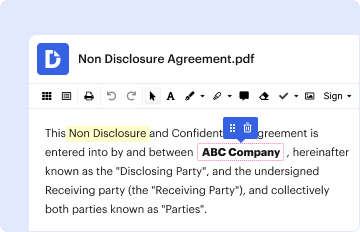
01. Edit your form online
Type text, add images, blackout confidential details, add comments, highlights and more.
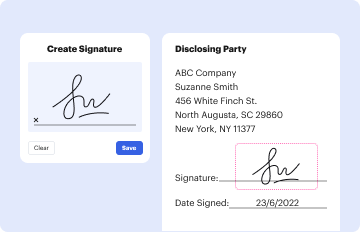
02. Sign it in a few clicks
Draw your signature, type it, upload its image, or use your mobile device as a signature pad.

03. Share your form with others
Send it via email, link, or fax. You can also download it, export it or print it out.
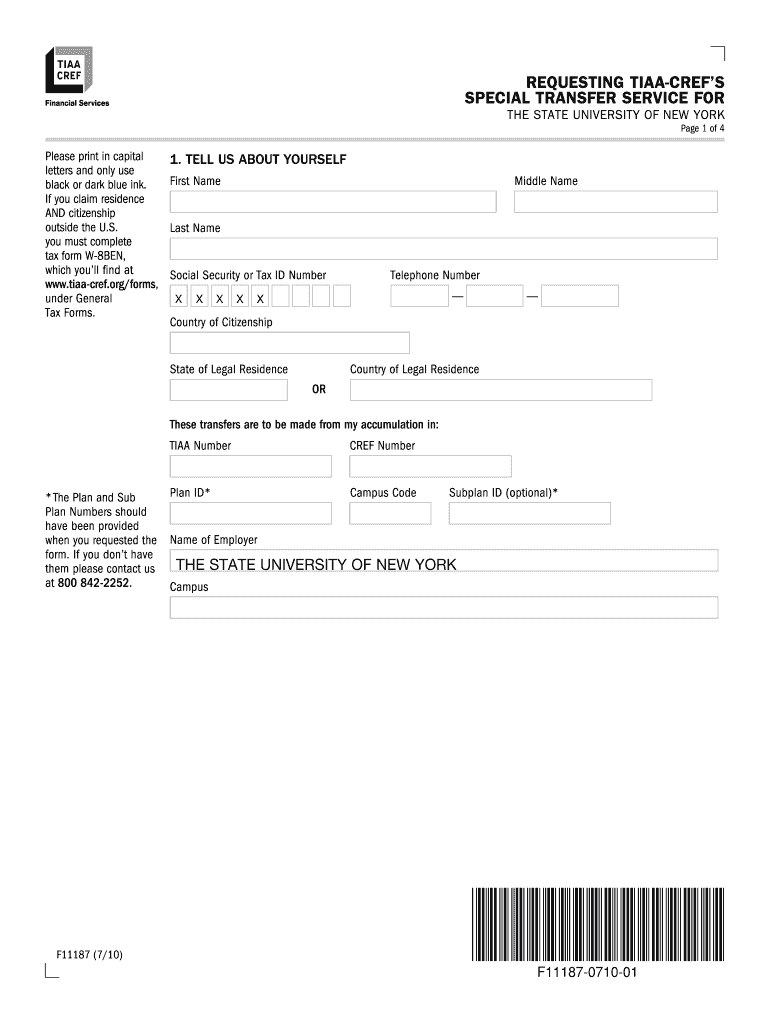
How to use or fill out The State University of New York Investment Options - TIAA with our platform

- Click ‘Get Form’ to open it in the editor.
- Begin by filling out your personal information in the 'Tell Us About Yourself' section. Include your first name, last name, Social Security number, and contact details.
- In the 'Requesting the Amount of Your Monthly Transfer' section, specify the fund numbers and names from which you wish to transfer amounts. Indicate either a dollar amount or a percentage for each fund.
- Sign and date your request in the 'Authorize Your Request' section. This authorizes TIAA-CREF to process your transfers as specified.
- If applicable, have a representative from the other company complete their acceptance section to finalize the transfer process.
- Review all entries for accuracy before submitting. Once completed, return your form by mailing it to TIAA-CREF at the provided address.
Start using our platform today for free to streamline your document editing and form completion!
Fill out The State University of New YorkInvestment Options - TIAA online
It's free
It's free
Got questions?
We have answers to the most popular questions from our customers. If you can't find an answer to your question, please contact us.
Contact us
What is the TIAA 4% rule?
ing to the 4% rule, you would withdraw a total of $40,000 in your first year of retirement. That $40,000 amounts to $3,333 per month to live on. A retiree following the 4% rule will typically withdraw the same dollar amount each subsequent year, adjusted only for inflation.
What is the 10 year rule for TIAA?
The general rule for RMDs is that a beneficiary must receive the entire inherited account within 10 years following the account holders death, commonly called the 10-year rule. If the beneficiary inherits from an account holder who dies on or after their RMD payment date, the beneficiary must also take RMDs during
What is the 10-year withdrawal rule?
One of the most significant mistakes you can make when managing your retirement accounts is failing to take the full Required Minimum Distribution (RMD) by the deadline. If you miss the deadlineDecember 31st of each yearyou may face a severe penalty, which can have a significant impact on your retirement savings.
What is the difference between a 401k and a TIAA?
In summary, the TIAA-CREF model is focused as a lifetime retirement income plan not as a simple accumulation vehicle. TIAA-CREF participants have access to account options that 401(k) participants generally do not.
What happens to TIAA when I retire?
You may start receiving income under the TIAA Traditional Transfer Payout Annuity at any age once you have terminated employment. This option allows you to take distributions from TIAA Traditional accumulations in the Basic Retirement Plan in annual installments over 9 years.
Security and compliance
At DocHub, your data security is our priority. We follow HIPAA, SOC2, GDPR, and other standards, so you can work on your documents with confidence.
Learn more


People also ask
What is the TIAA controversy?
On August 5, three Named Plaintiffs sued TIAA and Morningstar in the S.D.N.Y., claiming Defendants engaged in a scheme to enhance corporate profits by counseling participants to invest in two of TIAAs most lucrative investment vehicles. Plaintiffs target ERISA and non-ERISA plans.
What is the biggest RMD mistake?
It has paid over 11% during periods of high interest rates, but tends to lag market rates. It is considered a very suitable investment in older persons fixed-income asset allocation. You should probably leave it in place. If they were to develop a desperate need for more income, it could be annuitized until age 90.