



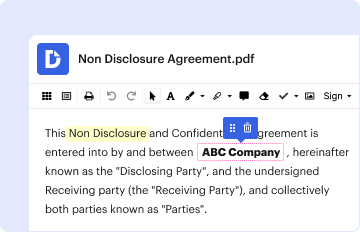
01. Edit your what is schedule d online
Type text, add images, blackout confidential details, add comments, highlights and more.

Type text, add images, blackout confidential details, add comments, highlights and more.
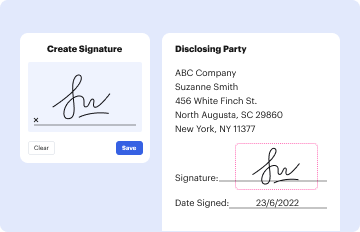
Draw your signature, type it, upload its image, or use your mobile device as a signature pad.

Send 1040 schedule d via email, link, or fax. You can also download it, export it or print it out.
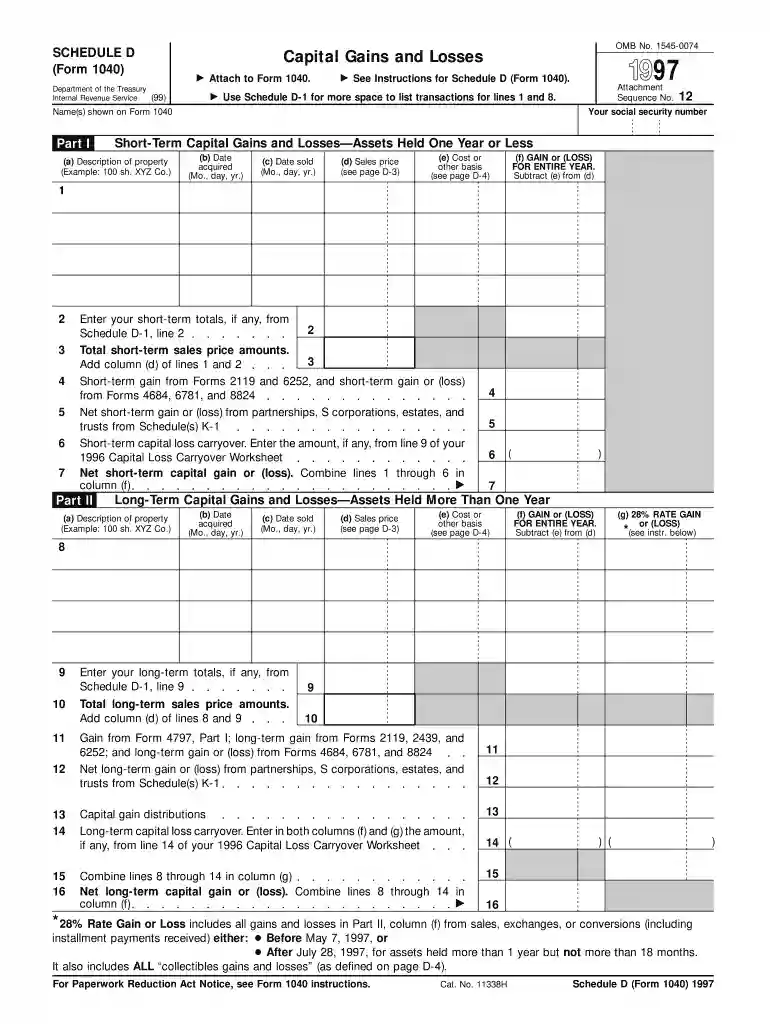
The 1997 Form 1040 (Schedule D) is a tax form used predominantly by individuals in the United States to report capital gains and losses from the sale of capital assets. These assets can include stocks, bonds, real estate, and other investment securities. The purpose of this form is to help taxpayers calculate their taxable capital gains or deductible capital losses, which ultimately affect their overall tax liability. Schedule D makes it easier to differentiate between short-term and long-term gains or losses, which are subject to different tax rates.
Using the 1997 Form 1040 (Schedule D) requires careful input of financial information to ensure accurate reporting of capital gains and losses. To correctly fill out this form, follow these steps:
The following procedural steps are necessary to accurately complete the 1997 Schedule D:
Schedule D consists of several crucial elements that taxpayers must understand:
The Internal Revenue Service (IRS) outlines specific guidelines to assist taxpayers in completing Schedule D accurately:
Schedule D allows for both electronic and paper submissions, offering flexibility in the filing process:
Failure to properly complete and submit the 1997 Form 1040 (Schedule D) can lead to severe penalties:
Different taxpayers, including individuals and businesses, may have unique scenarios when using Schedule D:


By following these guidelines and understanding the details of the 1997 Form 1040 (Schedule D), taxpayers can ensure accurate reporting and compliance with U.S. tax laws, effectively managing their capital gains and losses.
We've got more versions of the what is schedule d form. Select the right what is schedule d version from the list and start editing it straight away!
| Versions | Form popularity | Fillable & printable |
|---|---|---|
| 2025 | 4.1 Satisfied (26 Votes) | |
| 2024 | 4.2 Satisfied (58 Votes) | |
| 2023 | 4.1 Satisfied (28 Votes) | |
| 2022 | 4.5 Satisfied (56 Votes) | |
| 2021 | 4.9 Satisfied (24 Votes) | |
| 2020 | 4.4 Satisfied (80 Votes) | |
| 2019 | 4.3 Satisfied (168 Votes) | |
| 2018 | 3.9 Satisfied (48 Votes) | |
| 2017 | 4.2 Satisfied (53 Votes) | |
| 2016 | 4.2 Satisfied (39 Votes) | |
| 2015 | 4 Satisfied (22 Votes) | |
| 2014 | 4 Satisfied (59 Votes) | |
| 2013 | 4.3 Satisfied (33 Votes) | |
| 2012 | 4 Satisfied (29 Votes) | |
| 2011 | 4 Satisfied (20 Votes) |
At DocHub, your data security is our priority. We follow HIPAA, SOC2, GDPR, and other standards, so you can work on your documents with confidence.
Feb 14, 2020 adjustments, impairments and gains and losses upon disposition and the related tax impacts. Prior year periods were not restated as theRead more
The 1997 Taxpayer Relief Act replaced the 28% cap on long-term gains with a variety of rates. Example 1: 20% and 10% Rates.. . . . . . . 211. Example 2: 25%Read more
Short-Term Capital Gains and LossesAssets Held One Year or Less. (f) GAIN or It also includes ALL collectibles gains and losses (as defined on page D-4).Read more


