



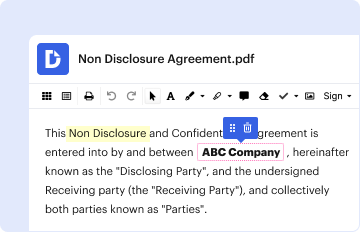
01. Edit your 2016 1120s online
Type text, add images, blackout confidential details, add comments, highlights and more.

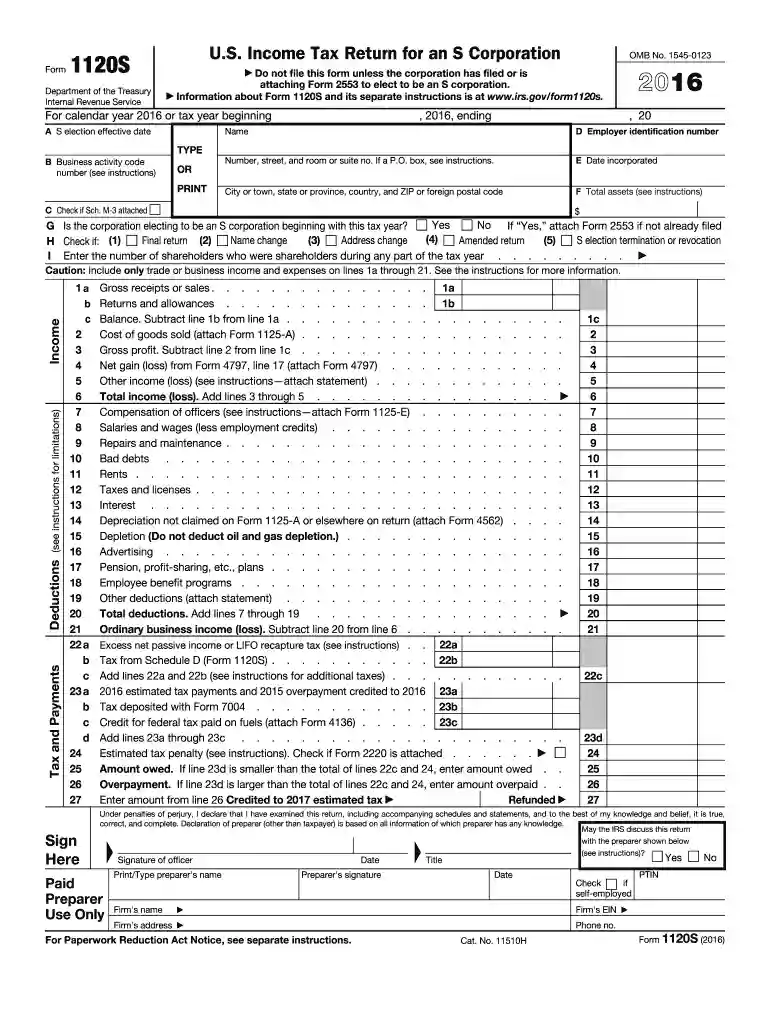
Type text, add images, blackout confidential details, add comments, highlights and more.
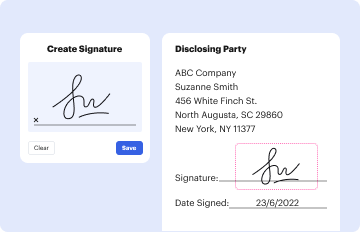
Draw your signature, type it, upload its image, or use your mobile device as a signature pad.
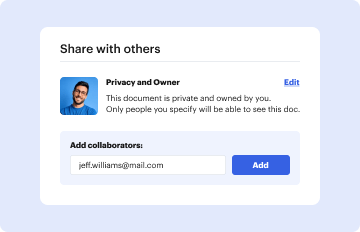
Send form 1120s 2016 via email, link, or fax. You can also download it, export it or print it out.
Form 1120S, U.S. Income Tax Return for an S Corporation, is issued by the IRS for 2016. It is a critical document for S corporations to report their income, losses, deductions, and credits. Unlike traditional corporations, S corporations pass income directly to shareholders to avoid double taxation. This form outlines the corporation's financial activities for the tax year and assists in fulfilling federal tax obligations.
Completing Form 1120S requires attention to detail and understanding of tax regulations.
S corporations must file Form 1120S by March 15 following the end of the tax year. If the corporation uses a fiscal year, submit the form by the 15th day of the third month after the fiscal year ends. Extensions can be requested using Form 7004, granting an additional six months to file.
When preparing Form 1120S, ensure the availability of:
Form 1120S can be submitted through several channels:
The IRS provides comprehensive instructions for Form 1120S, detailing specific line item requirements. Compliance with these guidelines ensures accurate filing and reduces the risk of penalties. The instructions include:
Failing to file Form 1120S on time or incorrectly reporting information can lead to penalties:
Form 1120S is specific to S corporations. Eligibility includes:
While Form 1120S applies federally, states may have unique rules:
Understanding the intricacies of Form 1120S is crucial for proper compliance and optimal tax strategy for small businesses operating as S corporations.
We've got more versions of the 2016 1120s form. Select the right 2016 1120s version from the list and start editing it straight away!
| Versions | Form popularity | Fillable & printable |
|---|---|---|
| 2024 | 4.8 Satisfied (41 Votes) | |
| 2023 | 4.6 Satisfied (60 Votes) | |
| 2022 | 4.1 Satisfied (39 Votes) | |
| 2021 | 4.9 Satisfied (39 Votes) | |
| 2020 | 4.3 Satisfied (174 Votes) | |
| 2019 | 4.2 Satisfied (47 Votes) | |
| 2018 | 4.3 Satisfied (81 Votes) | |
| 2017 | 4.2 Satisfied (110 Votes) | |
| 2016 | 4.4 Satisfied (321 Votes) | |
| 2015 | 4.2 Satisfied (41 Votes) | |
| 2014 | 4 Satisfied (46 Votes) | |
| 2013 | 4.1 Satisfied (47 Votes) | |
| 2012 | 3.7 Satisfied (31 Votes) | |
| 2011 | 4.4 Satisfied (38 Votes) | |
| 2010 | 4 Satisfied (23 Votes) |
At DocHub, your data security is our priority. We follow HIPAA, SOC2, GDPR, and other standards, so you can work on your documents with confidence.




Aug 7, 2025 Form 1120-S (Schedule B-1) Title Information on Certain Shareholders of an S Corporation, Revision Date 2016. Product Number Form 1120-S (Read more
Transcripts are only available for the following returns: Form 1040 series,. Form 1065, Form 1120, Form 1120-A, Form 1120-H, Form 1120-L, and Form 1120S.Read more
Jan 26, 2017 Tax Return, or Form 1120S, U.S. Income Tax. Return for an S Corporation. file an annual return for 2016 must file either. Form 5500EZ or FormRead more


