



01. Edit your dmv registration renewal form online
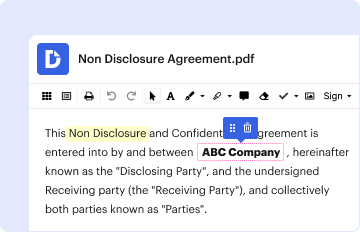
Type text, add images, blackout confidential details, add comments, highlights and more.

Type text, add images, blackout confidential details, add comments, highlights and more.
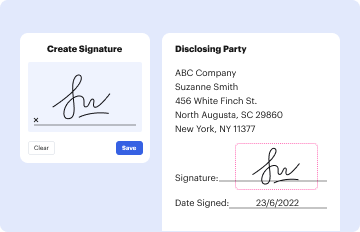
Draw your signature, type it, upload its image, or use your mobile device as a signature pad.

Send oregon dmv registration renewal form via email, link, or fax. You can also download it, export it or print it out.
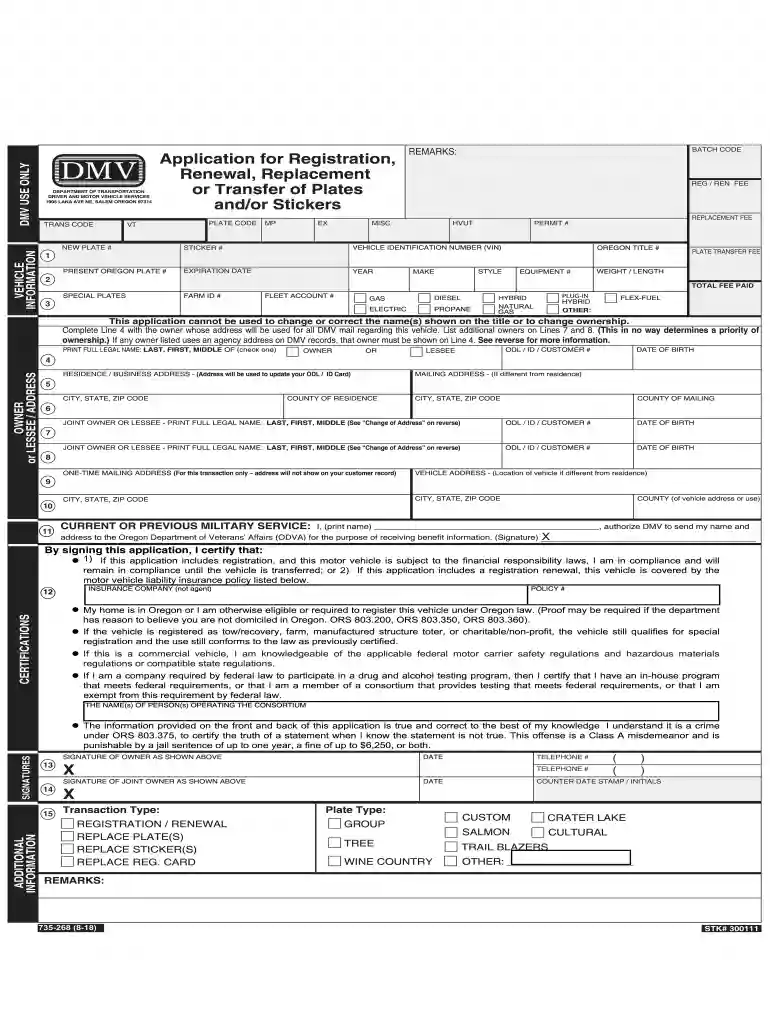
DMV Form 268 is a document specifically designed for vehicle registration processes, primarily used within the context of the Oregon DMV. This form serves several vital functions, including the registration, renewal, replacement, and transfer of vehicle plates and stickers. The information collected on this form includes essential details such as the vehicle identification number (VIN), the owner's information, and certifications of compliance with state laws. It is crucial to understand that this form cannot be used for ownership changes or to correct names on a vehicle title, which can lead to confusion if not explicitly stated.
Understanding the value of Form 268 helps users navigate the requirements effectively and ensures compliance with Oregon state regulations.
Completing DMV Form 268 requires attention to detail and adherence to specific instructions to ensure valid submission. The process can be broken down into several key steps to facilitate thorough and accurate completion.
Gather Required Information:
Fill Out the Form:
Review the Information:
Submit the Form:
Retain a Copy:
Careful adherence to these steps ensures that the DMV can process the application efficiently, reducing the chances of delays or the need for additional information.
There are several ways to obtain DMV Form 268, catering to different preferences and convenience levels for users seeking to register or renew their vehicle.
Online Access:
In-Person Request:
Mail Request:
By understanding these various methods, vehicle owners can easily acquire DMV Form 268 in a manner that best suits their situation.
Familiarizing oneself with terms related to DMV Form 268 can significantly enhance understanding and navigation of the registration process. Here are key terms to recognize:
Knowledge of these terms helps users to comprehend the form better and the broader vehicle registration framework.
DMV Form 268 has specific legal implications that govern its usage within the framework of vehicle registration in Oregon. Understanding these legalities is essential for compliant use.
Grasping the legal context surrounding Form 268 helps users understand the importance of accurate submissions and the potential consequences of non-compliance.
Many common inquiries arise regarding the submission process for DMV Form 268, each critical to ensuring proper compliance and understanding. Consider these insights:
Can I submit DMV Form 268 online?
What if I lost my vehicle registration renewal notice?
Is there a fee for processing DMV Form 268?
Addressing these types of questions can further facilitate an understanding of the form's practical application and processes involved.
We've got more versions of the dmv registration renewal form form. Select the right dmv registration renewal form version from the list and start editing it straight away!
At DocHub, your data security is our priority. We follow HIPAA, SOC2, GDPR, and other standards, so you can work on your documents with confidence.
STATE OF CALIFORNIA. ACCIDENT REPORT. (Other than Motor Vehicle). STD. 268 (Rev. 10/2019) Page 1 of 2. This report shall be completed and forwarded to theRead more
Complete all applicable areas. MAIL TO: DMV, 1905 Lana Ave NE, Salem OR 97314; or take to any DMV office. VEHICLE IDENTIFICATION NUMBER (VIN).Read more
The Manual is divided into sections stating Medi-Cal program requirements and regulatory/contractual standards to support you in providing high quality andRead more


