



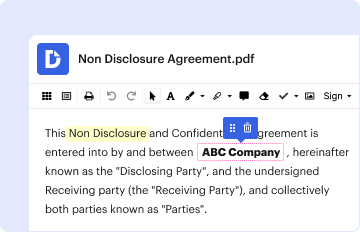
01. Edit your printable tractor checklist template online
Type text, add images, blackout confidential details, add comments, highlights and more.

Type text, add images, blackout confidential details, add comments, highlights and more.
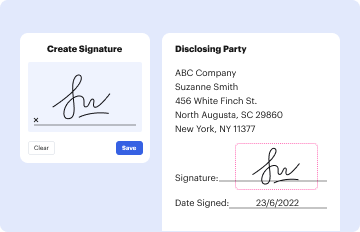
Draw your signature, type it, upload its image, or use your mobile device as a signature pad.

Send printable tractor maintenance checklist template via email, link, or fax. You can also download it, export it or print it out.
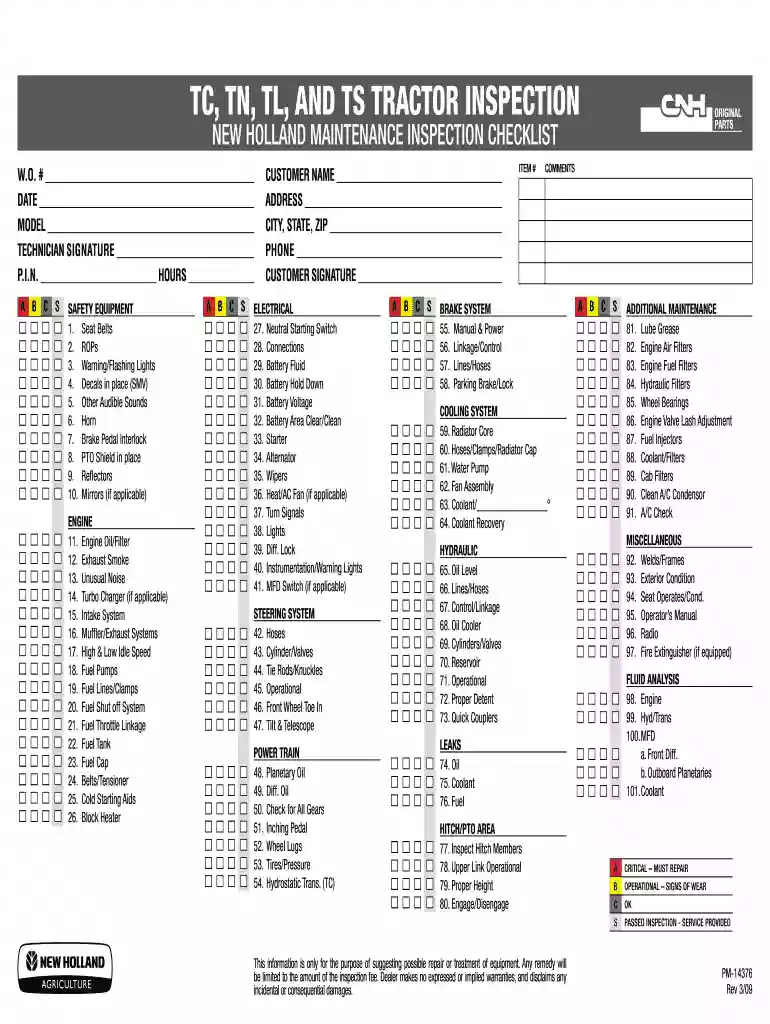
A tractor inspection checklist PDF serves as a crucial document for ensuring the proper maintenance and safety of agricultural equipment. It outlines specific steps that need to be taken to assess the condition of various tractor components, ensuring they are operational and safe for use. This checklist is particularly valuable for operators and technicians responsible for the upkeep and inspection of tractors, guaranteeing compliance with safety regulations.
A well-structured tractor inspection checklist includes several key sections to ensure thorough evaluation.
Implementing the tractor inspection checklist effectively involves several steps that can streamline the process and ensure consistency.
Using a printable tractor checklist template can enhance operational efficiency. Forms can be printed for field inspections, or they can be filled electronically, allowing for easy sharing and access across devices. A fillable format helps ensure that no critical details are omitted during inspections.
It is essential for operators to adhere to industry standards while using the tractor inspection checklist. Familiarizing oneself with state-specific safety regulations can help avoid potential penalties and ensure that all inspections satisfy necessary legal requirements.
Utilizing a tractor inspection checklist PDF serves as a best practice that not only enhances operational efficiency but also promotes the safety of both the operator and the equipment. Consistent use of the checklist, combined with proper documentation and adherence to industry standards, forms the backbone of responsible tractor maintenance.
We've got more versions of the printable tractor checklist template form. Select the right printable tractor checklist template version from the list and start editing it straight away!
| Versions | Form popularity | Fillable & printable |
|---|---|---|
| 2009 | 4.8 Satisfied (296 Votes) |
Microsoft Word doesn’t have signing tools to generate valid eSignatures and enforceable documents. Fortunately, DocHub is an online eSignature-compliant editor that works with different document formats, including .doc files. Sign in to your account and import the Word version of your tractor checklist template from your device and cloud, or URL - our editor will automatically transform it into an editable PDF. Make all necessary modifications in your document and click Sign to generate your own legally-binding electronic signature. You will find four signing methods from which to choose.
When you edit your tractor inspection checklist with DocHub, you will not need to look for other software or services to sign it. An electronic signature is a component of DocHub’s substantial editing toolset, which allows you to implement changes in your form without jumping between platforms. Just complete your form, double-check the correctness of your data and put your electronic signature at the end to make it submission-ready in minutes.
At DocHub, your data security is our priority. We follow HIPAA, SOC2, GDPR, and other standards, so you can work on your documents with confidence.
Tractor Daily Inspection Checklist. Before starting tractor: 1. Check all fluid levels. Engine oil. Coolant. Fuel. Hydraulic fluid. Other fluids.Read more
Jul 14, 2008 Once you have familiarized yourself with the Operators. Manual, completed the Operators checklist, properly attach the Powered Rake to yourRead more


