






Definition & Meaning of an Indictment Template
An indictment template is a structured document used in legal proceedings to formally accuse an individual or entity of criminal behavior. This document outlines specific charges against the accused, detailing the nature of the offense, relevant laws, and the facts that support the allegations. Indictments serve as a critical mechanism within the judicial system, ensuring that individuals are informed of the charges they face and providing a foundation for upcoming legal proceedings.
- Purpose: The primary purpose of an indictment is to present a clear summary of the allegations, ensuring that the accused understands the nature of their prosecution.
- Legal Significance: An indictment must follow specific legal standards, including the requirement that it must be based on probable cause determined by a grand jury in many jurisdictions.
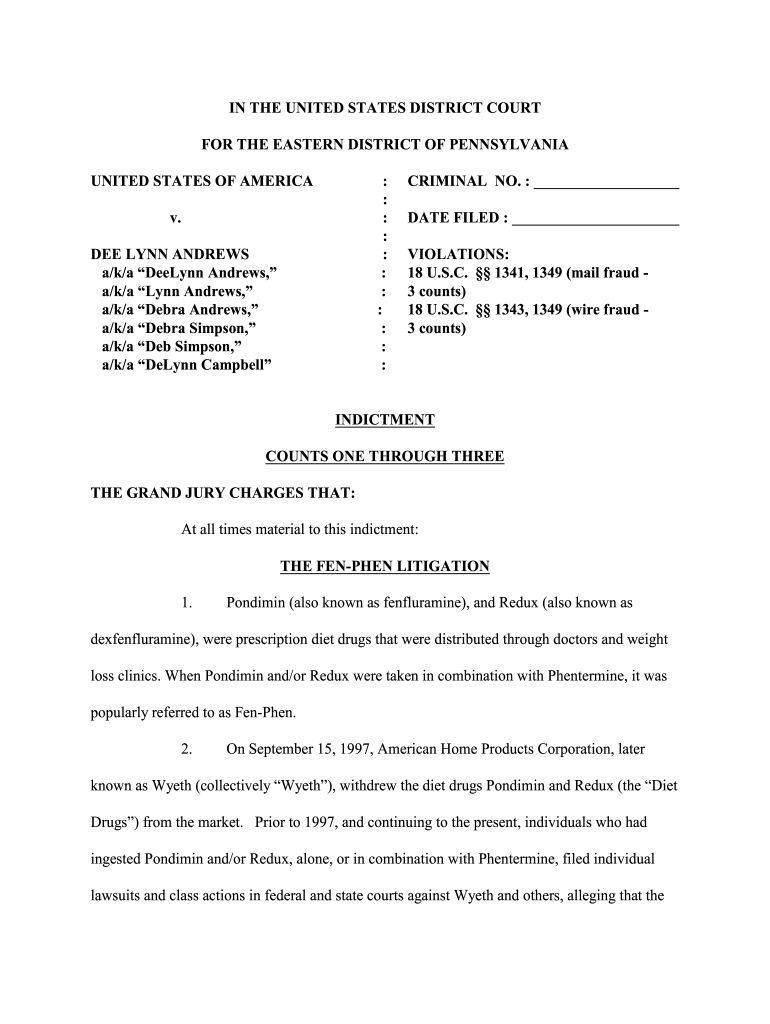
- Format: Although templates may vary, they typically include fields for case details, charges, jurisdiction, and the signatures of legal authorities.
Key Elements of the Indictment Template
The key elements of an indictment template are essential for ensuring that the document is legally sound and effective in communicating the charges against the individual. Each section of the template plays a critical role in the overall structure, making it easy to reference during legal proceedings.
- Case Title: This section includes the names of the parties involved and the case number for identification.
- Charges: Precise descriptions of the offenses, often stated using legal language. Each charge must be distinctly listed to avoid ambiguity.
- Facts Supporting Charges: A detailed account of the alleged criminal activities, outlining the evidence or circumstances that led to the indictment. This may include dates, locations, and the nature of the criminal conduct.
- Jurisdiction: This specifies the court's authority under which the indictment is issued. It is crucial for establishing where legal proceedings will take place.
- Signature Lines: The document needs to be signed by the prosecutor and a grand jury foreperson (if applicable) to validate the charges.
How to Use the Indictment Template
Utilizing an indictment template effectively involves several steps that ensure the document meets legal criteria and accurately reflects the charges being brought against an individual. Here's a general outline on how to proceed:
-
Preparation and Research: Gather all necessary information related to the case, including evidence, witness statements, and relevant legal statutes. Ensure that you understand the specific crimes being charged and their implications.
-
Fill in the Template: Start with the basic information such as the case title, names of the parties involved, and relevant jurisdiction. Then sequentially add the charges and supporting facts. Make sure to be clear and precise in your wording.
-
Review for Compliance: After drafting, review the document to ensure it adheres to local legal standards. This includes verifying that all required sections are included and that the language used is appropriate for formal legal documents.
-
Signatures: Ensure that the proper signatures are obtained. In many jurisdictions, a grand jury's approval is necessary before the indictment can be filed with the court.
-
Submission: Once completed and signed, file the indictment with the appropriate court, following any local procedures for submission.
Important Terms Related to Indictment Template
Understanding key terms associated with an indictment can enhance clarity and assist parties involved in the legal process. Here are some of the most relevant terms:
- Grand Jury: A body of citizens convened to evaluate evidence and determine whether there is sufficient cause to charge someone with a crime.
- Probable Cause: The legal standard used to determine whether law enforcement has sufficient reason to believe a crime has occurred or is occurring.
- Felony vs. Misdemeanor: Indictments can charge individuals with felonies (more serious offenses) or misdemeanors (less severe offenses).
- Bill of Indictment: A formal written accusation that initiates criminal proceedings against an individual.
Examples of Using the Indictment Template
Practical examples serve to illustrate the utility of an indictment template. Here are a few scenarios where these templates are frequently used:
-
White-Collar Crime: An indictment template may be utilized in cases of fraud, such as securities fraud, where a financial officer is accused of misleading investors.
-
Drug Offenses: In cases involving drug trafficking, an indictment might detail the accusations against individuals suspected of distributing illegal substances, including quantities and locations involved.
-
Violent Crimes: The template is also applicable in violent crime cases, specifying charges related to assault, robbery, or homicide. Each charge will detail the incidents leading up to the indictment.
In each of these examples, the indictment template serves as a foundation for laying out the government's case against the accused and guiding subsequent legal actions. These templates ensure consistency and thoroughness in the indictment process.