
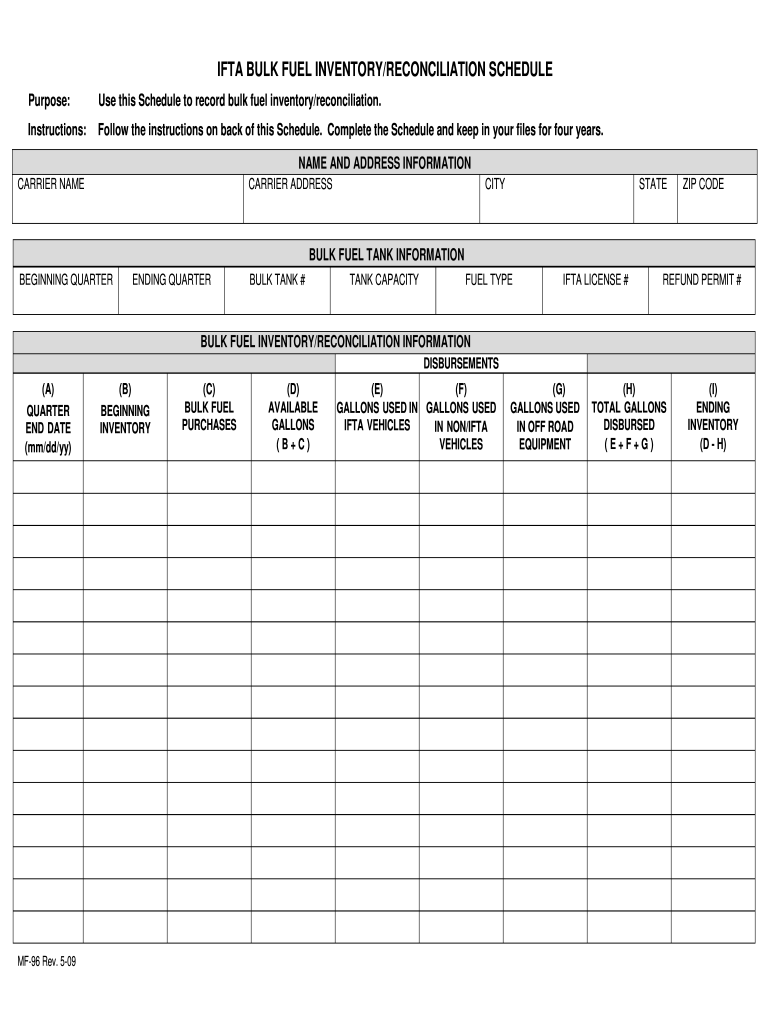







Understanding the Gas Station Daily Sales Report Excel Template
The gas station daily sales report Excel template is a critical tool for managing daily operations and tracking sales performance. This template guides gas station owners and operators in recording essential data like fuel sales, convenience store transactions, inventory levels, and customer traffic. By utilizing this template, users can streamline their daily reporting process, ensuring accuracy and reliability in their financial records.
Key Components of the Gas Station Daily Sales Report
The structure of the daily sales report typically includes:
-
Sales Data:
- Total fuel sales by type (e.g., regular, premium, diesel)
- Convenience store sales broken down by category (snacks, beverages, automotive supplies)
- Payment method breakdown (cash, credit, debit)
-
Inventory Management:
- Current stock levels for different fuel types
- Inventory turnover rates, indicating how quickly products are sold
- Reorder alerts for key high-demand items
-
Operational Metrics:
- Customer traffic counts
- Fuel inventory reconciliation to detect discrepancies
- Profit margin analysis from various sales categories
Maintaining a comprehensive overview of these components allows gas station managers to make informed decisions based on daily performance.
Benefits of Using an Excel Spreadsheet for Reporting
Using an Excel spreadsheet for the gas station daily sales report offers several advantages:
-
Ease of Data Management:
- Users can easily input and manipulate data, providing flexibility in reporting format.
- Sorting and filtering capabilities help identify trends and anomalies quickly.
-
Enhanced Data Analysis:
- Built-in Excel functions like SUM, AVERAGE, and various charting tools facilitate visual data analysis.
- Users can create pivot tables to summarize complex data sets for deeper insights.
-
Customizability:
- The template can be tailored to fit specific operational needs, allowing for additional columns or categories as required.
- Users can save different versions of the report to track performance over time.
Leveraging these benefits can significantly enhance the operational efficiency of gas stations.
Best Practices for Maintaining Accurate Sales Reports
To maximize the utility of the gas station daily sales report, consider implementing these best practices:
-
Consistent Daily Entries:
- Encourage staff to enter sales data daily to maintain up-to-date records. This facilitates timely decision-making.
-
Regular Review and Reconciliation:
- Set aside time weekly or monthly to review the reports against physical inventory and bank deposits to ensure accuracy.
-
Training and Accountability:
- Provide staff training on the importance of accurate data entry and the implications of errors in financial reporting.
- Designate specific staff responsible for compiling and reviewing reports.
By adopting these practices, gas station operators can ensure the integrity of their sales data and improve overall management.
Utilizing the Template for Financial Projections
The gas station daily sales report Excel template can assist not just in tracking daily sales but also in forecasting future performance.
-
Historical Data Analysis:
- Analyzing sales trends from past reports can help in projecting future sales based on seasonal trends.
-
Budgeting:
- Operators can use historical sales data to create more accurate budgets and allocate resources effectively.
-
Identifying Growth Opportunities:
- Spotting correlations between sales data and external factors such as weather or holiday traffic can guide marketing strategies.
Using the sales report for financial projections ultimately aids in strategic planning and business growth.
Legal Compliance and Record Keeping
Maintaining accurate sales reports is essential not only for operational success but also for legal compliance.
-
Tax Reporting:
- Gas stations must keep detailed records for tax purposes, including sales figures, inventory values, and other financial metrics.
-
Audit Preparedness:
- Consistent and accurate reporting will ease the audit process and ensure that gasoline taxes and other regulatory requirements are met.
-
Retention Period:
- Records should typically be kept for at least four years to comply with IRS requirements and as a best practice for business operations.
By being diligent in record-keeping, gas station operators can avoid potential penalties and ensure smooth audits.
Examples of Using the Gas Station Daily Sales Report
Consider these practical scenarios for utilizing the gas station daily sales report:
-
Scenario One: Seasonal Sales Fluctuations:
- A gas station may notice increased sales during summer months due to vacation traffic. They can track this in the daily sales report to plan staffing and inventory needs.
-
Scenario Two: Promotional Impact Analysis:
- After launching a marketing campaign for a specific product, the daily sales report can help assess the effectiveness of the promotion based on increases in sales records.
-
Scenario Three: Identifying Shrinkage:
- Frequent discrepancies between sales data and physical inventory reported can help identify issues such as theft or mismanagement.
Implementing these scenarios using the gas station daily sales report template empowers operators to respond effectively to real-world situations.




