






Components of the Incident Command Tactical Worksheet
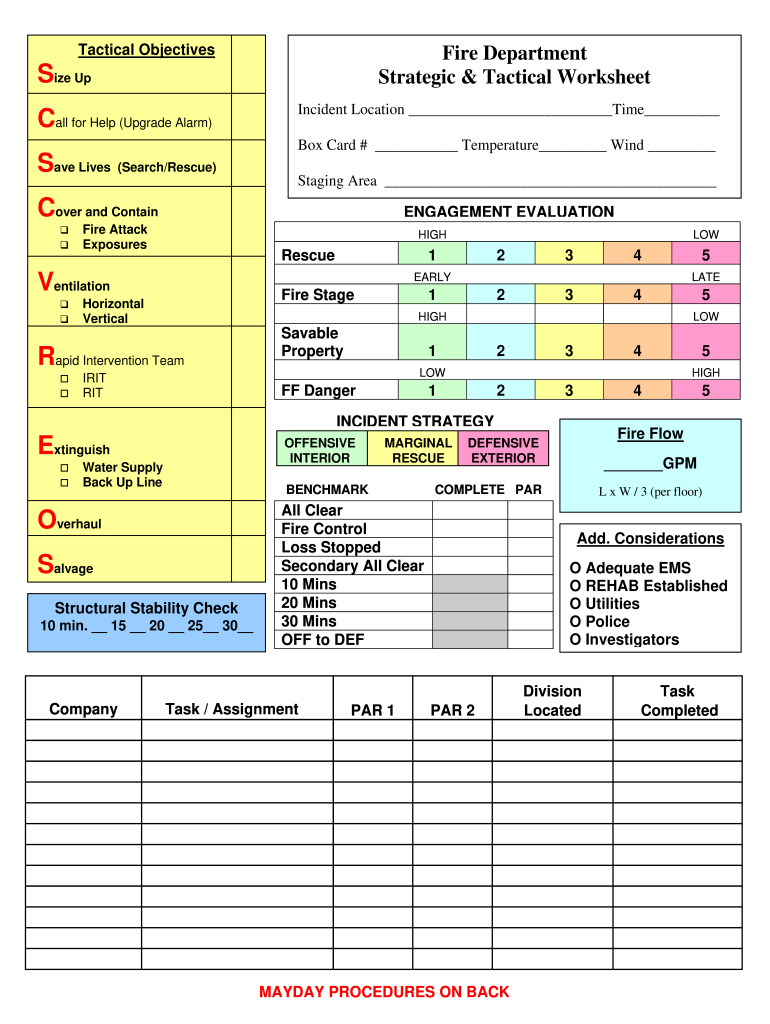
The incident command tactical worksheet is a structured tool used primarily by fire departments to enhance efficiency during emergency situations. This document outlines tactical objectives, procedures, and assessments crucial for coordinating efforts in fire incidents. Key sections include specific frameworks for strategic planning and response.
Importance of the Tactical Worksheet
The tactical worksheet serves as a foundational element in incident command systems, providing a structured approach to managing resources and ensuring effective communication among teams. Its significance lies in:
- Clarity in Communication: Standardized terminology and procedures that all team members understand.
- Resource Allocation: Clear insights into resource needs and deployment for optimal effectiveness in emergencies.
- Documentation for Future Reference: A record that can be reviewed post-incident for training and improvement.
Key Elements of the Tactical Worksheet
An effective incident command tactical worksheet typically includes several integral components, which are essential for managing incidents effectively:
- Size-Up Assessment: A section dedicated to quick evaluations of the incident site to determine immediate needs and hazards.
- Engagement Evaluation: Guidelines to evaluate the situation and decide on the best course of action considering risks and resources.
- Strategic Incident Plan: A framework that describes the overall strategy to address the incident, including objectives and specific tactics.
- Resource Status Board: A clear display of available personnel, equipment, and supplies needed for efficient operation.
Steps to Utilize the Incident Command Tactical Worksheet
- Initial Size-Up: Assess the situation to identify hazards, resource needs, and potential victim locations.
- Engagement Evaluation: Analyze the incident's complexity and risks to determine appropriate engagement strategies.
- Develop Incident Strategy: Formulate a tactical plan based on assessments, setting clear objectives for response efforts.
- Assign Roles and Resources: Designate tasks to team members based on expertise and available equipment.
- Monitor and Adjust: Continuously assess the situation and make necessary adjustments to tactics as the incident evolves.
Legal Use and Compliance
The use of an incident command tactical worksheet must adhere to various legal frameworks and safety protocols, including:
- OSHA Regulations: Ensuring workplace safety in hazardous environments according to federal guidelines.
- State and Local Guidelines: Compliance with regional policies governing emergency response procedures.
Examples of Tactical Worksheet Applications
Different scenarios can illustrate the tactical worksheet's utility:
- Structure Fire Response: Utilizing the worksheet to quickly outline the critical steps and resource allocations necessary for a residential fire incident.
- Wildland Fire Management: Adjusting the worksheet to account for expansive areas and differing resources when managing a wildfire.
- Hazardous Material Incidents: Incorporating additional assessment criteria to handle chemical spills or other dangerous materials effectively.
Digital Formats and Accessibility
The tactical worksheet can be made available in various formats, including:
- Printable PDF Versions: Enabling easy access and use during traditional incident responses.
- Digital Interactive Forms: Allowing real-time updates and collaborative input from multiple users, enhancing the responsiveness during incidents.
Transitioning to Electronic Document Management
Utilizing digital tools for managing the tactical worksheet streamlines the incident command process significantly. Fire departments can benefit from platforms that support:
- Secure Storage: Protect sensitive information with encryption and compliance standards.
- Collaborative Editing: Facilitate teamwork by allowing multiple users to contribute to the document in real time.
- Integration with Other Systems: Link the tactical worksheet with other emergency management tools for comprehensive operational oversight.
Variants and Related Worksheets
In addition to the incident command tactical worksheet, several related documents may be employed during fire responses. These include:
- Fireground Tactical Worksheet: A practical tool for frontline firefighters to assess conditions and resource needs on-site.
- Incident Command Checklist: A comprehensive list ensuring all required steps and protocols are followed during incidents.
Utilizing these various worksheets collectively enhances the overall effectiveness of incident management and ensures a thorough approach to tactical operations.