Definition and Importance of Physical Therapy Forms Template
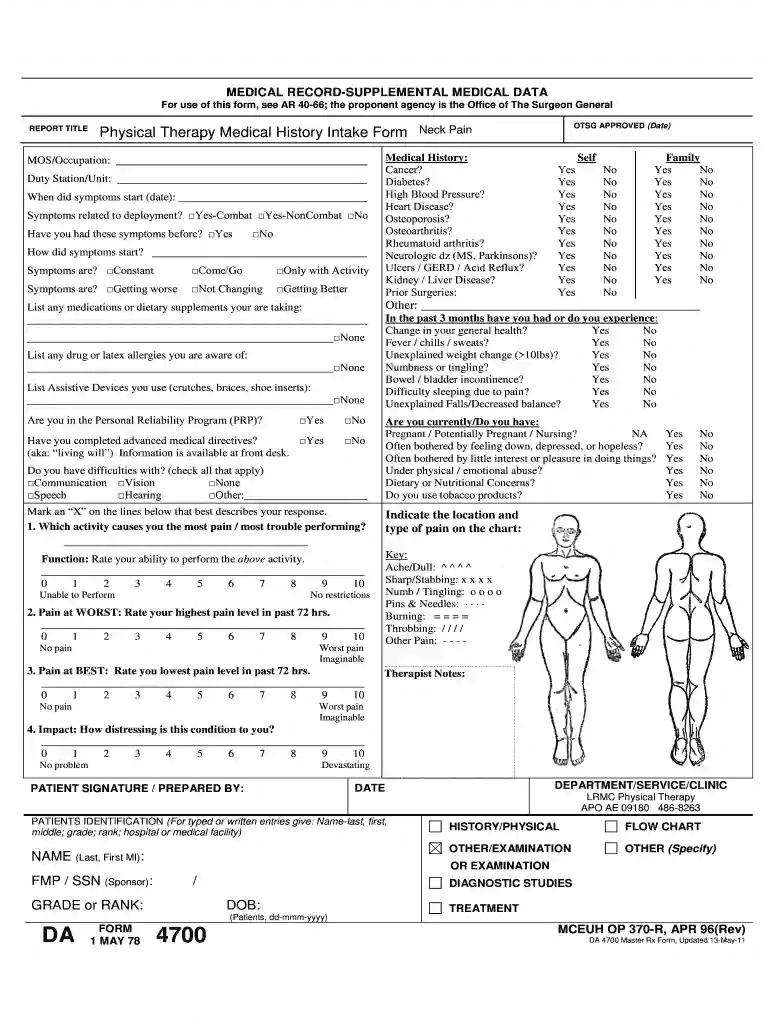
The physical therapy forms template serves as a standardized document designed to streamline the data collection and documentation process for physical therapists. This template typically includes sections for patient information, medical history, current symptoms, functional assessments, and treatment goals. Its structured format facilitates comprehensive patient evaluations, ensuring that all relevant information is captured efficiently.
Using a physical therapy forms template can significantly enhance treatment planning. It allows therapists to easily gather essential medical data, assess patients' conditions, and develop individualized treatment protocols. The uniformity of the template helps ensure that all necessary information is documented consistently, thus reducing the likelihood of missing critical details that can affect patient care.
Key Elements of the Physical Therapy Forms Template
- Patient Information: Collects essential demographics such as name, age, gender, and contact information.
- Medical History: Gathers detailed information on past illnesses, surgeries, and any existing medical conditions.
- Symptoms Assessment: Prompts patients to describe current symptoms, pain levels, and areas of discomfort, providing therapists with crucial diagnostic insight.
- Functional Capabilities: Includes questions about mobility, range of motion, and daily activities, allowing the physical therapist to evaluate limitations and set realistic goals.
- Treatment Goals: Enables both patient and therapist to define short-term and long-term objectives, ensuring a collaborative approach to rehabilitation.
How to Use the Physical Therapy Forms Template Effectively
Utilizing a physical therapy forms template involves several important steps to ensure accurate data collection and effective use in treatment planning.
- Preparation: Identify the specific template based on the information needed, such as a general intake form, a special assessment form for specific conditions, or a follow-up form.
- Completion: Instruct patients to fill out the forms thoroughly. Ensure they provide detailed answers, especially in sections regarding their medical history and current symptoms.
- Review: After collection, review the completed forms for completeness and accuracy. Discuss any unclear responses with the patient to clarify information.
- Integration: Use the filled-out template as a foundational tool to inform clinical assessments and treatment decisions. Incorporate the documented information into your electronic health records for continuity of care.
- Updates: Regularly update forms to reflect any changes in patient condition or treatment plans during subsequent visits.
Steps to Complete the Physical Therapy Forms Template
Completing a physical therapy forms template involves a systematic approach to ensure all necessary data is collected without omission.
- Personal Details: Begin with the patient's personal information, ensuring names and contact details are current.
- History Section: Guide patients to provide a detailed medical history, highlighting any previous injuries, surgeries, or ongoing health issues that could influence treatment.
- Symptoms Documentation:
- Describe symptoms in detail: Ask patients to indicate the location, frequency, intensity, and duration of pain or discomfort.
- Utilize scales, such as the Numeric Rating Scale (NRS), to quantify pain levels.
- Functional Assessment: Prompt patients to answer questions about their daily activities, noting any limitations they experience in movement or performing tasks.
- Treatment Goals: Encourage patients to articulate their personal rehabilitation goals, fostering a sense of ownership and motivation in their treatment plan.
Common Challenges and Solutions
- Incomplete Forms: Patients might skip sections; encourage full participation by explaining the importance of each segment.
- Discrepancies in Information: If data conflict arises, address these during the initial consultation to clarify and correct any misunderstandings.
Who Typically Uses the Physical Therapy Forms Template?
The physical therapy forms template is employed by a diverse range of individuals in the healthcare ecosystem, including:

- Physical Therapists: Primary users who rely on these forms to assess, plan, and document treatment strategies.
- Rehabilitation Clinics: Facilities often implement standardized templates to ensure consistency across patient documentation.
- Healthcare Administrators: Staff involved in managing patient records and ensuring compliance with healthcare regulations.
- Insurance Providers: Use the information from these forms to validate claims related to treatment coverage.
- Patients: Provide crucial feedback through these forms, enhancing therapist understanding of their conditions and progress.
Legal Use of the Physical Therapy Forms Template
Legal compliance and documentation accuracy are paramount in the healthcare industry. Using a physical therapy forms template appropriately ensures adherence to regulations, safeguarding both the patient and provider.
- Informed Consent: Ensure that the forms include sections that acquire necessary consents, particularly if sensitive information is collected or if treatment may involve risks.
- Compliance with HIPAA: Adhere to the Health Insurance Portability and Accountability Act (HIPAA) regulations, ensuring that all patient information is stored securely and accessed only by authorized personnel.
- Retention Requirements: Understand state-specific laws regarding document retention to maintain compliance and organizational integrity.
Examples of Using the Physical Therapy Forms Template
Creating a practical framework for your practice can be greatly enhanced by understanding various applications of the physical therapy forms template. Below are some scenarios:
- Initial Patient Evaluation: A clinic uses a standardized intake form that gathers comprehensive history and current health issues during a patient’s first visit.
- Post-Treatment Feedback: An outpatient clinic employs a follow-up form that evaluates the patient’s progress and adjusts treatment plans based on responses.
- Specialized Assessments: Specific templates can be designed for specialized treatment areas, such as pelvic floor therapy, requiring detailed subjective information from patients facing unique challenges.
Through careful application and customization of physical therapy forms templates, practitioners can create structured, informative, and effective patient interactions that lead to optimal rehabilitation outcomes.