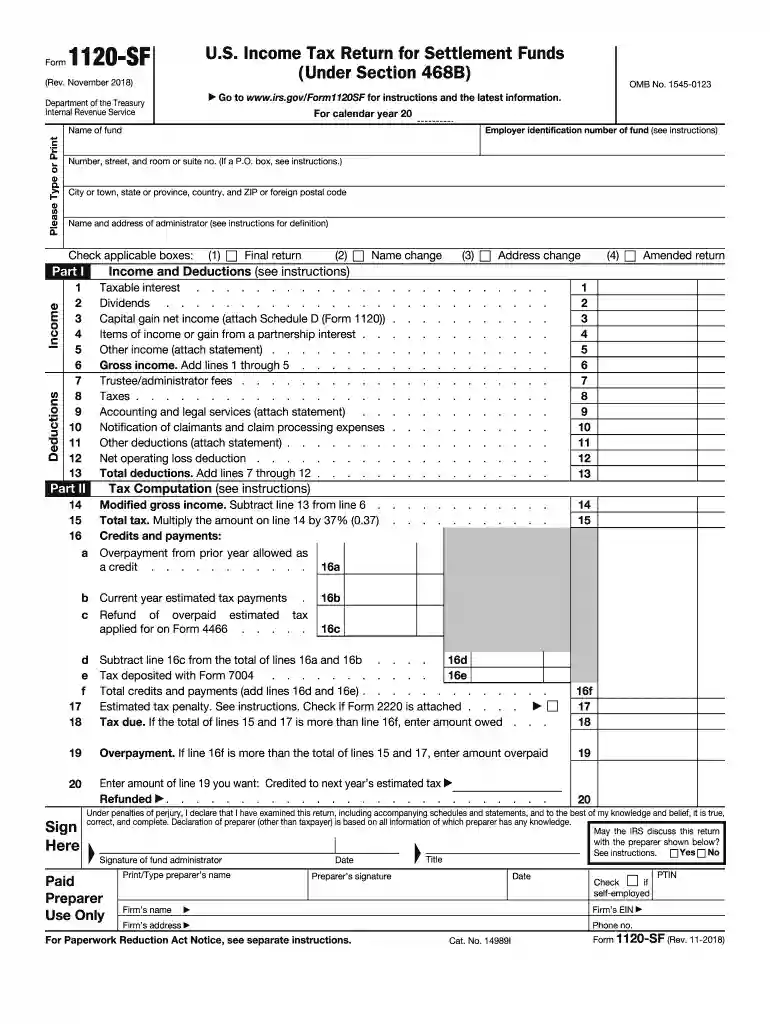
Definition and Purpose of the 1093 Tax Form
The 1093 tax form is a specific document used for reporting and compliance purposes within certain financial jurisdictions. This form is typically associated with specific tax events or obligations that require detailed reporting of financial activities. It plays a critical role in ensuring taxpayers meet their legal obligations, providing an official record that can be referenced by both the taxpayer and the relevant taxing authorities.
Functions of the 1093 Tax Form
- Compliance Documentation: Serves as an essential document for proving compliance with tax laws.
- Financial Reporting: Requires detailed reporting of specific financial activities, such as income, deductions, or adjustments.
- Audit Trail: Provides an audit trail for transactions or financial events that are significant for tax purposes.
Steps to Complete the 1093 Tax Form
Filling out the 1093 tax form requires accuracy and attention to detail to ensure compliance and avoid penalties. Here are the general steps you would follow:
- Gather Required Documents: Assemble all necessary documentation, such as financial statements or other relevant records.
- Personal and Taxpayer Information: Fill in personal details and basic taxpayer information, ensuring all entries are accurate.
- Financial Entries: Accurately enter the financial data pertinent to the specific financial event or activity being reported.
- Review and Verification: Carefully review all entered data for accuracy. Verify against original financial records.
- Submission: Submit the completed form through the appropriate channel, whether online, via mail, or in person as specified by the taxing authority.
Important Considerations
- Accuracy: Ensure all numerical entries are correct and correspond to underlying records to avoid discrepancies.
- Regulatory Compliance: Make sure all sections of the form are completed according to the guidelines provided by the IRS or appropriate authority.
How to Obtain the 1093 Tax Form
The 1093 tax form can be obtained through several methods:
- IRS Website: The most reliable source is directly downloading it from the IRS official website, ensuring you have the most current version.
- Tax Software: Access through tax preparation software that may have the form integrated into their database.
- Request by Mail: If preferred or necessary, a physical copy can be requested by contacting the IRS for a mail delivery.
Online Resources
- Many tax service providers offer downloads on their platforms, facilitating ease of access.
Filing Deadlines and Important Dates
It's crucial to adhere to specific filing deadlines to avoid penalties:
- Annual Deadline: Usually coincides with other tax filing deadlines, such as April 15 for federal income taxes.
- Extensions: If more time is needed, apply for an extension as per IRS guidelines, which must also be filed by a certain deadline.
- Notification of Changes: Stay informed about any changes in filing dates due to amendments in tax policy or unforeseen circumstances.
Examples of When to Use the 1093 Tax Form
Practical scenarios where the 1093 tax form is necessary:
- Legal Settlements: Reporting the receipt or disbursement of funds related to a legal settlement.
- Tax Adjustments: When accounting for specific tax adjustments that the form addresses.
Case Studies
- Example 1: A business facing a reporting requirement for funds received from a legal settlement needs to file this form to report the transaction accurately.
- Example 2: An individual needing to disclose adjustments related to particular tax deductions.
Key Elements of the 1093 Tax Form
The 1093 tax form comprises various sections, each serving a purpose for comprehensive reporting:
- Identification Information: Captures basic identity information such as name and taxpayer identification number.
- Financial Data: Sections designated for entering detailed income, deductions, or other financial information relevant to the form's purpose.
- Declaration: A final section where the filer certifies the accuracy of the information provided.
Detailed Elements
- Income Section: Specifies where to report taxable income.
- Deduction Section: Details for listing allowable deductions.
Legal Use of the 1093 Tax Form
The legal application of the 1093 tax form encompasses both reporting and compliance:
- Regulatory Compliance: Ensures all financial activities are reported as required by law.
- Record Keeping: Provides an official record that can be retrieved if audits or disputes arise.
Legal Implications
- Penalties for Non-Compliance: Failing to file correctly can lead to fines or further legal action.
- Proof of Compliance: A filed form serves as proof of compliance, protecting against potential legal issues.
Required Documents for Filing the 1093 Tax Form
To complete the 1093 tax form accurately, gather the following documents:
- Financial Records: Statements or records that detail the financial activities being reported.
- Identification Documents: A copy of your taxpayer ID or social security number.
- Supporting Documents: Any additional documentation that supports entries on the form, such as receipt copies or contracts.
Document Checklist
- Verify that all documents are current and reflect accurate data.
- Ensure documents are legible and comprehensible for easy cross-referencing.
Software Compatibility for the 1093 Tax Form
Filing the 1093 tax form can be performed digitally with the proper software solutions:
- TurboTax and QuickBooks: Common tax software that may support the 1093 form, offering features to automate data entry and submission.
- Document Management Systems: Platforms like DocHub that support various form-fillable formats, allowing for efficient editing and filing.
Benefits of Using Software
- Efficiency: Automates calculations and reduces the likelihood of errors.
- Integration: Complete and submit forms within a single software environment, often with cloud integration for storage and access.