




Understanding the Caregiver Contract PDF
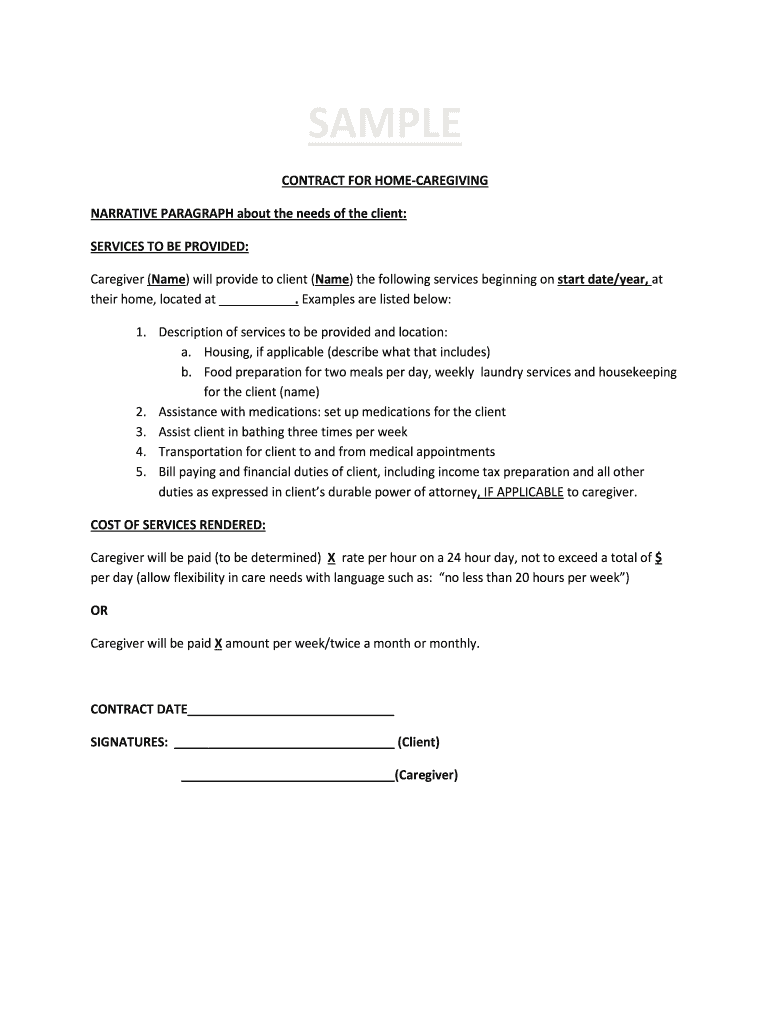
A caregiver contract PDF serves as a formal agreement detailing the responsibilities of caregivers and the needs of clients seeking home caregiving services. Typically, this document outlines specific services such as meal preparation, medication assistance, bathing, transportation to medical appointments, and management of financial duties. By specifying these elements clearly, both parties can ensure mutual understanding and commitment, reducing the potential for disputes.
Essential Components of a Caregiver Contract
A well-structured caregiver contract should include the following key elements:
- Identification of Parties: Clearly state the names and contact details of both the caregiver and the client, ensuring that there is no ambiguity about who is responsible for the tasks outlined.
- Scope of Services: Describe in detail the services to be provided by the caregiver. This may include personal care activities like bathing and dressing, household chores like cooking and cleaning, or medical-related tasks such as administering medication or coordinating doctor appointments.
- Payment Terms: Specify how much the caregiver will be paid, how often payments will be made (e.g., weekly, bi-weekly), and the accepted payment methods (cash, check, direct deposit).
Setting Expectations and Responsibilities
Having clear expectations documented helps mitigate misunderstandings. Key responsibilities typically delineated in a caregiver contract include:
-
Caregiver Duties:
- Daily living assistance (e.g., meal preparation, dressing)
- Transportation arrangements for appointments
- Medication management and reminders
-
Client Responsibilities:
- Providing all necessary information about the care needs.
- Ensuring timely payment for services rendered.
- Offering a suitable work environment and necessary supplies for the caregiver to perform their tasks effectively.
Flexibility and Modifications
Family and caregiver situations can change frequently, so it is essential to include provisions for modifying the contract. Considerations for change might include:
- Adjustments in the scope of services due to changing health needs.
- Updates to payment terms based on additional services rendered or changes in the caregiver’s availability.
- Procedures for giving notice for termination of the agreement by either party.
Legal Considerations
To ensure that the caregiver contract is legally binding, it should meet specific legal requirements, including:
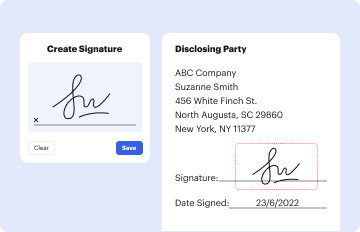
- Use of compliant signatures from all parties involved.
- Adhering to state laws regulating caregiver services and contracts.
- Consultation with legal professionals to ensure the contract's enforceability and clarity.
Advantages of Utilizing a Caregiver Contract
Using a caregiver contract PDF provides several advantages, including:
- Clarity for Both Parties: The contract explicitly details what is expected, helping prevent misunderstandings.
- Documented Evidence: In case of disputes, a signed contract serves as a legal document that can support claims.
- Professionalism: Establishing a formal agreement enhances trust between the caregiver and client, fostering a professional relationship.
In summary, a caregiver contract PDF is an essential tool for home caregiving arrangements. It ensures all parties understand their rights and responsibilities, providing a clear framework for caregiving services that can adapt to ongoing needs and changes.