Definition and Meaning of a Good Faith Estimate
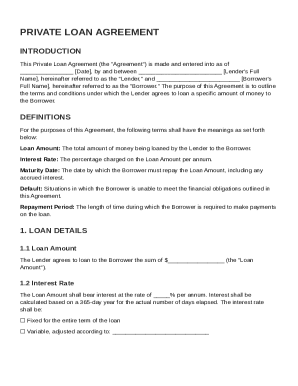
A good faith estimate (GFE) is a crucial document provided by lenders to prospective borrowers that outlines the estimated costs associated with a loan, particularly in real estate transactions. This document aims to inform borrowers about the financial implications of the loan, helping them to make informed decisions. A GFE typically includes the loan amount, interest rate, and details regarding the settlement charges such as origination fees, title insurance, and government recording fees. This transparency is mandated by the Real Estate Settlement Procedures Act (RESPA), reinforcing the importance of providing borrowers with clear and precise information.
Key Components of a Good Faith Estimate
- Loan Details: Essential information about the loan, including terms, principal amount, and interest rates.
- Itemized Fees: A breakdown of various costs involved in securing the loan, giving borrowers a detailed understanding of their financial obligations.
- Estimated Closing Costs: Offers an overview of additional costs that may arise during loan settlement.
- Government Recording Charges: Information regarding costs associated with recording the mortgage and title with local authorities.
How to Obtain a Good Faith Estimate
Obtaining a good faith estimate involves contacting a lender or mortgage broker. This step is essential for navigating the home's financing landscape. Potential borrowers must be prepared to provide basic personal and financial information to receive an accurate estimate.
Steps to Obtain a Good Faith Estimate
- Contact a Lender: Reach out to mortgage lenders or brokers for potential financing solutions.
- Provide Necessary Information: Share details such as income, employment history, and the intended loan amount.
- Review the GFE: Examine the good faith estimate for clarity on terms and fees, comparing it with offers from other lenders.
This process is vital to ensure you have a comprehensive understanding of the anticipated costs involved in a real estate transaction, allowing you to make sound decisions.
Key Elements of a Good Faith Estimate
The structure of a good faith estimate consists of several key elements that are integral to a borrower's understanding of their potential loan obligations. These elements provide clarity and transparency within the lending process.
Detailed Breakdown of Key Elements
- Loan Amount: Indicates the total amount being requested by the borrower.
- Interest Rate: The annual percentage rate that will apply to the borrowed funds, impacting monthly payments and overall costs.
- Monthly Payment Estimates: An estimated amount the borrower will pay monthly based on principal, interest, taxes, and insurance.
- Proration and Prepaid Charges: Any upfront fees that must be paid at closing, including property taxes and insurance.
By documenting these components, the GFE allows borrowers to weigh their options thoroughly, fostering more responsible lending practices.
Important Terms Related to the Good Faith Estimate
Understanding specific terminology associated with the good faith estimate can enhance a borrower's ability to digest the information and use it effectively in the loan process.
Common Terms to Know
- Closing Costs: Fees incurred during the finalization of the loan, which may include a variety of charges like title search fees and appraisal costs.
- Settlement Statement: A document that outlines all fees and charges related to the closing of the mortgage.
- LTV (Loan-To-Value Ratio): A financial term that expresses the ratio of a loan to the value of an asset purchased.
- Discount Points: Fees paid upfront to lower the interest rate of the loan, potentially saving money over the life of the loan.
Being familiar with these terms helps borrowers navigate the loan process with confidence, ensuring they are well-informed when making decisions.
Examples of Using a Good Faith Estimate
Real-world examples can illustrate how a good faith estimate is applied in various scenarios, enhancing understanding and practical usage.
Scenario-Based Illustrations
- Home Purchase: A first-time homebuyer receives a GFE outlining expected costs associated with buying a $300,000 home. The estimated closing costs are provided for budgeting purposes.
- Refinancing an Existing Loan: A homeowner looking to refinance their mortgage uses the GFE to compare the estimated costs associated with refinancing against their current mortgage payments to determine if it is financially beneficial.
- Investment Properties: An investor uses a GFE to evaluate multiple loan offers before committing to a financing option for a new rental property, ensuring they understand all potential costs involved.
These examples demonstrate how the good faith estimate can serve as a pivotal tool in various loan-related contexts, assisting in informed decision-making.