






Definition and Purpose of a Tenancy Agreement
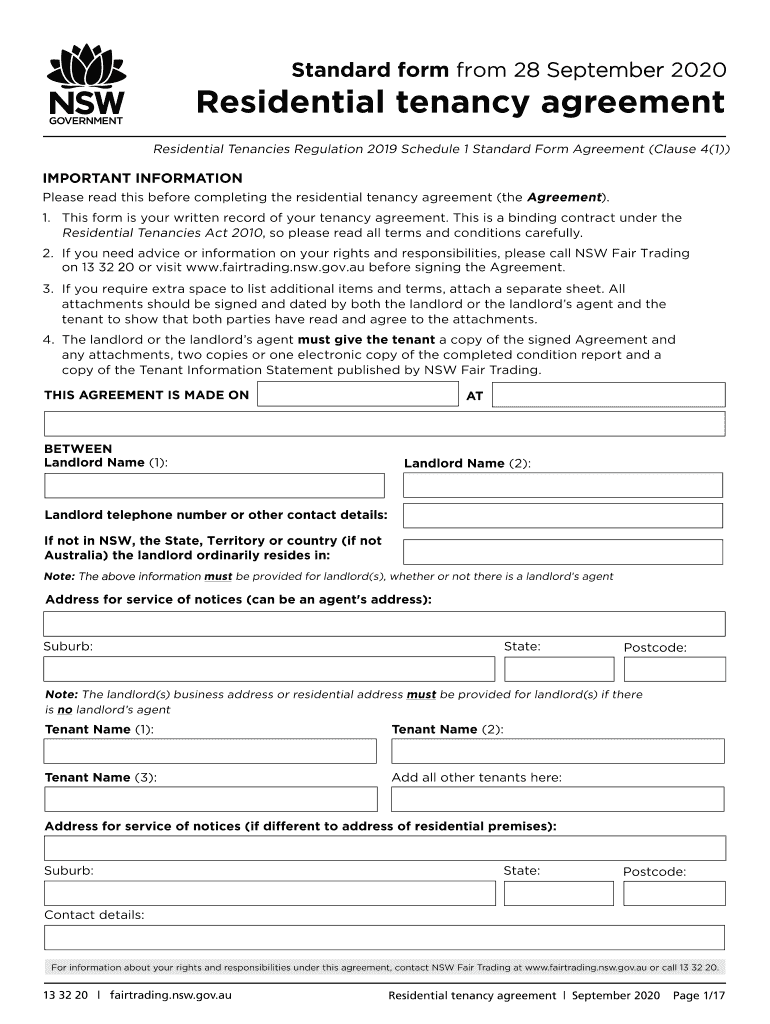
A tenancy agreement is a legal contract between a landlord and tenant that outlines the terms and conditions of a lease for rental property. It is essential for both parties to have a clear understanding of this document before entering into a rental relationship. By defining the roles and responsibilities of each party, the agreement helps prevent misunderstandings and provides legal protection. Common elements include the duration of the lease, rent payment terms, security deposit requirements, maintenance responsibilities, and any specific rules or restrictions related to the property.
How to Use a Tenancy Agreement
Understanding how to effectively utilize a tenancy agreement can protect both landlords and tenants. Before signing, both parties should thoroughly review the document and clarify any ambiguous terms. Generally, the agreement should be completed with accurate details about the rental property, the parties involved, and the agreed-upon terms. After signatures are collected, it should be kept in a safe place where it can be accessed for reference during the lease term. The document can serve as evidence in the event of disputes or discrepancies.
Key Elements Included in a Tenancy Agreement
Several critical elements should be included in a tenancy agreement to ensure it is comprehensive and enforceable. These elements typically comprise:
- Lease Duration: Clearly states the start and end dates of the lease period.
- Rent Details: Outlines the rental amount, due date, and acceptable payment methods.
- Security Deposit: Specifies the security deposit amount, conditions for its return, and potential deductions.
- Maintenance and Repairs: Describes responsibilities for maintaining the property and any repair obligations.
- Termination Clauses: Conditions under which the lease may be terminated early by either party.
By including these elements, the agreement sets clear expectations for both parties throughout the lease period.
Legal Implications and Responsibilities
A tenancy agreement carries significant legal obligations that must be understood by both parties. For landlords, this includes the duty to provide a habitable environment and adhere to fair housing laws. Tenants, on the other hand, are responsible for paying rent on time and maintaining the property in good condition. Failure to comply with the agreement’s terms can lead to legal consequences such as eviction or small claims court disputes. Consulting legal advice before finalizing a tenancy agreement can help clarify these obligations, ensuring compliance with local laws.
Steps to Complete a Tenancy Agreement
Completing a tenancy agreement involves several important steps. Initially, both parties should discuss and negotiate the terms to ensure mutual understanding. The next step is drafting the document, which should include all agreed-upon terms and conditions. Once drafted, both parties should thoroughly review the terms, ensuring clarity and completeness. After agreement on the document’s content, both the landlord and tenant should sign the agreement in the presence of a witness, if possible. Finally, each party should retain a copy of the signed document for their records.
Who Uses a Tenancy Agreement?
Typically, tenancy agreements are utilized by private landlords, property management companies, and tenants. Landlords use the document to clearly define rental rules and protect their property interests. Tenants, often individuals or families seeking temporary housing, rely on tenancy agreements to establish their rights and responsibilities. Moreover, property managers overseeing rental units for owners often execute and manage these agreements as part of their services. These agreements are versatile and can be customized to fit a wide range of residential rental scenarios, from single-family homes to apartment complexes.
State-Specific Considerations
Tenancy agreements may vary significantly depending on state laws and regulations. Each state in the U.S. may have specific statutes governing rental agreements, including disclosures that must be made to tenants, limitations on security deposits, and regulations on the notice periods required for various actions. For instance, California law mandates specific disclosures about environmental hazards, whereas New York has stringent rent control laws. Landlords should familiarize themselves with the local regulations to ensure compliance, and tenants should be aware of their rights under state law before entering into an agreement.
Practical Examples and Case Studies
Consider a scenario where a tenant relocates to a New York City apartment and signs a lease with a rent control clause. In this case, understanding the tenancy agreement allows the tenant to be aware of lawful rent increases and ensures that the property is maintained per local housing standards. In another example, a landlord in Texas could stipulate the requirement for renter’s insurance within the agreement, protecting both parties against potential damage claims. These examples illustrate the diverse applicability of tenancy agreements across different jurisdictions and property types.
Differences Between Digital and Paper Versions
While both digital and paper tenancy agreements serve the same fundamental purpose, they differ in execution and convenience. Digital agreements can be easily drafted, edited, and signed using platforms like DocHub, thus saving time and facilitating remote transactions. They also enable quick distribution and storage. Conversely, paper agreements may require more time to complete and can be cumbersome to store and share. However, some parties prefer the tangible nature of hard copies for official documentation. While digital agreements offer efficiency, ensuring all parties have equal access to the required technology is crucial.