






Understanding the Repossession Hold Harmless Agreement
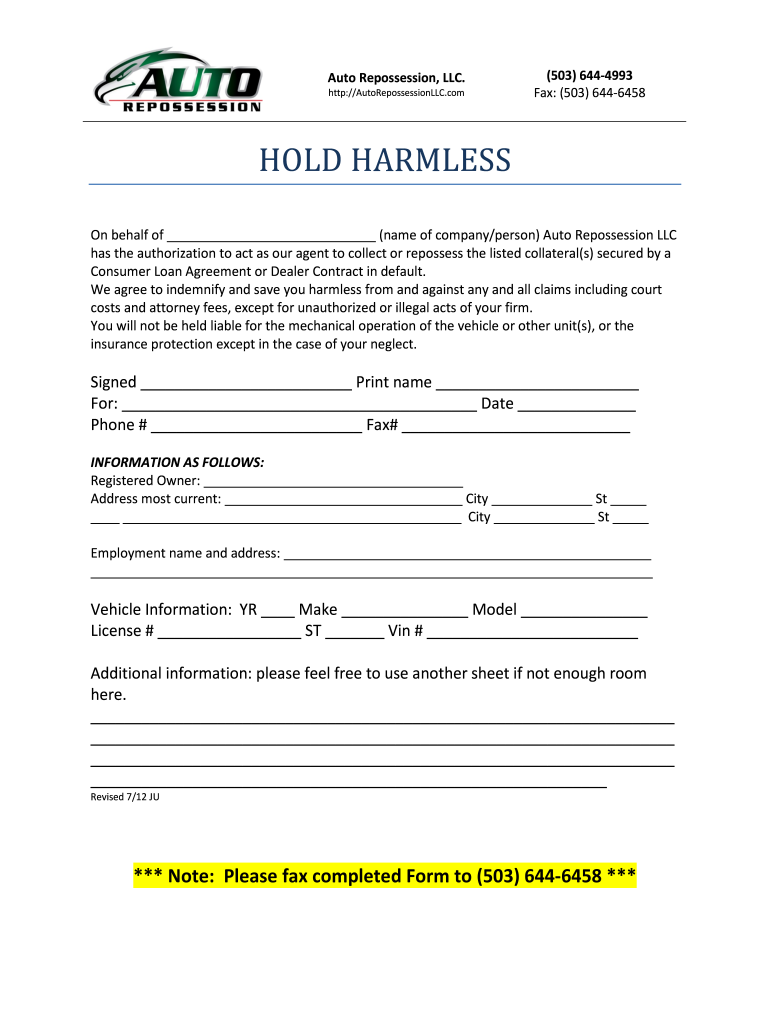
A repossession hold harmless agreement is a crucial legal document that protects the repossession agency from liability associated with the seizure of collateral. This agreement outlines the understanding between the vehicle owner and the repossession agency, authorizing the latter to repossess vehicles subject to a consumer loan agreement or dealer contract in default.
Key Components of the Agreement
- Indemnification Clauses: These clauses are vital as they release the repossession agency from liability for damages or losses incurred during the repossession process.
- Details of the Vehicle: The agreement typically includes information about the vehicle, such as the make, model, year, and VIN (Vehicle Identification Number). This ensures all parties are clear on what is being repossessed.
- Owner’s Acknowledgment: Vehicle owners must acknowledge that they understand the terms and conditions of the repossession and agree to hold the repossession agency harmless.
Using the Repossession Hold Harmless Agreement
The agreement must be completed accurately before any repossession takes place. Here’s how to use it effectively:
- Gather Necessary Information: Collect the vehicle's details, the owner's information, and any pertinent details about the loan agreement.
- Fill Out the Agreement: Clearly write down the indemnification clauses, ensuring that the vehicle owner understands each part.
- Signature and Date: Both parties should sign and date the agreement to formalize the document legally.
- Distribute Copies: After signing, distribute copies of the agreement to all relevant parties for their records.
Legal Considerations
- Compliance with State Laws: Different states may have unique laws governing vehicle repossession. Ensure that the agreement complies with local regulations to avoid potential legal complications.
- Legally Binding: This agreement is akin to a contract; thus, it is critical that all parties fully understand their rights and responsibilities.
Importance of a Hold Harmless Agreement
A repossession hold harmless agreement serves several purposes:
- Protection from Liability: It shields repossession agencies from claims of unlawful repossession or damages.
- Clarification of Roles: It clearly defines what each party can expect from the other, reducing ambiguity and potential disputes.
- Facilitation of Smooth Transactions: By understanding their rights and obligations, both parties can ensure a more efficient repossession process.
Practical Scenarios
Consider a situation where an auto repossession company is hired to reclaim a car. The repository must obtain a signed hold harmless agreement from the car owner. By doing so, if any disputes arise regarding the nature of the repossession—such as allegations of property damage—the company is protected under the terms agreed upon.
For instance, if a vehicle sustains damage during the repossession process but the hold harmless agreement was signed with a clear understanding of liability, the repossession agency may not be held responsible.
This agreement not only serves to protect the agency but also encourages transparency and trust between the parties involved.
Drafting a Repossession Hold Harmless Agreement PDF
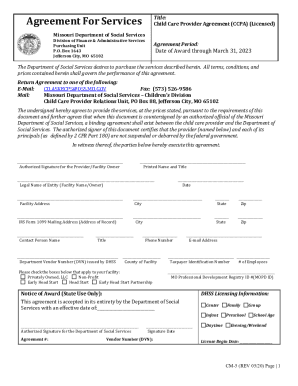
For those seeking a template or a standard document, a repossession hold harmless agreement PDF can be easily created using online platforms. Here’s a quick guide to drafting your own:
- Select a Template: Start with a reliable template that includes all necessary sections.
- Customize the Fields: Modify the document by filling in the specific details about the vehicle, terms, and parties involved.
- Review for Compliance: Ensure the document meets all state legal requirements and is tailored to your particular situation.
- Convert to PDF: Once finalized, convert the document into PDF format for secure distribution.
This process ensures you have a legally sound document that protects all parties involved, allowing for a clear understanding of liabilities and obligations.