






Definition & Meaning
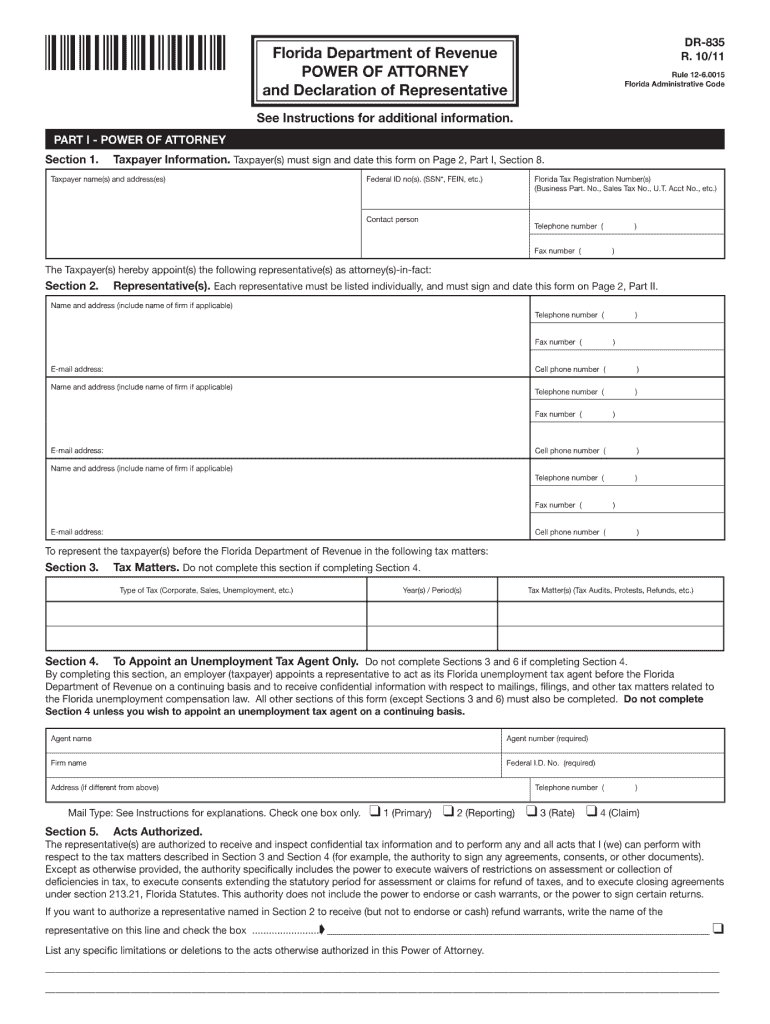
The "DR 835" form is a document used for tax-related processes, which may involve submitting certain financial details to state authorities. Understanding its purpose is essential for correctly handling tax liabilities and ensuring compliance with specific regional regulations. The form provides a structured way to report pertinent financial information, aiding in the proper determination of taxes owed by an individual or entity.
Key Features of the DR 835
- Purpose: Primarily used to report financial data related to state taxes.
- Audience: Typically used by individuals or businesses with specific state tax obligations.
- Functionality: Facilitates the accurate reporting of financial details required for tax assessments.
How to Use the DR 835
Utilizing the DR 835 form involves a series of steps to ensure accurate completion and submission. Understanding these steps is crucial for meeting compliance requirements and avoiding errors that could lead to penalties.
Step-by-Step Usage Process
- Review Purpose: Begin by understanding why and when the form needs to be completed.
- Gather Information: Collect all necessary financial documents that will aid in completing the form accurately.
- Fill Out Personal Details: Ensure that all personal and business information is filled out correctly.
- Enter Financial Data: Input the required financial figures as accurately as possible. This could include income, expenses, deductions, or other relevant financial data.
- Review and Verify: Double-check all entered information to confirm its accuracy and completeness.
- Submit the Form: Choose an appropriate submission method—whether online, by mail, or in-person—and ensure timely delivery.
How to Obtain the DR 835
Acquiring a DR 835 form can be done through several channels. Knowing where and how to access the form can save time and streamline the filing process.
Common Methods to Obtain the Form
- State Tax Authority Website: Accessing directly from the official site often provides the most accurate and current version.
- Local Tax Office: In-person retrieval is possible by visiting a state's tax office or a regional branch.
- Request by Mail: Some states might offer the option to request a form by mail, which will be sent to your address.
Steps to Complete the DR 835
Completing the DR 835 involves providing correct information in specific sections of the form. Each section serves a distinct purpose, ensuring comprehensive data collection for tax purposes.
Detailed Steps for Completion
- Identify Relevant Sections: Determine which sections are applicable based on your specific tax situation.
- Provide Clear Answers: Ensure clarity and precision when entering data, particularly in fields listing financial figures.
- Complete Inapplicable Sections: Even if sections do not apply, indicate as such by entering "N/A" to avoid oversight.
- Sign and Date the Form: Finalize the document with a signature and ensure it is dated to complete the submission.
Who Typically Uses the DR 835
Different categories of taxpayers may find themselves required to use the DR 835 form. Recognizing whether you fall into one of these categories can assist in preparation and compliance.


Common Users of the Form
- Small Business Owners: Often need to file when managing state-specific tax obligations.
- Self-Employed Individuals: Those reporting income without a typical employer may need this document.
- Corporations Operating in Specific States: Businesses incorporated within or doing business in certain states may be subject to filing.

Important Terms Related to DR 835
Understanding the terminology associated with the DR 835 is crucial for completing the form accurately and comprehensively. Knowing these terms can prevent misinterpretations and filing errors.
Key Terms to Know
- Taxpayer Identification Number (TIN): A unique identifier used in the reporting of taxes.
- Deductions: Allowable financial write-offs that reduce taxable income.
- Tax Liability: The total amount of tax debt owed to the government.
Legal Use of the DR 835
The DR 835 form has specific legal implications, particularly concerning the accuracy and honesty of the reported information. Understanding these legalities ensures full compliance and reduces potential tax-related issues.
Legal Considerations
- Accuracy Requirement: Legal accountability for the information provided; falsification can lead to penalties.
- Documentation: Maintain copies of all documents used to compile the form for future reference or audits.
Penalties for Non-Compliance
Failing to adhere to submission guidelines of the DR 835 can result in fines or other legal repercussions. Being aware of these penalties can motivate timely and accurate filings.
Potential Consequences
- Monetary Fines: State-imposed fines can be levied for incomplete or inaccurate filings.
- Interest Charges: Additional financial burdens due to late payments or omissions on the form.
- Legal Actions: In severe cases, non-compliance can lead to hearings or other legal proceedings.