




01. Edit your 1099 a 2012 online
Type text, add images, blackout confidential details, add comments, highlights and more.

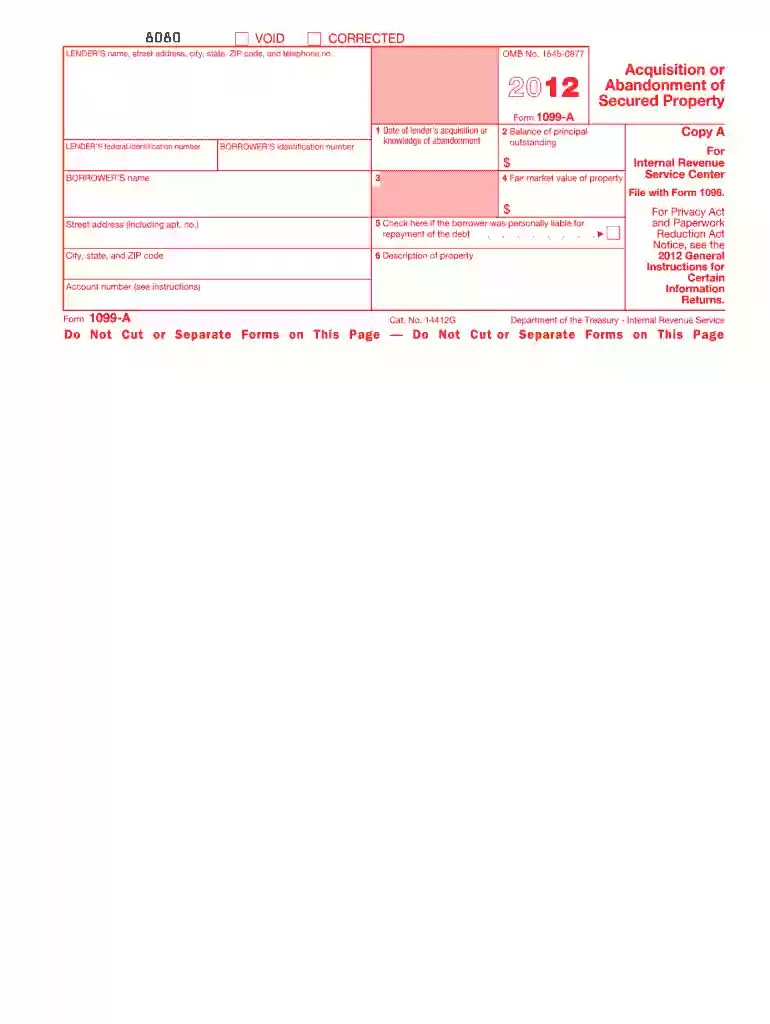
Type text, add images, blackout confidential details, add comments, highlights and more.

Draw your signature, type it, upload its image, or use your mobile device as a signature pad.

Send it via email, link, or fax. You can also download it, export it or print it out.
Form 1099-A, titled "Acquisition or Abandonment of Secured Property," is a tax document used primarily in the United States to report the acquisition or abandonment of properties that are secured. When a property is either foreclosed upon or its ownership changes under secured conditions, the 1099-A form serves to document these transactions for tax purposes. This form is vital for both the lender and the borrower as it records important details such as the date of the transaction, the fair market value of the property, and any outstanding debt.
Understanding Form 1099-A requires familiarity with its key components, including:
Obtaining the 1099-A form is usually straightforward, as it is provided by the lender. Lenders must issue this form to borrowers involved in property-related transactions that fall under this category. Borrowers or lenders can also access official forms by visiting the IRS website, where they can download and print the necessary documents. It is important to note that the online version of the form should not be filed as it is not scannable, emphasizing the necessity of using the official form for mailing purposes.
Completing the 1099-A form accurately involves several steps to ensure all parties fulfill their reporting obligations:
Filing Form 1099-A holds significance for compliance with federal tax laws and fulfilling reporting obligations. It serves as a formal record for the IRS to track changes in ownership for secured properties, facilitating accurate taxation and prevention of fraud or errors in property handling. Lenders need these forms for internal record-keeping and ensuring borrower transparency.
Filing Form 1099-A provides borrowers relief by formalizing the foreclosure process, establishing clear documentation for their tax records, and potentially influencing their credit standing depending on how the transaction is recorded and settled.
Form 1099-A is primarily used by financial institutions, lenders, or banks that foreclose on properties that were secured under a loan agreement. It is also used by individuals who elect to abandon properties under financial constraints. The IRS requires this form from any situation where the ownership or secured status of a property changes under lending agreements.


This form must comply with IRS regulations outlined under foreclosure or secured property abandonment events. The ESIGN Act ensures the legality of electronically maintained forms, while the IRS provides guidelines to avoid legal pitfalls associated with improperly filed documents. Inaccurate or non-compliance may result in substantial penalties.
The IRS guidelines for Form 1099-A require exact adherence to specific protocols. Incomplete or incorrect filings can cause discrepancies in tax reporting, leading to audits or fines. Lenders need to follow precise timing rules regarding when to send this form, typically before the end-of-year reporting deadlines. Comprehensive instruction guides are available from the IRS to assist with any ambiguities during preparation.
Failing to file a 1099-A form or doing so inaccurately can result in penalties imposed by the IRS. Such penalties may include monetary fines that increase with the duration of non-compliance, depending on the negligence's seriousness and duration. Timely and accurate filings, therefore, protect both lenders and borrowers from legal and financial repercussions.
We've got more versions of the 1099 a 2012 form. Select the right 1099 a 2012 version from the list and start editing it straight away!
| Versions | Form popularity | Fillable & printable |
|---|---|---|
| 2022 | 4.5 Satisfied (31 Votes) | |
| 2021 | 4.7 Satisfied (87 Votes) | |
| 2020 | 4.1 Satisfied (64 Votes) | |
| 2019 | 4.4 Satisfied (101 Votes) | |
| 2018 | 4.2 Satisfied (98 Votes) | |
| 2017 | 4.4 Satisfied (745 Votes) | |
| 2016 | 4.4 Satisfied (574 Votes) | |
| 2015 | 4.4 Satisfied (46 Votes) | |
| 2014 | 4 Satisfied (33 Votes) | |
| 2013 | 4.2 Satisfied (36 Votes) | |
| 2012 | 4.2 Satisfied (69 Votes) | |
| 2011 | 4 Satisfied (50 Votes) | |
| 2010 | 4 Satisfied (54 Votes) | |
| 2008 | 4 Satisfied (35 Votes) | |
| 2007 | 3.9 Satisfied (52 Votes) |
At DocHub, your data security is our priority. We follow HIPAA, SOC2, GDPR, and other standards, so you can work on your documents with confidence.


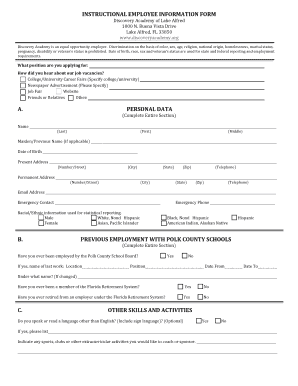




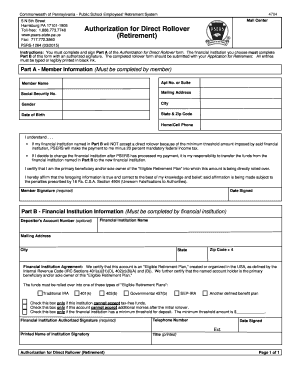
Dec 21, 2011 Filing information returns for. See Information Returns. Forms 1099to the recipient by payments to nonemployees and. January 31 and to the IRSRead more
If you received a Form. 1099-INT, Form. 1099-OID, or substitute statement from a brokerage firm, list the firms name as the payer and enter the total interest.Read more
Form 1099-A are the 2012 General Instructions for Certain. Information Returns and the 2012 Instructions for Forms 1099-. A and 1099-C. A chart in the generalRead more


