




Power of Attorney for Banking Transactions: Definition and Importance
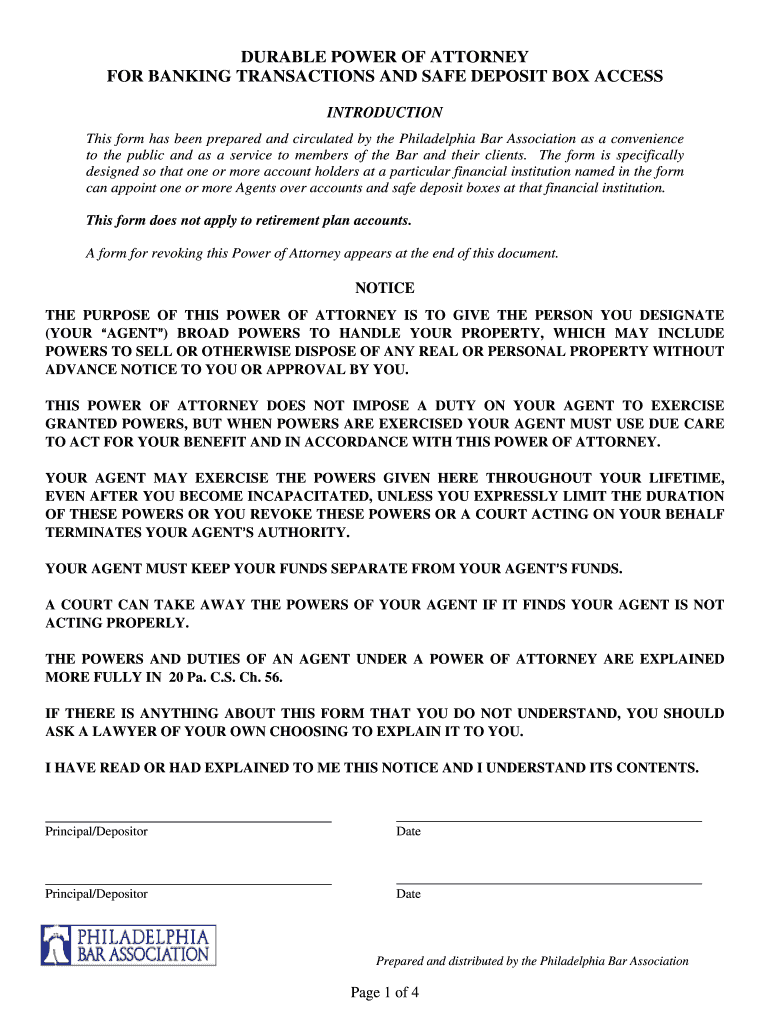
A power of attorney for banking transactions is a legally binding document that authorizes an individual, referred to as the agent or attorney-in-fact, to manage financial affairs on behalf of another individual, known as the principal. This document is particularly critical in situations where the principal may become incapacitated, unable to manage their financial matters, or simply wishes to delegate authority for specific transactions. The scope can include handling banking transactions, accessing safe deposit boxes, and managing other financial accounts.
Key Elements of a Banking Power of Attorney
- Designation of Agent: The document must clearly identify who the agent is. This person is empowered to act on behalf of the principal.
- Scope of Authority: The powers granted to the agent should be explicitly outlined. This can include:
- Accessing checking and savings accounts.
- Managing investment accounts.
- Paying bills and making transactions.
- Accessing safe deposit boxes.
- Durability: Indicating whether the power of attorney is durable, meaning it remains effective even if the principal becomes incapacitated.
- Revocation Procedures: Instructions on how the principal can revoke the power of attorney, ensuring flexibility and control over the document.
Types of Bank Power of Attorney Documents
There are various templates and formats for a banking power of attorney, and it is crucial to choose one that aligns with your specific needs. Here are a few examples:
- Bank Power of Attorney Form: A standard template that can be used across most banking institutions.
- Power of Attorney for Bank Account Operations: Used specifically for managing bank accounts.
- Power of Attorney to Close Bank Account Sample: A tailored document for specific operations related to account closure.
Steps to Complete a Power of Attorney for Banking
-
Choose the Agent: Select a trustworthy individual who you believe will handle your financial matters responsibly.
-
Gather Necessary Information: Collect all relevant information such as bank account numbers, the financial institution's name, and any other pertinent details that will be needed by the agent.
-
Draft the Document: Use a reliable template to draft the power of attorney, ensuring all required elements are included. This might involve customized language to specify the authority regarding banking transactions.
-
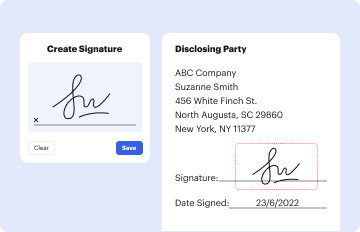
Sign and Date the Document: After reviewing the document for accuracy, both the principal and a notary (in most cases) should sign the document to make it official.
-
Distribute Copies: Provide a copy of the signed document to the selected agent and the bank to ensure they are aware of the arrangement.
Legal Considerations for Banking Powers of Attorney
Understanding the legal implications of a banking power of attorney is essential. This includes knowledge about state-specific laws governing the execution and recognition of such documents.
Common Legal Requirements
-
Notarization: Many states require that a power of attorney be notarized to be considered valid, especially for financial transactions.
-
Witness Signatures: Some jurisdictions may also require the signatures of witnesses for added legitimacy.
Revocation of Power of Attorney
- Procedural Steps: The principal should follow specific actions to revoke the power of attorney formally, which typically involves providing written notice to the agent and any institutions where the power was exercised.
- Notification of Banks: It is critical to notify all banks and financial institutions in writing to prevent any unauthorized transactions.
Examples of Use Cases for Banking Power of Attorney
Banking powers of attorney are common in various real-world situations:
-
Elder Care: Often, elderly individuals appoint a trusted family member to manage their banking transactions as they may face challenges in handling their finances directly.
-
Travel: If a principal is traveling for an extended period, they may designate someone to manage their accounts in their absence to ensure bills are paid timely.
-
Incapacity: Should the principal become incapacitated due to health reasons, this document ensures that the agent can take necessary actions to maintain financial stability.
Variations and Alternatives for Power of Attorney
While a standard power of attorney for banking transactions suffices in many situations, there are alternatives and variations worth considering:
-
Limited Power of Attorney: This grants the agent authority for specific transactions only, rather than for a broad range of banking activities.
-
Durable vs. Non-Durable: A durable power of attorney remains effective even when the principal is incapacitated, while non-durable ceases upon incapacity.
-
Springing Power of Attorney: This type activates only under certain conditions, such as incapacity, thus allowing greater control for the principal until truly necessary.
Conclusion on the Value of Banking Power of Attorney
Navigating financial matters through a power of attorney provides the necessary structure for individuals to maintain control and security over their financial affairs, even in times of unpredictability or vulnerability. This document serves as a critical tool in ensuring that banking transactions can be handled effectively and in accordance with the principal's wishes.