


LEGAL & GENERAL PORTFOLIO BOND (IPS) 2026

Get Form
LEGAL & GENERAL PORTFOLIO BOND (IPS) Preview on Page 1

Here's how it works

01. Edit your form online
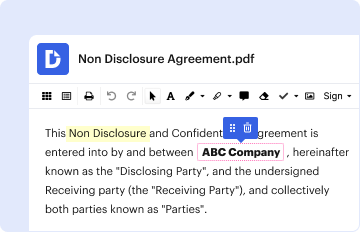
Type text, add images, blackout confidential details, add comments, highlights and more.
02. Sign it in a few clicks
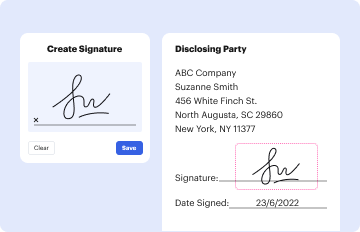
Draw your signature, type it, upload its image, or use your mobile device as a signature pad.
03. Share your form with others
Send it via email, link, or fax. You can also download it, export it or print it out.

How to use or fill out LEGAL & GENERAL PORTFOLIO BOND (IPS) with our platform

Form edit decoration
9.5
Ease of Setup
DocHub User Ratings on G2
9.0
Ease of Use
DocHub User Ratings on G2
  1. Click ‘Get Form’ to open the LEGAL & GENERAL PORTFOLIO BOND (IPS) in the editor.
  2. Begin by filling out the Company Details section. Enter the name of your company, registered address, and contact number. Ensure all information is in block capitals for clarity.
  3. Next, provide details for each authorised official. Include their title, full name, and permanent residential address. If there are more than four officials, continue on a separate sheet as necessary.
  4. In the Company Bank/Building Society Account Details section, input your bank's name and address along with account holder details including sort code and account number.
  5. Specify the investment amount you wish to open an account for in the investment section. Remember to attach a cheque made payable to Legal & General.
  6. Review and complete the Declarations section carefully. Ensure all authorised officials sign within the designated boxes and date their signatures appropriately.

Start using our platform today to streamline your document editing and signing process for free!

be ready to get more

Complete this form in 5 minutes or less

Get form

Got questions?

We have answers to the most popular questions from our customers. If you can't find an answer to your question, please contact us.
Contact us
Average Return on Corporate Bonds Between 5% and 6% This would be your interest-based return if you built a 100% bond portfolio overnight. In the long run, if you were to only invest in AAA corporate bonds over time, you can expect a modern yield between 4% and 5%.
Legal General America is the US insurance arm leveraging the expertise of a top ten global insurer. We specialize in delivering life insurance solutions for families and businesses. Location: Frederick, MD.
When you invest in bonds, you can diversify your portfolio by spreading risk across different asset types. Predictable payments. Most bonds offer predictable interest payments, which can help stabilize your portfolio and provide you with regular income. Less volatility.
Investing in long-term bonds gives investors the opportunity to balance their investment portfolios with a component providing security and steady returns. This is because long-term bonds with maturities of 10 years or more offer regular interest income over an extended period of time.
What Are the Advantages of Investing in Bonds? Bonds pay interest at regular intervals, mitigate the risk of more volatile investments, and preserve capital. Due to these advantages, investors often use bonds to diversify their portfolio.

Security and compliance

At DocHub, your data security is our priority. We follow HIPAA, SOC2, GDPR, and other standards, so you can work on your documents with confidence.

Learn more
ccpa2
pci-dss
gdpr-compliance
hipaa
soc-compliance
be ready to get more

Complete this form in 5 minutes or less

Get form

People also ask

Buffett argues that stocks will continue to provide higher returns over the long run than bonds or cash. Invest the remaining 10% in short-term government bonds such as U.S. Treasury bills. This ensures liquidity (your ability to buy or sell with relative ease) while reducing your overall risk in market downturns.
Long-term bonds have gotten smoked in the 2020s from the impact of rising rates combined with high duration. The good news about falling bond prices is youre getting to invest at higher starting yields. That means expected returns have risen. Your short-run returns are down but your long-run returns are going up.

Related links