






Definition and Meaning of the US Taxes on Foreign Income
U.S. taxes on foreign income primarily revolve around the taxation policies that apply to U.S. citizens and resident aliens who earn income from foreign sources. This form of taxation requires individuals to report their worldwide income, no matter where it is earned. The objective is to ensure that U.S. citizens and resident aliens are contributing their fair share to the taxation system, even when part of their income originates outside the U.S.
Key Aspects of Foreign Income Taxation
- Worldwide Income: All U.S. citizens and resident aliens must report income earned anywhere in the world.
- Foreign Tax Credits: Taxpayers can often mitigate double taxation through the foreign tax credit, which allows credit for taxes paid to foreign governments.
- Exclusions and Deductions: Certain exclusions, like the Foreign Earned Income Exclusion (up to a specific limit), allow filers to exclude a portion of their foreign income from U.S. taxation.
Practical Example
Imagine a U.S. citizen working in Germany, earning a salary paid in Euros. This individual must report their salary as foreign income on their U.S. tax return, even though it is earned abroad.
Steps to Complete the US Taxes on Foreign Income
Filing U.S. taxes on foreign income involves several critical steps that ensure compliance with IRS rules. Proper filing helps avoid penalties and ensures that taxpayers capitalize on available deductions and credits.
- Gather Necessary Information: Collect all forms of income, including wages, salaries, dividends, and other foreign income sources.
- Determine Applicable Exclusions: Evaluate eligibility for exclusions like the Foreign Earned Income Exclusion (FEIE) by assessing criteria such as the bona fide residence or physical presence tests.
- Calculate Taxes and Credits: Compute any foreign tax credits available to offset double taxation, ensuring the precise amount owed is settled.
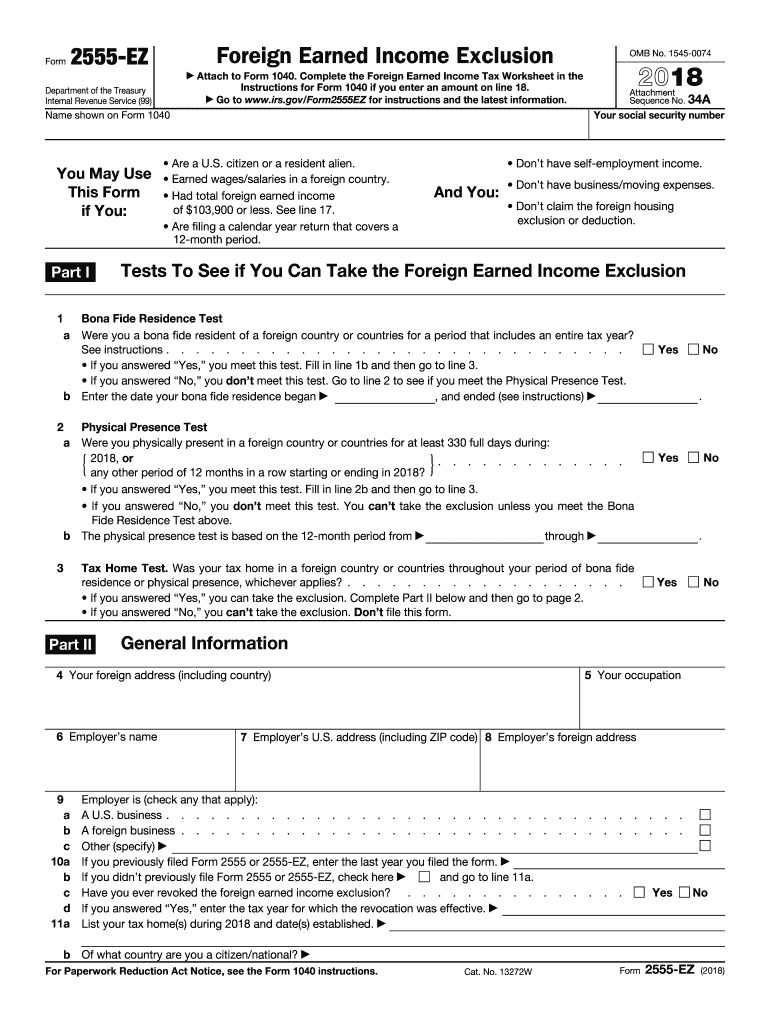
- Complete the Form 2555 or 2555-EZ: This form is used to claim the FEIE and must be completed accurately.
- Review for Accuracy: Double-check for any errors or omissions, which could result in miscalculations.
- Submit the Return: File the tax return using paper or electronic methods by the stipulated deadline.
Important IRS Guidelines Surrounding Foreign Income Taxation
The Internal Revenue Service (IRS) provides comprehensive guidelines for handling foreign income, which are crucial for taxpayers to understand for proper compliance.
Highlights of IRS Guidance
- Form 2555: Essential for claiming exclusions, including the housing cost exclusion.
- Physical Presence and Bona Fide Residence Tests: Determine eligibility for exclusions based on time spent abroad or continuous residency.
- Tax Treaties: These agreements between the U.S. and other countries often impact how foreign income is taxed.
Filing Deadlines and Important Dates
Understanding filing deadlines and key tax dates is essential for avoiding penalties associated with late submissions of foreign income taxes.
- Regular Deadline: Generally falls on April 15. An extension until June 15 is automatically available for those living abroad.
- Extension Requests: Additional extensions can be requested using Form 4868, granting up to six more months.
Required Documents for Filing
To ensure a complete and accurate filing, taxpayers need a range of documents detailing their foreign earnings and taxes.
Necessary Documents
- Form 2555 or 2555-EZ: For claiming the foreign earned income exclusion.
- Foreign Income Documentation: W-2s or foreign equivalents, bank statements showing interest or investment earnings.
- Foreign Housing Expenses Receipts: Documentation supporting any claims for housing cost exclusions.
Legal Use of US Taxes on Foreign Income Forms
Forms designed for reporting foreign income must be used correctly to comply with U.S. taxation laws. Ensuring legality requires adherence to several principles.
Legal Compliance Strategies
- Adherence to IRS Requirements: Ensure all forms and schedules are completed accurately and thoroughly.
- Truthful Reporting: Report worldwide income without omissions, including any foreign bank accounts or assets above IRS thresholds.
- Secure Record-Keeping: Maintain copies of all filings and supporting documents for at least three years.
Key Elements of the Foreign Earned Income Exclusion
The Foreign Earned Income Exclusion (FEIE) is a significant aspect of reducing taxable foreign income for eligible individuals.
Main Components of FEIE
- Income Cap: Allows exclusion of up to $103,900 (subject to inflationary adjustments) for income earned abroad.
- Housing Exclusion: Additional exclusions for reasonable housing expenses incurred overseas.
- Qualification Tests: Requires either a bona fide residence or a physical presence in a foreign country for set durations.
Penalties for Non-Compliance with Foreign Income Tax Requirements
Failing to comply with foreign income tax rules can result in severe penalties. Being informed on potential repercussions is essential for filers.
Potential Penalties
- Failure to File Penalty: Levied at a rate of 5% per month of unpaid tax, up to a maximum of 25%.
- Accuracy-Related Penalties: Applies to understatements stemming from negligence or significant misstatements.
- Foreign Account Reporting Penalties: Non-disclosure of foreign accounts under FATCA can lead to severe penalties.
Software Compatibility for Filing
Using tax software like TurboTax or QuickBooks can streamline the filing process for foreign income taxes, but compatibility is crucial.
Tax Software Considerations
- Comprehensive Support: Ensure the software supports Form 2555 and foreign income filings.
- Foreign Currency Conversion: Must handle conversions accurately for income and deductions.
- Updates on Tax Treaties: The software should incorporate treaty impacts directly impacting liability calculation.