Actec shareholders agreements for closely-held corporations ... 2026

Get Form
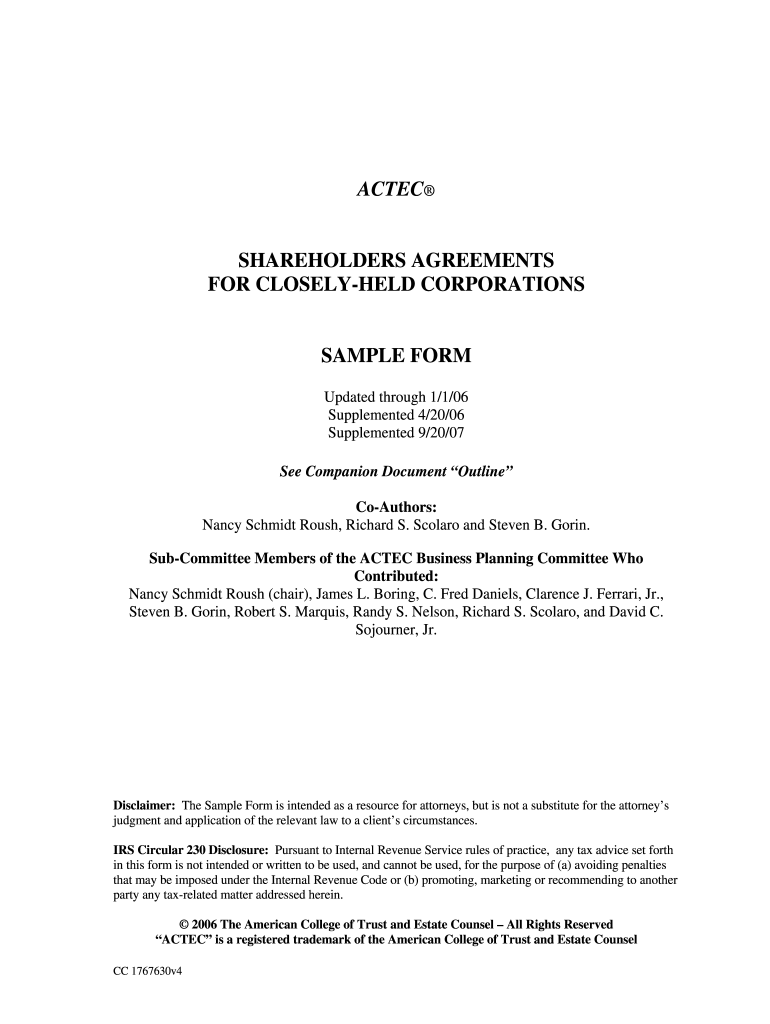
actec shareholders agreements for closely-held corporations ... Preview on Page 1

Here's how it works

01. Edit your form online
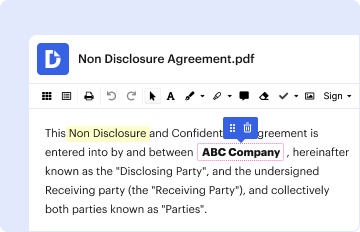
Type text, add images, blackout confidential details, add comments, highlights and more.
02. Sign it in a few clicks
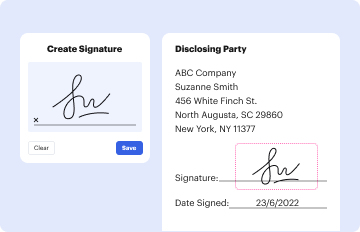
Draw your signature, type it, upload its image, or use your mobile device as a signature pad.
03. Share your form with others
Send it via email, link, or fax. You can also download it, export it or print it out.

How to use or fill out ACTEC Shareholders Agreements for Closely-Held Corporations with Our Platform

Form edit decoration
9.5
Ease of Setup
DocHub User Ratings on G2
9.0
Ease of Use
DocHub User Ratings on G2
  1. Click ‘Get Form’ to open the ACTEC Shareholders Agreement in the editor.
  2. Begin by filling in the effective date of the agreement at the top of the form. This is crucial as it marks when the agreement becomes binding.
  3. In Article 1, Definitions, ensure you accurately define key terms such as 'Shareholder' and 'Corporation'. This section sets the foundation for understanding throughout the document.
  4. Proceed to Article 2, Issuance of Shares. Fill in conditions under which shares may be issued, ensuring compliance with your corporation's bylaws.
  5. In Article 3, Buy-Sell Provisions, specify any restrictions on share transfers and outline mandatory purchase conditions. This protects existing shareholders' interests.
  6. Complete Articles regarding voting rights and governance (Article 7) and non-compete clauses (Article 8) as applicable to your corporation’s structure.
  7. Review all sections for accuracy and completeness before saving your changes. Utilize our platform’s features to collaborate with other stakeholders if needed.

Start using our platform today to streamline your document editing and signing process for ACTEC Shareholders Agreements!

be ready to get more

Complete this form in 5 minutes or less

Get form

Got questions?

We have answers to the most popular questions from our customers. If you can't find an answer to your question, please contact us.
Contact us
They must act in good faith, with the best interests of the corporation and its shareholders in mind, and must disclose any potential conflicts of interest. If a conflict of interest arises, they must recuse themselves from any decision-making process that would be affected by the conflict.
Generally, a closely held corporation is a corporation that: Has more than 50% of the value of its outstanding stock owned (directly or indirectly) by 5 or fewer individuals at any time during the last half of the tax year, and. Isnt a personal service corporation.
A shareholder agreement can be drafted to either override or supplement a companys constitution, so long that it does not conflict with any requirements set out in the Corporations Act 2001 (Cth).
It regulates the relationship between the shareholders and governs the management of the company. It outlines shareholders rights and obligations which therefore provides protection for each shareholder. Although a SHA is not a legal obligation, its value should not be underestimated.
A well-drafted shareholders agreement helps ensure the continuity of the business in various scenarios, such as the death or incapacity of a shareholder. It provides a clear plan for how shares are to be handled, who can buy them, and at what price.

People also ask

Shareholders Agreements provide critical assistance when it comes to the operation and management of companies that involve multiple owners (shareholders). They also establish important rules that help protect companies and shareholders in relation to dealings with shares and disputes.
Reasons to Create a Shareholder Agreement if You Own a Corporation. While there is no legal requirement for corporations to have shareholder agreements, there are numerous reasons why you should consider drafting one. Some of the most compelling reasons include: Risk mitigation.
A positive of a closely held corporation is that there are less regulations. In other words, they are not required to abide by most corporate regulations, as closely held corporations are not regulated by the Securities and Exchange Commission. Another pro is having more control.

Related links