




01. Edit your form online
Type text, add images, blackout confidential details, add comments, highlights and more.

Type text, add images, blackout confidential details, add comments, highlights and more.

Draw your signature, type it, upload its image, or use your mobile device as a signature pad.

Send it via email, link, or fax. You can also download it, export it or print it out.
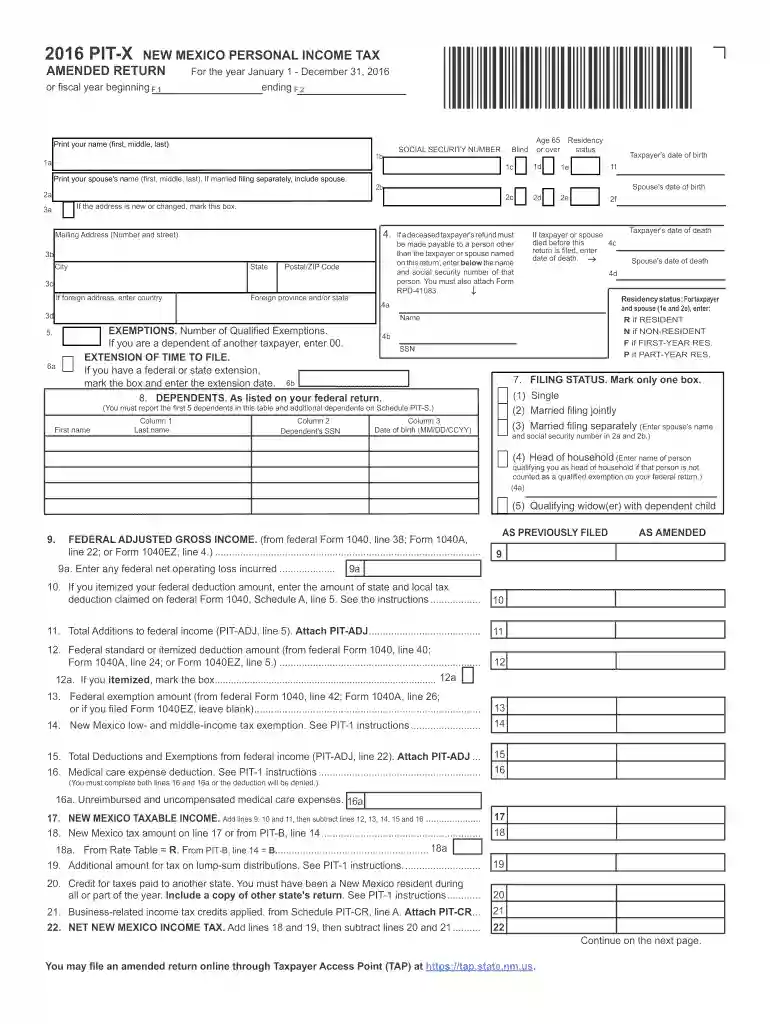
The term "or fiscal year beginning F" refers to a specific identification used within financial contexts, often related to tax forms or documentation that requires the specification of a fiscal year start. It typically serves as a placeholder or indicator for when an organization's fiscal calendar begins. Unlike the calendar year, which follows January through December, a fiscal year can begin in any month and extends for 12 consecutive months. This is crucial for businesses and accounting departments as it defines the period for financial reporting and tax obligations, affecting annual budget planning and evaluation.
Using the "or fiscal year beginning F" requires identifying the accurate start month of your fiscal year when dealing with forms or reports needing this specification. For example, if a company adopts a fiscal year starting in July, this detail must be clearly marked on any relevant tax or financial document.
Filling out any form indicating "or fiscal year beginning F" involves specific steps to ensure accuracy:
To effectively engage with the "or fiscal year beginning F," certain documents are often necessary:
Understanding related terminology enhances clarity:
Different organizations may face various deadlines based on their fiscal-year starts:
Compliance with legal standards is vital when indicating "or fiscal year beginning F." Proper documentation is necessary for tax law adherence, and deviations may result in penalties.
Understanding the source and authority issuing forms associated with "or fiscal year beginning F" is important for compliance:
Each of these sections should be explored in depth to provide comprehensive guidance to individuals or businesses dealing with the "or fiscal year beginning F."
At DocHub, your data security is our priority. We follow HIPAA, SOC2, GDPR, and other standards, so you can work on your documents with confidence.
The federal fiscal year (FFY) begins October 1 and ends September 30. The year identified with a fiscal year is the year of the ending date. ThereforeRead more
A fiscal year is important for accounting purposes and for preparing annual financial statements. At UC Irvine, the fiscal year begins on July 1 and ends onRead more
Dec 1, 2017 If you file your income tax return for a fiscal year rather than the calen- dar year, you must change some of the dates in this calendar. TheseRead more


