





Definition & Meaning of the Hijama Consent Form
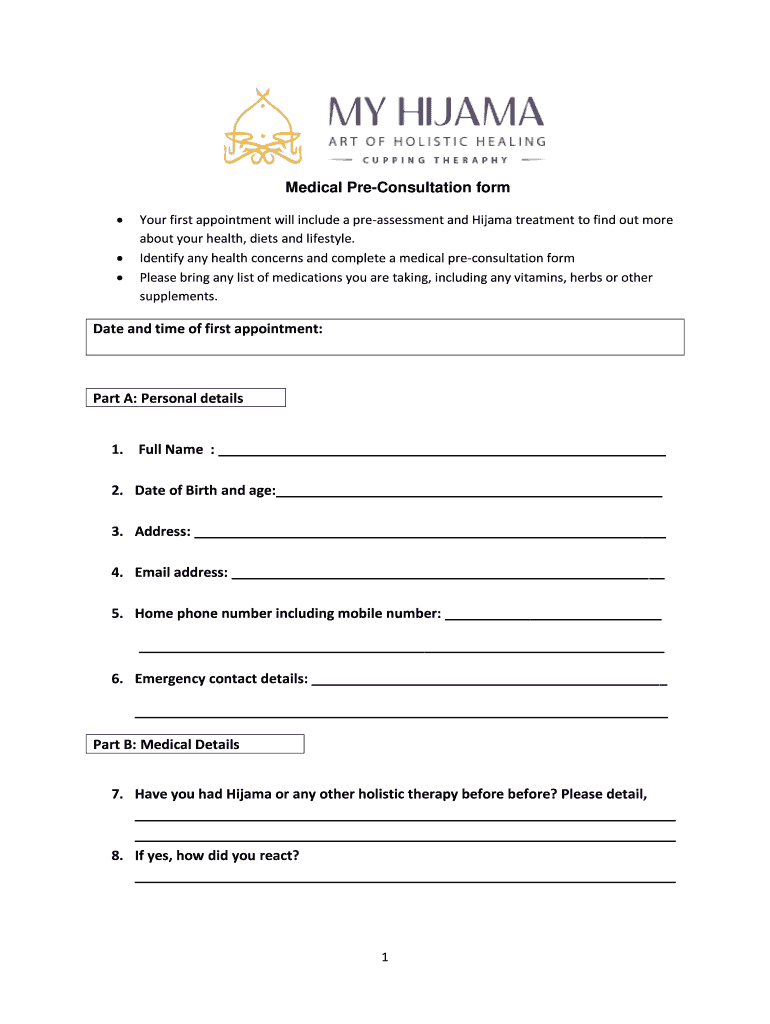
The hijama consent form serves as an essential document in the context of cupping therapy, specifically Hijama. It outlines the client's understanding of the procedures involved in the treatment, the potential risks and benefits, and the necessity for informed consent. This form is critical for practitioners to ensure that they comply with legal and ethical standards in providing Hijama therapy. By signing the form, clients confirm that they consent to the procedure after being informed about their health condition and the implications of the treatment.
Important components typically included in the hijama consent form are:
- Personal Information: Client details such as name, address, and contact information.
- Medical History: Sections requesting detailed information about the client’s health, including any pre-existing conditions, medications, allergies, and previous therapies.
- Informed Consent Statements: Clear explanations of the methodology and any associated risks, such as possible bruising or soreness post-treatment.
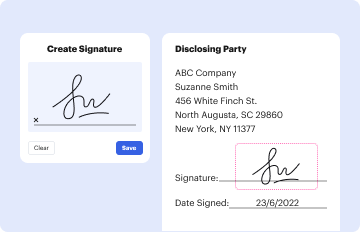
- Signature Field: A designated area for the client to sign and date the document, confirming their understanding and agreement to undergo the treatment.
Key Elements of the Hijama Consent Form
The hijama consent form comprises several key elements that contribute to its effectiveness in gathering essential information and securing client consent. Notable elements include:
- Detailed Explanations of Procedures: A thorough description of Hijama therapy, explaining how the therapy is performed, the tools used, and expected outcomes.
- Risk Disclosure: A comprehensive list of potential risks and side effects, such as infections, skin irritation, or worsening of certain health conditions.
- Consent Statement: Clear language indicating the client's agreement to the procedure after reviewing all information provided.
- Right to Withdraw: Information regarding the client’s right to withdraw consent at any time during the treatment, emphasizing the voluntary nature of the procedure.
- Contact Information for Queries: A section listing practitioner contact details for clients to resolve any concerns or questions prior to the treatment.
How to Use the Hijama Consent Form
Using the hijama consent form involves several steps that ensure both client understanding and legal compliance. The process generally proceeds as follows:
- Pre-Treatment Assessment: Before completing the form, practitioners assess the client’s health through initial discussions, which can help identify particular concerns that should be addressed in the consent form.
- Form Completion: Clients fill out the form, providing necessary personal and health information, and practitioners review this information to ensure completeness.
- Review of Information: Practitioners discuss the details of the hijama procedure with clients, ensuring they understand the associated benefits and risks. This is an opportunity for clients to ask questions and clarify doubts.
- Final Consent: Once satisfied, clients sign the form to confirm their consent, which is then securely stored as part of their medical records.
Important Terms Related to the Hijama Consent Form
Understanding specific terms related to the hijama consent form enhances comprehension of its application and implications. Key terms include:
- Informed Consent: The process through which a client understands and agrees voluntarily to a proposed treatment after being fully informed of its risks and benefits.
- Contraindications: Medical conditions or factors that serve as reasons to withhold certain treatments, which the form should clearly outline.
- Cupping Therapy: A treatment method using suction to create a vacuum effect on the skin, utilized for various therapeutic benefits.
- Client Autonomy: The concept that clients have the right to make informed decisions about their own health care and treatment options.
Who Typically Uses the Hijama Consent Form
The hijama consent form is predominantly utilized by various stakeholders involved in the delivery and administration of cupping therapy services. Users include:
- Hijama Practitioners: Professionals providing cupping therapy who require documented consent from clients to comply with legal and professional standards.
- Healthcare Facilities: Clinics and wellness centers that offer hijama services as part of their treatment options, ensuring all procedures adhere to health regulations.
- Clients: Individuals seeking cupping therapy who need to understand the treatment fully before consenting to undergo it.


Why Should You Use the Hijama Consent Form
Using the hijama consent form is crucial for several reasons, including:
- Legal Protection: Provides documented proof that clients have been informed of the risks and benefits, safeguarding practitioners against potential legal claims.
- Patient Safety: Ensures clients are aware of any contraindications or precautions relevant to their health status, promoting safer treatment practices.
- Professional Integrity: Upholds ethical standards within the field of alternative therapies, showing a commitment to informed client care.
- Trust Building: Establishes a transparent relationship between practitioners and clients through open communication and detailed informed consent.
Steps to Complete the Hijama Consent Form
Completing the hijama consent form should be approached systematically to ensure all critical information is captured and understood. The following steps detail the process:
- Initial Consultation: The practitioner discusses health history and reasons for considering hijama treatment with the client.
- Filling Out Personal Information: The client provides required personal details, including full name, contact information, and any relevant medical history.
- Understanding Treatment: The practitioner explains the treatment procedure, allowing clients to ask questions and ensuring they comprehend the process.
- Sign and Date: After reviewing the information and agreeing to the procedures and risks involved, the client signs to confirm their consent and understanding.
- Document Storage: The signed consent form is filed securely in the client’s records for future reference, ensuring compliance and access during any follow-up treatments.


