





Definition and Meaning
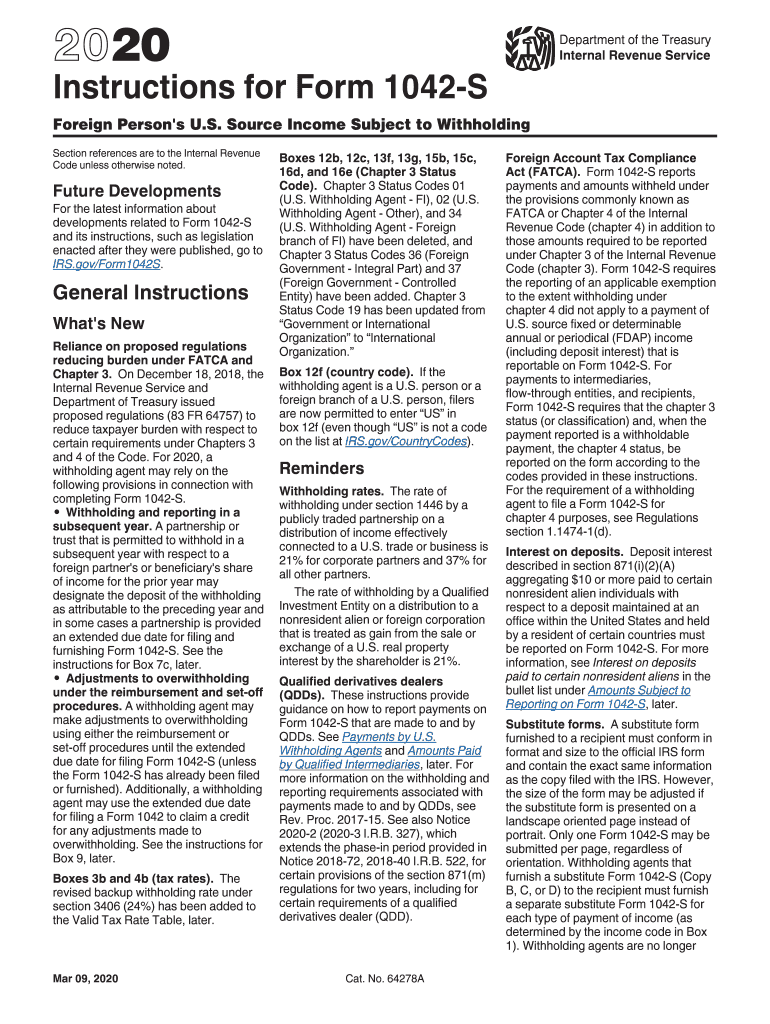
IRS Form 1042-S is a crucial document used to report income sourced from the United States paid to foreign persons, which is subject to withholding tax. This form includes information about various types of income, such as interest, dividends, royalties, pensions, and other similar categories. Its primary purpose is to ensure that the appropriate amount of tax is withheld from payments to foreign individuals who earn income from U.S. sources. Understanding the specifics of the form helps both the payer and recipient comply with U.S. tax obligations and avoid potential penalties.
Income Types Reported
- Interest and Dividends: Payments from securities or other investments.
- Royalties: Income from patents, copyrights, or other intellectual properties.
- Pensions and Annuities: Retiree income payments.
- Scholarship and Fellowship Grants: Educational grants subjected to withholding.
Withholding Requirements
The form has different codes and amounts based on the type of income paid and the withholding rate applicable. Payers must be meticulous in accurately completing this information to ensure compliance with the IRS regulations.
How to Use the IRS Form 1042-S
To use IRS Form 1042-S effectively, both the payer and the recipient should understand the specific information required by the form and the context in which it is used. Completing the form correctly involves ensuring that all necessary data fields, such as the recipient's name and TIN (Taxpayer Identification Number), are appropriately filled out.
Steps for Effective Form Completion
- Gather Recipient Information: Collect the name, address, and TIN of the foreign person receiving the income.
- Determine Income Type: Identify the type of income payment, referencing relevant codes.
- Calculate Withholding Amount: Based on treaty benefits or statutory rates, compute the appropriate withholding tax.
- File the Form: Submit the form to both the IRS and the income recipient, ensuring copies are retained for internal records.
Common Filing Errors
Avoiding errors is critical in form submission. Common issues include incorrect TINs, wrong income codes, and failing to provide a foreign address, all of which can result in processing delays or penalties.
Important Terms Related to IRS Form 1042-S
Grasping the specific terminology related to Form 1042-S helps in navigating its requirements and compliance. Key terms often encountered include:
- Beneficial Owner: The actual owner of the income, regardless of who receives the payment.
- U.S. Source Income: Any income generated within the United States, subject to U.S. tax law.
- Withholding Agent: The entity responsible for withholding and reporting U.S. tax from payments to foreigners.
Understanding Withholding Tax
Withholding tax on U.S.-sourced income ensures that taxes are collected prior to the non-resident receiving the net income. This preemptive collection aligns with U.S. efforts to secure tax compliance from foreign individuals.
Steps to Complete the IRS Form 1042-S
Accurate completion of IRS Form 1042-S requires attention to detail and an understanding of specific filing requirements. Follow the steps outlined below to thoroughly complete the form:
- Identify Required Information: Determine the relevant details about the recipient, including tax identification and income data.
- Select Income Codes: Choose the correct code that corresponds to the type of income being reported.
- Calculate and Enter Tax Withheld: Using the appropriate withholding rate, calculate and input the tax amount withheld.
- Confirm Beneficiary's Eligibility for Treaty Benefits: Verify whether the recipient is eligible for reduced rates under any tax treaties.
- Review for Accuracy: Double-check all entries for consistency and correctness before submission.
Common Challenges
Mistakes often stem from failing to understand the specific codes and requirements, resulting in incorrect reporting and potential penalties. Adequate preparation mitigates these risks.
Legal Use of the IRS Form 1042-S
The legal framework surrounding IRS Form 1042-S ensures that foreign individuals are responsibly contributing to the U.S. tax system when earning income from U.S. sources. This document also serves as a record for both the IRS and the taxpayer, detailing income received and taxes withheld.
Compliance and Penalties
Ensuring compliant use of Form 1042-S involves adhering to the IRS's requirement for thorough and punctual reporting. Non-compliance, such as late or incorrect submission, can result in significant financial penalties and legal repercussions.
IRS Guidelines
The IRS provides detailed instructions for correctly completing and submitting Form 1042-S. These guidelines offer clarity on income types, withholding rates, and specific reporting requirements. Payers are advised to regularly review IRS updates to remain compliant with evolving tax regulations.
Accessing Official Instructions
- Online Resources: The IRS website offers downloadable PDFs of instructions and FAQs.
- Consulting Tax Professionals: For complex situations, consulting with tax advisors ensures accurate completion.
Filing Deadlines and Important Dates
Adhering to official deadlines is essential for avoiding penalties associated with late submission of Form 1042-S. Key dates include:
- March 15: Deadline for filing the form with the IRS and providing copies to recipients.
- Extension Requests: Filers may seek extensions if additional time is needed, but such requests should be made promptly to ensure approval.
Penalties for Late Filing
Failing to meet the filing deadline can result in penalties, including fines per incorrect return filed. Timely compliance avoids such punitive measures.
Required Documents
When completing IRS Form 1042-S, various documents are necessary to substantiate claims and entries on the form. These include:
- Copy of Payment Records: Documentation of payments made to the recipient.
- Recipient's Tax Identification Details: Accurate TINs for verification.
- Previous Tax Filings: If available, for reference.
Verification Procedures
Verification of payment details and recipient eligibility is crucial. Implementing thorough checks before submission helps in maintaining report accuracy and avoiding discrepancies.
Eligibility Criteria
Determining who needs to file IRS Form 1042-S involves understanding eligibility standards. Typically, any U.S. entity that makes source-based income payments to foreign persons must file this form.

Common Eligible Payers
- Corporations and Partnerships: Domestic businesses remitting payments to foreign entities.
- Educational Institutions: Universities offering scholarships or grants to foreign students.
Exceptions and Special Cases
Certain payments might be exempt under specific tax treaties. Awareness of any applicable treaties is crucial in identifying eligible payments and applicable deductions.
Penalties for Non-Compliance
Non-compliance with the IRS Form 1042-S reporting requirements can lead to severe consequences. Failure to file timely, providing inaccurate information, or misreporting withholding amounts exposes the filer to penalties.
Financial Repercussions
Penalties can include monetary fines per return not filed correctly. Consistent errors may result in more significant reviews or audits by the IRS.
Steps to Mitigate Penalties
- Regular Audit Checks: Conduct internal audits to verify compliance.
- Training and Resources: Educate involved parties about correct procedures and requirements.