



01. Edit your functional capacity evaluation online
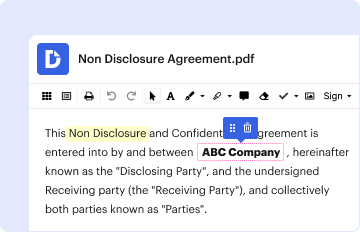
Type text, add images, blackout confidential details, add comments, highlights and more.

Type text, add images, blackout confidential details, add comments, highlights and more.
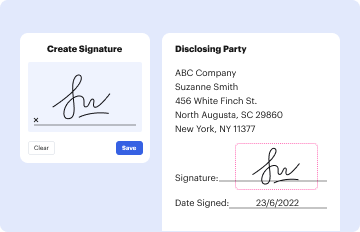
Draw your signature, type it, upload its image, or use your mobile device as a signature pad.

Send functional capacity evaluation form via email, link, or fax. You can also download it, export it or print it out.
Functional capacity evaluations (FCEs) are essential assessments used to determine an individual's ability to perform specific physical tasks and their overall functional capabilities in relation to work. These evaluations provide critical information for healthcare providers, employers, and insurance companies, particularly in the context of occupational health and rehabilitation.
FCEs are designed to assess various physical abilities, which may include but are not limited to:
The results of these evaluations are often used in decision-making processes regarding employment suitability, rehabilitation, and the potential for returning to work after injury or illness.
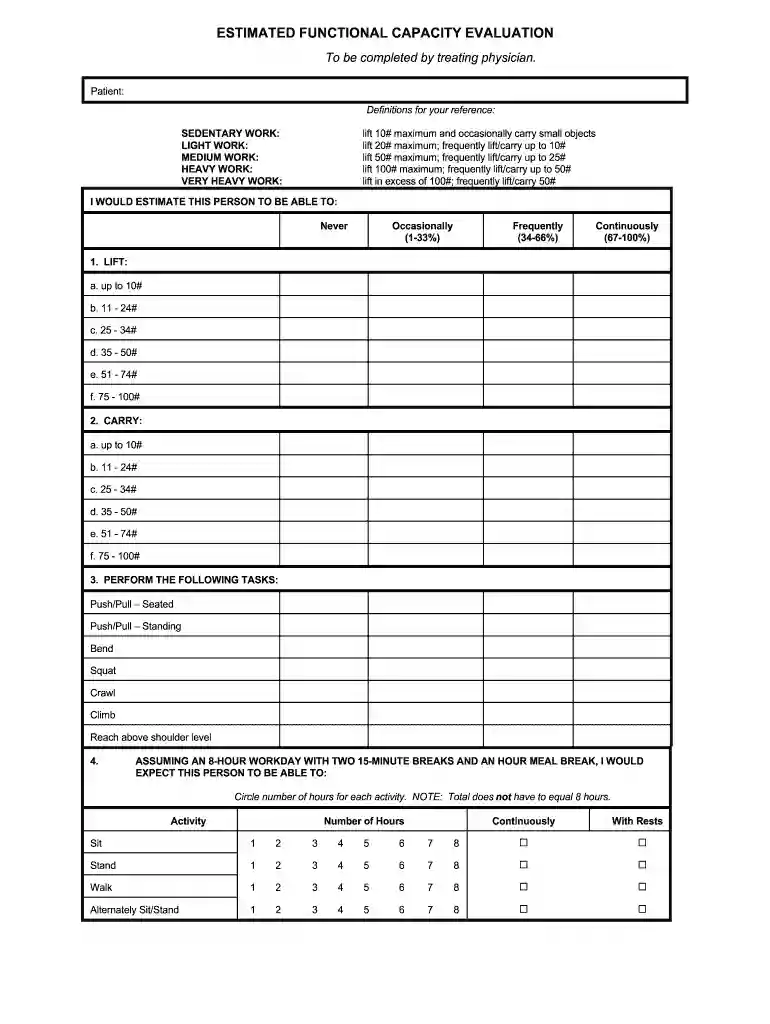
An FCE form typically includes several sections aimed at capturing the essential data needed to perform the evaluation. These components may feature:
Understanding these components helps providers objectively analyze a patient's functionality and create a tailored rehabilitation plan.
The scoring of an FCE is a critical aspect that informs stakeholders about a patient's physical abilities and limitations. Here, we discuss how the scoring process works and what it means for patients and healthcare providers.
FCEs typically utilize a standard scoring system, which may involve:
Evaluators interpret the scores to develop comprehensive reports that can include:
These interpretations are vital in guiding rehabilitation strategies and assisting employers in making informed decisions regarding employee capabilities.
Designing an FCE form template that is both comprehensive and user-friendly is crucial for accurate assessments. Below are key elements to consider when creating an effective FCE form.
A well-structured FCE form should include:
To enhance usability, consider offering customizable templates that users can adapt to specific needs. Features might include:
These features ensure that the FCE form meets the diverse needs of various users, including medical professionals and organizational administrators.
Carrying out functional capacity evaluations also involves navigational legal frameworks that protect both patients and evaluators. Understanding these legalities is essential to conducting FCEs ethically and effectively.
Evaluators must ensure that their practice complies with federal and state regulations, such as:
Proper documentation during the FCE process helps mitigate legal risks and is crucial for establishing an official record of evaluations. Important practices include:
By adhering to these legal considerations, healthcare professionals can conduct functional capacity evaluations confidently while honoring the rights and privacy of assessed individuals.
Functional capacity evaluations are applied in various scenarios, demonstrating their versatility and importance in occupational health. Here, we explore some common use cases.
In cases of workplace injuries, FCEs provide essential evaluations that inform whether an injured worker can return to their previous job or if they require retraining for alternative employment.
Many employers utilize FCEs to assess potential hires, ensuring that candidates possess the physical capabilities needed for specific roles. This proactive approach minimizes the risk of workplace injuries and enhances overall employee safety.
Rehabilitation facilities often employ FCEs to tailor individual recovery programs based on specific functional needs. The evaluation results guide therapists in designing targeted interventions that help patients regain optimal functional capacity.
Functional capacity evaluations are crucial tools in assessing an individual's physical abilities, providing insights for rehabilitation, and ensuring workplace safety and compliance. By understanding their components, scoring methodologies, legal considerations, and real-world applications, stakeholders can better utilize FCEs to support individuals on their paths to recovery and optimal performance.
At DocHub, your data security is our priority. We follow HIPAA, SOC2, GDPR, and other standards, so you can work on your documents with confidence.
An FCE must be completed by a physical or occupational therapist holding a valid license in New York State, or other current licensed provider qualified by
Functional capacity measures have been recommended by the US FDA as co-primary outcome measures in clinical trials aimed at cognitive enhancement in
The Functional Capacity Evaluation measures your strength, flexibility, endurance, pain, effort and function, as well as your ability to perform a series of


