




Understanding the OREA Form 161: Key Insights
The OREA Form 161, also known as the Registrant's Disclosure of Interest, is a crucial document in real estate transactions in Ontario. It serves to inform all parties involved about any ownership interests the registrant may have in the property being sold or leased. This transparency is essential for maintaining ethical practices within the real estate industry.
Purpose of OREA Form 161
The primary purpose of the OREA Form 161 is to ensure that buyers or clients are fully aware of any potential conflicts of interest that may arise from the registrant’s relationship with the property. This includes whether the registrant is an owner, part-owner, or has any vested interest that could affect negotiations.
- Transparency: The form promotes honesty and forthrightness in real estate transactions.
- Ethical Compliance: It aligns with guidelines set forth by the Real Estate and Business Brokers Act, reinforcing ethical standards among real estate professionals.
Components of the OREA Form 161
Understanding the specific sections of the form is essential for proper completion. Here are the key components typically included:
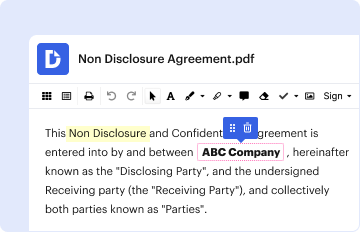
- Registrant Information: Includes the name, contact information, and license number of the registrant.
- Property Details: Description of the property, including its address and other identifying characteristics.
- Disclosure of Interest: A clear declaration outlining the nature of the registrant's interest in the property, including any relevant relationships to potential buyers or sellers.
These elements are designed to ensure that all relevant information is disclosed upfront, mitigating the risk of later disputes.
Completing the OREA Form 161
To accurately complete the OREA Form 161, registrants should follow these steps:
- Gather Information: Collect all necessary details about the property and your relationship to it.
- Fill Out the Form: Enter your personal information and clearly describe your interest in the property.
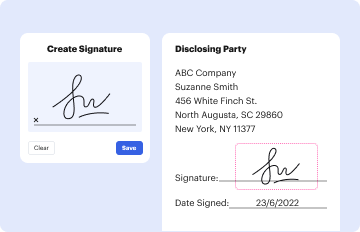
- Sign and Date: Ensure you sign and date the form to validate your disclosures.
- Provide the Form to Interested Parties: This could include sending it to potential buyers or including it in transaction documentation.
Accuracy is crucial; any omission can lead to complications or penalties.
Importance of Compliance
Failure to file or inaccurately completing the OREA Form 161 can result in significant penalties. Compliance with the form’s requirements protects both the registrant and consumers from potential legal issues associated with undisclosed interests.
- Legal Implications: Non-compliance can lead to disciplinary actions from regulatory bodies, including fines or loss of license.
- Consumer Trust: Transparency fosters trust and can enhance the registrant's reputation within the community.
Contextual Use Cases for OREA Form 161
The OREA Form 161 is particularly important in several scenarios, including:
- Sales Transactions: When a real estate agent lists a property they own, the form must be filed to disclose this ownership to prospective buyers.
- Leasing Agreements: If a registrant has any interest in a rental property, they must disclose this information to potential tenants.
- Family Transactions: In cases where registrants deal with properties owned by family members, the form should be used to disclose these relationships to maintain transparency.
Related Documentation
In addition to the OREA Form 161, registrants should be familiar with related forms, such as:
- OREA Form 160: This form is often used in conjunction with form 161 to disclose additional details pertaining to the property.
- OREA Form 410: This form pertains to specific disclosures required in different types of real estate transactions.
Having a comprehensive understanding of these related documents can further facilitate compliance and ensure thoroughness in the transaction process.
Best Practices for Using OREA Form 161
To maximize the effectiveness of the OREA Form 161, registrants should consider adopting these best practices:
- Regular Review: Periodically review the form and its requirements to stay updated on any changes in regulations.
- Seek Training: Attend workshops or training sessions focused on ethical disclosures in real estate to enhance understanding and compliance.
- Consult Legal Advisors: When in doubt about how to disclose specific interests, consult with a legal professional to ensure compliance and best practices are followed.
These measures help registrants navigate the complexities of real estate transactions while upholding ethical standards.