



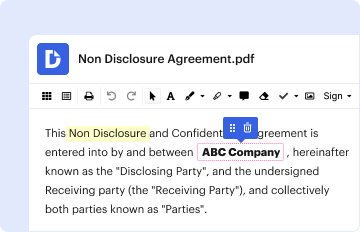
01. Edit your form online
Type text, add images, blackout confidential details, add comments, highlights and more.

Type text, add images, blackout confidential details, add comments, highlights and more.
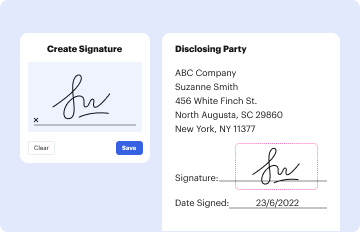
Draw your signature, type it, upload its image, or use your mobile device as a signature pad.

Send it via email, link, or fax. You can also download it, export it or print it out.
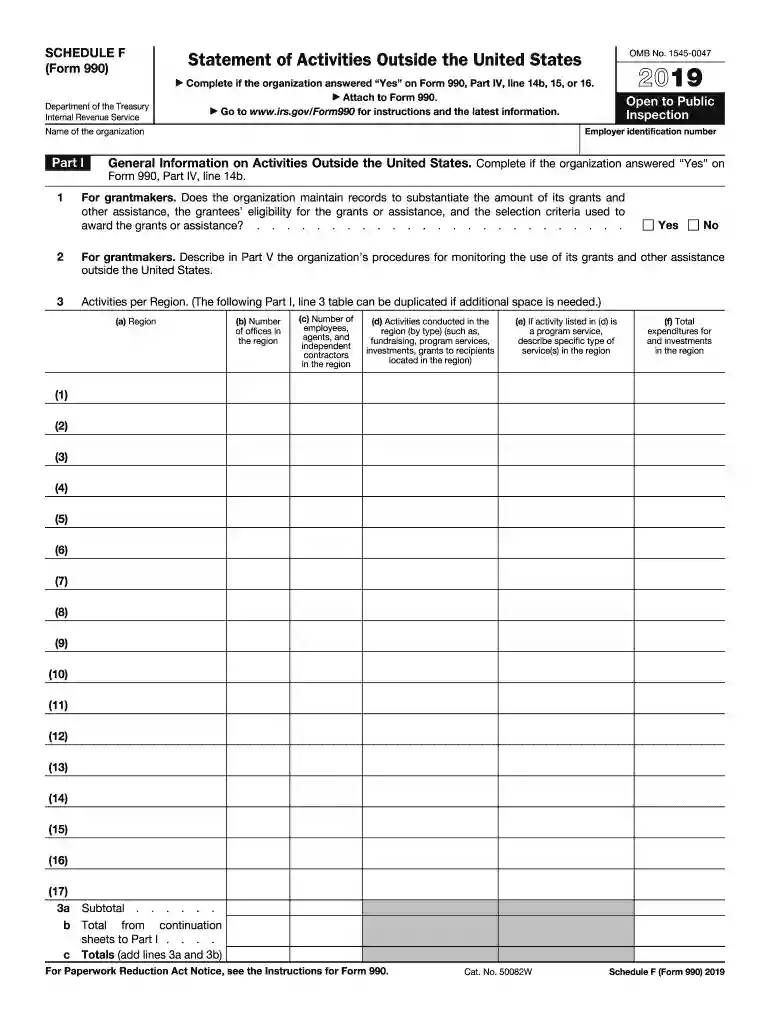
Schedule F (Form 990) is an integral document mandated by the IRS for organizations that engage in international activities. Its main purpose is to capture detailed information concerning these foreign activities, ensuring transparency and compliance. Non-profit organizations use this form to report on their operations outside the United States, including detailing grants, assistance offered to foreign entities, and any financial interests held abroad. This information is crucial for maintaining accountability in international operations.
Schedule F provides a standardized method for organizations to disclose their global engagements. By reporting this information, the IRS assesses whether the organization complies with tax-exempt status requirements. It also prevents misunderstandings about the nature of international funds and their allocation.
Organizations must carefully detail their foreign operations and interests. This includes accurately reporting grants provided to foreign bodies and listing countries where they operate. The form ensures the organization’s foreign activities align with U.S. financial regulations and transparency standards.
Understanding the effective use of Schedule F requires familiarity with its structure and requirements. The form comprises several parts, each focusing on different aspects of international activity.
Part I - General Information: This section requires basic details about the organization’s international operations, including the geographical scope and total expenses related to each country.
Part II - Grants and Other Assistance to Organizations or Entities Outside the United States: Organizations must enumerate foreign grants, detailing recipient organizations, legal control mechanisms, and monetary figures.
Part III - Activities Conducted Outside the United States: This part requires a breakdown of specific activities, such as fundraising events or training programs carried out overseas.
Filling out Schedule F correctly is crucial for compliance. Here's a step-by-step guide:
Collect Information: Gather all relevant data related to foreign transactions, including financial statements and records of foreign engagements.
Complete Part I: Begin by detailing the organization's operations in each country, ensuring that the information is current and comprehensive.
Detail Grants in Part II: Record each foreign grant, providing recipient information and specific amounts. Verify these entries against financial records for accuracy.
Describe Activities in Part III: Document all international activities, categorizing them appropriately according to the form’s requirements.
Review and Verify Entries: Before submission, cross-check all entries for accuracy and completeness.
Schedule F is primarily utilized by tax-exempt organizations involved in international efforts.
Using Schedule F enables these organizations to streamline reporting of their foreign endeavors, ensuring they meet all regulatory expectations while maintaining their tax-exempt status.
The IRS provides specific instructions for completing Schedule F, which must be adhered to ensure compliance.
The IRS website offers guidelines and examples, aiding organizations in understanding reporting obligations for international operations.
Understanding terminology specific to Schedule F enhances the accuracy of reporting.
Foreign Financial Account: Any financial account located outside the United States that the organization controls.
Grant Reporting: The method of documenting financial support extended to foreign entities.
Familiarizing oneself with these terms helps ensure that all entries on the form are precise and fully compliant with IRS stipulations.
Adhering to IRS deadlines for Schedule F submission is crucial.
Non-compliance with Schedule F requirements can lead to significant penalties.
Monetary Penalties: Fines may be levied for errors or late submissions.
Status Revocation: Severe or repeated non-compliance could risk the loss of tax-exempt status.
Understanding these implications underscores the importance of accurate and timely Schedule F submission.
We've got more versions of the schedule f form. Select the right schedule f version from the list and start editing it straight away!
| Versions | Form popularity | Fillable & printable |
|---|---|---|
| 2024 | 4.8 Satisfied (44 Votes) | |
| 2023 | 4.3 Satisfied (37 Votes) | |
| 2022 | 4.4 Satisfied (22 Votes) | |
| 2021 | 4.8 Satisfied (58 Votes) | |
| 2020 | 4.4 Satisfied (158 Votes) | |
| 2019 | 4.3 Satisfied (37 Votes) | |
| 2018 | 4.4 Satisfied (122 Votes) | |
| 2017 | 4.2 Satisfied (83 Votes) | |
| 2016 | 4.3 Satisfied (56 Votes) | |
| 2015 | 4.2 Satisfied (68 Votes) | |
| 2014 | 4.3 Satisfied (64 Votes) | |
| 2013 | 4.1 Satisfied (35 Votes) | |
| 2012 | 4.2 Satisfied (56 Votes) | |
| 2011 | 4.1 Satisfied (37 Votes) | |
| 2010 | 4 Satisfied (31 Votes) |
At DocHub, your data security is our priority. We follow HIPAA, SOC2, GDPR, and other standards, so you can work on your documents with confidence.
Apr 15, 1976 income on the form or schedule on which you originally took the deduction (for example, Schedule C or F (Form 1040),. Form 1040, Form 1120Read more
Use Schedule F (Form 1040) to report farm income and expenses. Current revision. Schedule F (Form 1040) PDF Instructions for Schedule F (Form 1040)Read more


