




Here's how it works
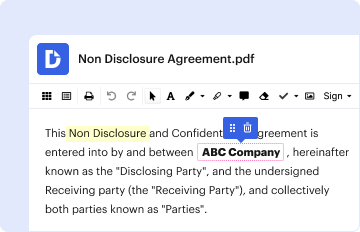
01. Edit your nurse practitioner contract online
Type text, add images, blackout confidential details, add comments, highlights and more.
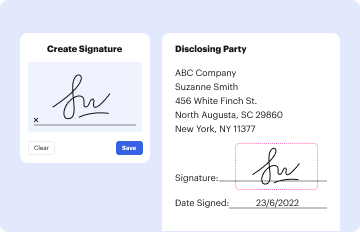
02. Sign it in a few clicks
Draw your signature, type it, upload its image, or use your mobile device as a signature pad.
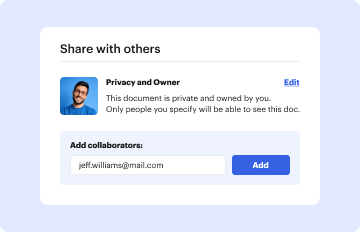
03. Share your form with others
Send nurse practitioner employment contract pdf via email, link, or fax. You can also download it, export it or print it out.
How to use or fill out nurse practitioner employment contract example with our platform

- Click ‘Get Form’ to open the nurse practitioner employment contract example in the editor.
- Begin by filling in the date at the top of the document. This is crucial as it marks the official start of your agreement.
- In the 'Employer' section, enter the name of the employer and their address. Ensure accuracy for legal purposes.
- Next, provide your name and address in the 'Nurse Practitioner' section. This identifies you as a party to the contract.
- Proceed to fill out the 'Term and Termination' section, specifying the start date and any conditions for termination.
- In 'Compensation', clearly state your payment rate (monthly/hourly) and any additional compensation agreements.
- Complete sections on employee benefits, including vacation time, sick leave, and health insurance options.
- Review all sections carefully for completeness and accuracy before saving or sharing your completed document.
Start using our platform today to streamline your contract editing process for free!
Fill out nurse practitioner employment contract example online
It's free
It's free
See more nurse practitioner employment contract example versions
We've got more versions of the nurse practitioner employment contract example form. Select the right nurse practitioner employment contract example version from the list and start editing it straight away!
| Versions | Form popularity | Fillable & printable |
|---|---|---|
| 2013 | 4.3 Satisfied (32 Votes) |
Got questions?
We have answers to the most popular questions from our customers. If you can't find an answer to your question, please contact us.
Contact us
What is the difference between an employment agreement and an employment contract?
All employment contracts are a type of employment agreement, but not all employment agreements result in formal employment contracts. Employment or employee contracts are typically formal, legally binding written documents that specify the terms and conditions of an employment relationship.
How to write a simple work contract?
When creating an Employment Contract, you can include the following terms: The type and rate of compensation. The frequency of payment. Vacation time. Specified work hours. Specified work location. Employee responsibilities. Length of a probationary period. Confidentiality, non-solicitation, or non-competition clauses.
How do you write a contract for beginners?
Dos Start with a clear outline. Before getting to the details, make a structured outline that captures the key elements of a valid contract. Use easy-to-understand and consistent terminology. Set realistic terms and expectations. Keep the format simple. Consider future scenarios. Try a reputable contract template.
What is an example of a simple contract?
The following are some real-world examples: One person agreeing to drive while another agrees to pay for gas. One business agreeing to pay another business a certain amount of money in exchange for each referral they receive from them.
How do you write a short-term contract?
Every effective short term contract should clearly outline several essential elements: Terms of termination: Conditions under which either party may end the agreement early. Duration: The precise start and end dates of the employment period. Responsibilities: Detailed description of expected duties and deliverables.
Security and compliance
At DocHub, your data security is our priority. We follow HIPAA, SOC2, GDPR, and other standards, so you can work on your documents with confidence.
Learn more


Related forms

Fire extinguisher test
The document provides comprehensive information on the licensing and registration process for fire extinguisher services ...

South carolina building permit
The document is a Residential Building Permit Application for Darlington County, South Carolina. It collects essential i ...

Armi hoa
The document is an Architectural Approval Form for the Highlands of Warrenton Community Association, intended for homeow ...
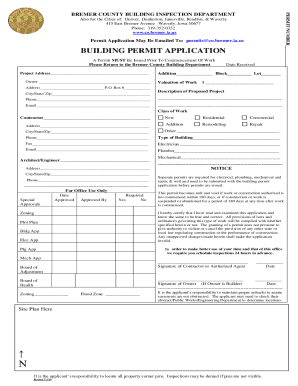
Waverly civicweb document21107BREMER COUNTY BUILDING INSPECTION DEPARTMENT
The document is a building permit application form from the Bremer County Building Inspection Department, which outlines ...
OVER-HEIGHT FENCE RETAINING WALL CERTIFICATION APPLICATION
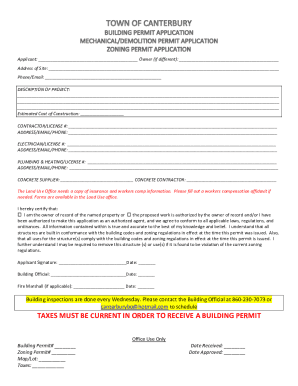
The document is a building permit application form for the Town of Canterbury, requiring details about the applicant, pr ...

Town of Scarborough : PB Application Form
The document outlines the residential building permit application process for the Town of Scarborough, Maine. It include ...
Ayso medical release form
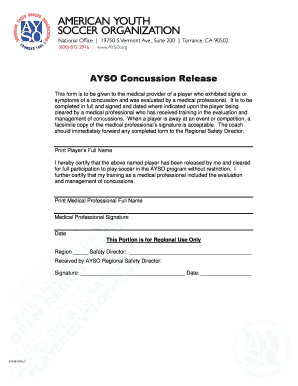
The AYSO Concussion Release form is a document required for players who have shown signs of a concussion and have been e ...
Facility Usage Guidelines & Room application 20180308
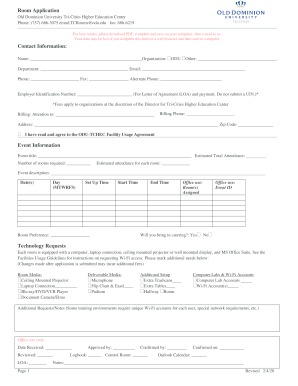
The document is a room application form for the Old Dominion University Tri-Cities Higher Education Center, detailing th ...
People also ask
How to negotiate a contract for nurse practitioner employment?
Here are some proven strategies to negotiate a higher salary during a nurse practitioner contract review. Be prepared. Come to the negotiation having done your homework. Know your worth. Consider the benefits package. Negotiate with confidence. Dont rush.
What is the unemployment rate for nurse practitioners?
U.S. News reports that NPs have an unemployment rate of 0.6%, which should encourage those entering the job market.